Did Africa Fight In Ww1

BSC Insights Admin
October 01, 2026
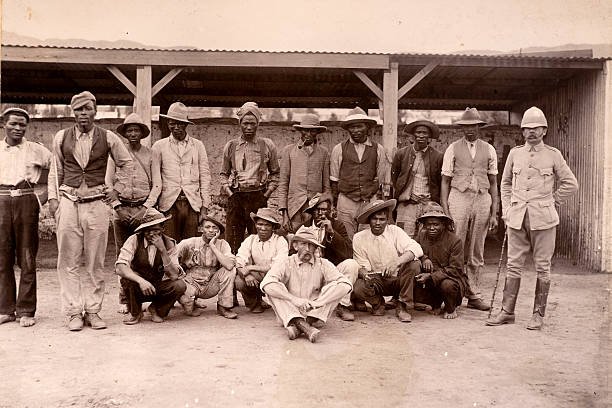
Yes, Africa unequivocally fought in World War I, playing a far more significant and complex role than often acknowledged in mainstream historical narratives. From fierce campaigns fought on African soil to millions of African soldiers and laborers deployed across global fronts, the continent was deeply embroiled in the conflict. Its human and material resources were instrumental to the Allied war effort, making Africa's involvement in World War I a critical, though often overlooked, aspect of the Great War.
The Scramble for Africa Meets the Great War
By 1914, most of Africa had been carved up by European colonial powers, including Britain, France, Germany, Belgium, Portugal, Italy, and Spain. When war erupted in Europe, it quickly extended to these African colonies, transforming the continent into a crucial theater of conflict and a vital source of manpower and resources. The war in Africa was not just a side-show; it was an integral part of the global struggle, driven by the colonial rivalries that intensified with the outbreak of hostilities.
Colonial Ambitions and Strategic Importance
The European powers saw their African possessions as strategic assets. For the Allies, seizing German colonies in Africa served multiple purposes: eliminating German naval bases, securing vital raw materials, and diverting German resources from the European Western Front. For Germany, defending its colonies, particularly German East Africa, became a matter of prestige and a means to tie up Allied forces.
- Elimination of German Power: The primary goal for Britain and France was to eliminate Germany's colonial presence, including Togo, Cameroon, German Southwest Africa, and German East Africa.
- Resource Control: Africa was rich in raw materials such as rubber, minerals, and agricultural products, all essential for the war economy.
- Manpower: Colonial subjects were conscripted or recruited to serve as soldiers, carriers, and laborers, providing invaluable human resources for the war effort both within Africa and overseas.
African Soldiers on the Front Lines: A Global Contribution
Millions of Africans served during World War I, fighting in diverse capacities and across numerous battlefields. Their contributions were often heroic but came at immense cost, both to individuals and their communities.
The East African Campaign
Perhaps the most extensive and protracted campaign on African soil was fought in German East Africa (modern-day Tanzania, Rwanda, and Burundi). Under the command of General Paul von Lettow-Vorbeck, a small German force, heavily reliant on African soldiers known as Askaris, successfully evaded Allied capture for the entire duration of the war. This guerrilla campaign tied up a disproportionately large number of British, South African, Indian, Belgian, and Portuguese colonial troops.
- Duration: From 1914 to 1918, the campaign was marked by difficult terrain, disease, and brutal fighting conditions.
- Participants: Forces included British King's African Rifles, Belgian Force Publique, Portuguese colonial troops, Indian Expeditionary Forces, and South African units, all comprising a significant number of African soldiers.
- Impact: The campaign resulted in massive casualties, primarily from disease, among both combatants and the hundreds of thousands of African porters who supported logistical operations.
West and Southwest African Campaigns
Other German colonies fell more swiftly:
- Togoland: Conquered by Anglo-French forces within weeks of the war's outbreak in August 1914.
- Kamerun (Cameroon): After more prolonged fighting, Allied forces, including French, British, and Belgian colonial troops (many of whom were African), secured the territory by early 1916.
- German Southwest Africa: Invaded by South African Union Defence Force troops (including black South African soldiers and laborers) and surrendered in July 1915.
African Troops on European and Middle Eastern Fronts
Beyond Africa, African soldiers played crucial roles in Europe and the Middle East:
- French West Africa: France notably recruited hundreds of thousands of soldiers, particularly the renowned Senegalese Tirailleurs, from its West African colonies. These troops fought with distinction and immense bravery on the Western Front, at Verdun, the Somme, and other critical battles. Their presence was vital, helping to fill the ranks of the French army decimated by early war losses.
- British African Colonies: Britain also raised significant numbers of troops from its colonies, such as the King's African Rifles (KAR) from East Africa and regiments from West Africa, although fewer were deployed to Europe compared to French colonial troops. Many served in the Middle Eastern campaigns against the Ottoman Empire.
- South Africa: While a dominion, South Africa contributed extensively, including white, black, and 'coloured' soldiers, though often in segregated units or as labor battalions.
| Colonial Power | Primary African Origin | Estimated Soldiers | Deployment |
|---|---|---|---|
| France | French West & North Africa | ~450,000 | Western Front, North Africa |
| Britain | East & West Africa, South Africa | ~150,000 | East Africa, Middle East, Europe (limited) |
| Germany | German East Africa | ~12,000 | East Africa |
| Belgium | Belgian Congo | ~17,000 | East Africa |
| Portugal | Portuguese Africa | ~30,000 | East Africa |
Note: These figures often exclude the vast number of non-combatant porters and laborers, which far exceeded combatant numbers.
The Unsung Heroes: African Laborers and Porters
Beyond the soldiers, millions of Africans served as laborers and porters, forming the backbone of logistics for all belligerent forces. In the East African campaign alone, hundreds of thousands, possibly over a million, Africans were conscripted or coerced into carrying supplies, building roads, and performing other arduous tasks under extremely harsh conditions.
- Logistical Support: Without motorized transport, human porters were indispensable for moving food, water, ammunition, and other war materials through difficult terrain.
- High Casualties: Due to disease (malaria, dysentery, sleeping sickness), exhaustion, and lack of adequate medical care, mortality rates among porters were astronomically high, often far exceeding those of combatants.
- Hidden Costs: The disruption to African agricultural cycles caused by the removal of so many able-bodied men led to widespread famine and suffering in many communities.
Economic Impact and Resource Exploitation
Africa's economic resources were extensively exploited to fuel the war effort. Colonial powers intensified the extraction of raw materials, redirected agricultural production, and imposed heavy taxes to fund their military operations.
- Raw Materials: Mines in South Africa, Congo, and other regions ramped up production of copper, gold, diamonds, and other minerals vital for arms manufacturing.
- Agricultural Products: Foodstuffs, rubber, and timber were diverted from local consumption to support the armies and European economies.
- Forced Labor: In many areas, forced labor systems were intensified to meet wartime production quotas, leading to immense suffering and resentment among African populations.
African Resistance and Repercussions
Not all Africans willingly participated in the war. There were numerous instances of African resistance to colonial rule and conscription, sometimes erupting into full-scale rebellions. The war exposed the brutality of colonial systems and fueled nascent nationalist sentiments.
- Rebellions: Major uprisings occurred in areas like Nigeria, Libya, and Madagascar, often brutally suppressed by colonial authorities.
- Post-War Disillusionment: Many Africans who fought for the Allied cause returned home expecting greater recognition, rights, or even independence. Instead, they often faced continued discrimination and intensified colonial control, leading to widespread disillusionment.
- Seeds of Nationalism: The war ironically strengthened pan-African and nationalist movements. Africans had seen Europeans fight each other, undermining the myth of European invincibility and unity. Exposure to different cultures and ideas abroad also broadened perspectives.
The Legacy of Africa's Involvement in World War I
The Great War had profound and lasting consequences for Africa, shaping its political landscape, social structures, and economic development for decades to come.
- Territorial Changes: German colonies were redistributed among the victorious Allied powers as League of Nations mandates, solidifying British and French dominance.
- Human Cost: The death toll among African soldiers and laborers, though difficult to quantify precisely, was staggering, often attributed more to disease and harsh conditions than direct combat.
- Economic Disruption: Wartime demands severely impacted local economies, leading to food shortages, inflation, and exploitation.
- Political Awakening: Despite the immediate tightening of colonial grip, the war sowed seeds of political awareness and resistance that would eventually blossom into decolonization movements after World War II.
- Forgotten History: For many years, the extent of Africa's contribution remained largely absent from global historical narratives, a testament to the selective memory of colonial history.
Conclusion
In conclusion, the question, 'Did Africa fight in WWI?' can be definitively answered with a resounding yes. Africa was not merely a passive backdrop to the European conflict but an active and vital theater of war. Millions of Africans served as soldiers, porters, and laborers, providing critical human and material resources that significantly influenced the war's outcome. From the fierce campaigns in East Africa to the trenches of the Western Front, African contributions were immense, though often overlooked. Understanding Africa's crucial role in World War I is essential for a complete and accurate picture of global history, recognizing the profound sacrifices and enduring legacies that shaped the continent and the world.
Enjoyed this read?
Share it with your friends and colleagues.