Does Africa Have A Flag

BSC Insights Admin
October 07, 2026
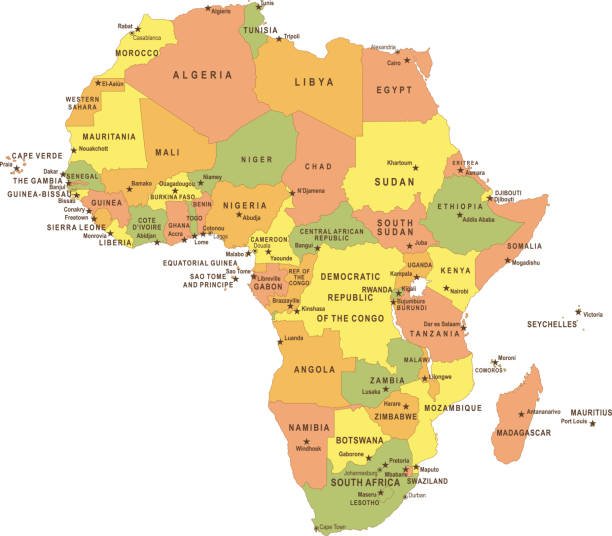
While Africa is a continent comprising 54 sovereign countries, each with its own national flag, it does not possess a single 'national' flag representing the entire continent in the same way a country does. Instead, Africa has a widely recognized continental flag: the African Union (AU) flag. This flag serves as a powerful symbol of unity, solidarity, and the shared aspirations of the continent's diverse nations, rather than a singular national emblem.
Understanding the distinction between a continental flag and a national flag is crucial when addressing the question, "Does Africa have a flag?" The African Union flag represents an intergovernmental organization that promotes cooperation and integration among its member states, much like the flag of the European Union for Europe. It embodies the collective spirit of Pan-Africanism and the vision for a peaceful, prosperous, and united Africa.
The African Union Flag: A Symbol of Continental Unity
The African Union flag is the most prominent and official symbol of continental solidarity. Adopted in 2010, it replaced the previous flag of the Organization of African Unity (OAU), signifying a new era for the continent. This modern flag is rich in symbolism, with each element carefully chosen to reflect the aspirations and identity of Africa.
The design of the current AU flag features a large green field, symbolizing Africa's hope and aspirations for the future, as well as its rich natural wealth. At the center of the flag is a gold-colored silhouette of the continent of Africa, devoid of internal borders, representing unity and the continent without divisions. This map is surrounded by 55 gold stars, each representing an AU member state, emphasizing equality and their collective commitment to the Union's goals. A thin white ring outlines the map, symbolizing peace across the continent.
The current African Union flag's design was the result of a continent-wide competition initiated by the African Union Commission. Out of many submissions, the design by Theodorus Teofilak from Ethiopia was ultimately selected, refined, and officially adopted during the 14th Ordinary Session of the Assembly of Heads of State and Government in Addis Ababa, Ethiopia, in January 2010.
Evolution of the African Union Flag
Before the adoption of the current flag, the Organization of African Unity (OAU), the AU's predecessor, had its own flag. The OAU flag, adopted in 1970, featured a horizontal green stripe at the top, followed by a narrow gold stripe, then a wide white stripe containing the OAU emblem, another narrow gold stripe, and finally a green stripe at the bottom. The green symbolized Africa's vegetation and agricultural wealth, gold represented its mineral wealth and bright future, and white stood for peace. The emblem itself featured a map of Africa encircled by 53 gold rings (for the then 53 member states) and a chain of seven interlocking red rings symbolizing African solidarity and the blood shed for liberation.
When the OAU transitioned into the African Union in 2002, there was a growing desire for a new symbol that would better reflect the renewed vision and dynamism of the Union. The process to select a new continental flag for Africa was thorough and inclusive, aiming to capture a unified modern African identity. This led to the design competition and the eventual adoption of the 2010 flag, marking a significant moment in the continent's history of symbolism.
Pan-African Colors and Their Significance
While the AU flag is the official symbol of the continental body, the concept of Pan-African colors holds a deeper, historical significance for African identity and liberation. These colors—red, green, and black, often with gold/yellow—are not exclusive to any single flag but are widely recognized and incorporated into many national flags across the continent and beyond, symbolizing a shared heritage and struggle.
The original Pan-African Flag, also known as the UNIA Flag or the Black Liberation Flag, was created in 1920 by the Universal Negro Improvement Association and African Communities League (UNIA-ACL) led by Marcus Garvey. Its colors carry specific meanings:
- Red: Represents the blood that unites all people of African ancestry, shed for liberation and redemption.
- Black: Symbolizes the black people themselves, whose existence as a nation is affirmed.
- Green: Represents the abundant natural wealth of Africa, its vibrant vegetation, and the promise of growth and hope for the future.
Over time, gold or yellow was often added to this palette, especially in national flags, to represent Africa's mineral wealth, the sun, prosperity, and a bright future. These colors have become emblematic of the Pan-African movement, which advocates for the political and economic unity of Africans worldwide.
Examples of Pan-African Colors in National Flags
Many African nations, upon achieving independence, deliberately chose to incorporate Pan-African colors into their national flags as a declaration of their solidarity with other African nations and their commitment to the ideals of self-determination and unity. This decision was a powerful statement against colonialism and for a shared African identity.
Consider these examples:
- Ethiopia: One of the oldest independent nations in Africa, Ethiopia's flag has long featured green, yellow (gold), and red stripes, often cited as the inspiration for other Pan-African flags. Its colors historically represented its land, church, and courage.
- Ghana: The first sub-Saharan African nation to gain independence from colonial rule, Ghana's flag prominently features red, gold, and green with a black star. The star symbolizes the lodestar of African freedom.
- Kenya: Its flag uses black, red, and green stripes, separated by white fimbriations, with a Maasai shield and two crossed spears in the center. Black for the people, red for the blood shed for freedom, and green for the land.
- Senegal: Its flag is composed of vertical stripes of green, yellow, and red, with a green star in the center of the yellow stripe, symbolizing unity and hope.
These flags, among many others, showcase the enduring legacy and widespread adoption of Pan-African symbolism. They serve as a constant reminder of the continent's journey, its struggles, and its aspirations for a unified future.
Why a Continent Needs a Symbol: The Purpose of the AU Flag
A continent, particularly one as diverse and historically rich as Africa, benefits immensely from a unifying symbol like the African Union flag. Its purpose extends beyond mere identification; it acts as a powerful tool for fostering a collective identity, promoting shared values, and signaling commitment to common goals.
Here are key reasons why the AU flag is essential:
- Symbol of Shared Identity: The flag provides a visual representation of Africa's aspiration to be seen as a cohesive entity on the global stage, despite its internal diversity. It helps articulate a common African identity.
- Promoting Unity and Solidarity: By depicting a united continent without borders and stars representing all member states, the flag actively promotes unity, peace, and solidarity among African nations. It reminds leaders and citizens alike of their shared destiny.
- Representation on the Global Stage: The AU flag enables the continent to speak with a collective voice in international forums, symbolizing its growing influence and resolve to address global challenges and advocate for African interests.
- Inspiration and Aspiration: The green field and gold continent inspire hope for a prosperous future and remind the people of Africa's vast potential and rich heritage. It serves as a beacon of what Africa can achieve through cooperation.
- Education and Awareness: The flag helps educate people, both within and outside Africa, about the existence and purpose of the African Union and its commitment to peace, security, and development across the continent.
The continental flag Africa boasts is not just a piece of fabric; it's a dynamic emblem that reflects the ongoing journey of African integration and development.
Distinguishing the AU Flag from National Flags
It is important to reiterate and understand the fundamental difference: the African Union flag is a continental symbol, whereas each of Africa's 54 countries has its own unique national flag. This distinction is crucial for understanding how Africa is represented symbolically.
A national flag is the sovereign emblem of an independent state. It represents the government, the people, the history, and the specific identity of that particular country. It is flown at national institutions, by citizens, and at international events to identify a nation. Examples include the vibrant South African flag, the distinctive Egyptian flag, or the bold Nigerian flag.
The AU flag, on the other hand, represents the collective body of member states that form the African Union. It signifies the aspirations of continental unity, cooperation, and shared vision among these independent nations. When you see the AU flag, it represents the collective endeavor of African states working together, not the singular identity of any one nation or the continent as a single nation-state.
Think of it this way: just as the United Nations has a flag representing its global organization, the African Union has a flag representing its regional organization. Neither represents a single country, but rather a collective of countries united by a common purpose. This clarifies the answer to "Does Africa have a flag?" – it has a flag for its union, not a national flag for the entire landmass as a country.
The Future of African Symbolism
The African Union flag and the enduring appeal of Pan-African colors are not static symbols; they are living representations of a dynamic continent. As Africa continues its journey of development, integration, and asserting its place on the global stage, its symbols will remain vitally important. These emblems serve as constant reminders of shared history, common challenges, and collective aspirations.
The discussions around Africa's continental symbolism are ongoing. The flag acts as a focal point for dialogue about unity, peace, and prosperity. It encourages discourse on how best to represent a continent so rich in cultural, linguistic, and historical diversity, while simultaneously fostering a sense of shared belonging.
As the AU expands its role in areas such as economic integration, peace and security, and climate action, the flag will continue to fly as a testament to these efforts. It is a symbol that inspires action, encourages collaboration, and projects an image of a continent striving for a brighter future for all its people. The flag's simple yet powerful design ensures its longevity as a beacon of African solidarity and progress.
Conclusion
In summary, the question "Does Africa have a flag?" is best answered by making a clear distinction: Africa, as a continent, does not have a single 'national' flag in the way individual countries do. However, it proudly flies the African Union (AU) flag, a powerful and widely recognized symbol of continental unity, solidarity, and the collective aspirations of its 55 member states. This flag, with its green field, golden map of Africa, and surrounding stars, encapsulates the continent's hope, wealth, and peaceful cooperation. Furthermore, the historical significance of Pan-African colors (red, green, black, and often gold/yellow) continues to resonate deeply, woven into the fabric of many national flags and representing a shared heritage and commitment to liberation and unity. Both the AU flag and the Pan-African colors serve as enduring symbols of a dynamic and hopeful continent, reinforcing the message of a united Africa on the global stage.
Enjoyed this read?
Share it with your friends and colleagues.