Is Africa Flooding

BSC Insights Admin
October 01, 2026
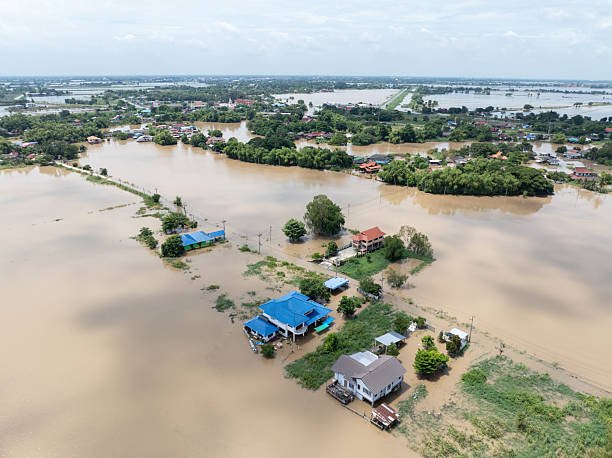
Is Africa Flooding? Understanding the Complex Reality Across the Continent
The question "Is Africa flooding?" doesn't have a simple yes or no answer, as Africa is a vast continent with diverse climates and geographical features. However, it is unequivocally true that significant and often devastating floods are increasingly impacting various regions across Africa, driven by a complex interplay of climate change, geographical vulnerabilities, and human-induced factors. While not every part of the continent is simultaneously submerged, localized extreme weather events are becoming more frequent and intense, leading to widespread humanitarian and economic crises.
Understanding flooding in Africa requires a nuanced perspective that acknowledges regional differences and the specific triggers behind these events. From the Horn of Africa to the southern tip, communities are grappling with the destructive power of excessive water, challenging existing infrastructure and traditional coping mechanisms.
The Nuanced Reality of Flooding Across African Regions
To truly grasp the scope of Africa flooding, it is crucial to look at the continent region by region. The patterns, causes, and impacts of floods vary significantly, painting a complex picture of a continent on the front lines of climate vulnerability.
East Africa: A Hotbed of Torrential Rains and Displacement
East Africa has recently experienced some of the most catastrophic African floods. Countries like Kenya, Somalia, Ethiopia, Tanzania, and Uganda have been hit by torrential rains, often exacerbated by phenomena like El Niño and warmer Indian Ocean waters. These extreme weather events have led to:
- Massive displacement of populations.
- Widespread destruction of homes and agricultural land.
- Significant loss of life and livestock.
- Outbreaks of waterborne diseases like cholera.
For instance, recent reports indicate millions affected, with thousands displaced in countries like Kenya and Somalia alone, underscoring the severe humanitarian crisis stemming from East Africa floods.
Southern Africa: Battling Cyclones and Seasonal Deluges
Southern Africa is particularly susceptible to tropical cyclones originating in the Indian Ocean, alongside heavy seasonal rains. Nations such as Mozambique, Malawi, Zimbabwe, and Madagascar frequently bear the brunt of these powerful storms, which bring:
- High-speed winds and torrential rainfall.
- Extensive riverine flooding.
- Damage to critical infrastructure like roads and bridges.
Cyclones Idai and Kenneth in 2019 are stark reminders of the devastating potential, causing widespread destruction and long-term recovery challenges for the affected nations in Southern Africa floods.
West Africa: Urban Flooding and River Basin Overflows
In West Africa, cities like Lagos in Nigeria, Accra in Ghana, and parts of Niger and Chad face chronic urban flooding, especially during the rainy season. This is often compounded by:
- Rapid, unplanned urbanization.
- Inadequate drainage systems.
- Proximity to major river basins like the Niger and Benue.
Beyond urban areas, heavy rainfall can lead to the overflow of major rivers, impacting agricultural communities and disrupting livelihoods across the region. The challenges of West Africa floods are often linked to both natural events and human development choices.
Key Drivers Behind Increased Flooding in Africa
The escalating trend of flooding in Africa is not random; it is driven by a combination of powerful forces, primarily climate change, but also exacerbated by various geographical and human-induced factors.
Climate Change: The Overarching Catalyst
Climate change Africa is undeniably the most significant factor contributing to increased flood events. The continent is experiencing:
- Increased Rainfall Intensity and Frequency: Warmer global temperatures lead to more moisture in the atmosphere, resulting in heavier downpours when precipitation occurs.
- Shifting Weather Patterns: Phenomena like the El Niño Southern Oscillation (ENSO) and the Indian Ocean Dipole are becoming more extreme and unpredictable, leading to prolonged droughts in some areas followed by intense wet seasons in others.
- Rising Sea Levels: For coastal African cities, rising sea levels contribute to more frequent and severe storm surges and coastal flooding, threatening infrastructure and livelihoods.
These climatic shifts mean that even regions historically accustomed to seasonal rains are now facing unprecedented volumes of water.
Geographical Vulnerabilities and Natural Factors
Certain geographical characteristics make parts of Africa inherently more susceptible to flooding:
- Major River Basins: The Congo, Nile, Niger, and Zambezi rivers, while vital for life, can become sources of widespread devastation when their banks overflow due to heavy rains upstream.
- Low-lying Coastal Areas: Many African cities and communities are located along low-lying coastlines, making them vulnerable to tidal surges and coastal erosion.
- Flash Flood Prone Topography: Arid and semi-arid regions with hard, impermeable ground can experience severe flash floods even from short bursts of heavy rainfall, as the water has nowhere to soak in quickly.
Human-Induced Factors Exacerbating Floods
Human activities play a critical role in amplifying the impact of natural flood events:
- Rapid and Unplanned Urbanization: Many African cities are growing at an incredible pace, often without adequate urban planning. This leads to construction in floodplains, inadequate drainage systems, and increased impermeable surfaces (concrete, asphalt) that prevent water absorption.
- Deforestation and Land Degradation: The removal of forests and vegetation cover for agriculture, timber, or development significantly reduces the soil's ability to absorb water. This leads to increased surface runoff and soil erosion, contributing to more severe floods and mudslides.
- Inadequate Infrastructure: Aging or poorly maintained flood control infrastructure, such as dams and levees, can fail or be insufficient to manage extreme water volumes.
- Waste Management Issues: Clogged drains and waterways due to improper waste disposal can severely impede water flow, turning even moderate rainfall into significant local floods, particularly in urban areas.
The Devastating Impacts of Flooding on African Societies
The consequences of African floods extend far beyond immediate damage, creating deep and long-lasting challenges for communities and national economies.
Humanitarian Crises and Loss of Life
The most immediate and tragic impact of floods is on human life and well-being:
- Displacement: Millions of people are forced to flee their homes, often losing all their possessions. This creates internal displacement crises, putting immense strain on humanitarian aid and host communities. Data from organizations monitoring humanitarian crises consistently show Africa as a continent with significant internal displacement due to climate-related disasters.
- Loss of Life: Tragically, many lives are lost directly from drowning or indirectly from related hazards.
- Food Insecurity: Floods destroy crops, livestock, and agricultural land, leading to severe food shortages and exacerbating existing food insecurity, especially in regions already vulnerable to drought.
- Health Risks: Stagnant floodwaters create breeding grounds for mosquitoes (increasing malaria risk) and contaminate water sources, leading to outbreaks of waterborne diseases like cholera, typhoid, and dysentery.
Economic Devastation and Development Setbacks
Floods inflict enormous economic damage, hindering development efforts across the continent:
- Infrastructure Damage: Roads, bridges, schools, hospitals, power lines, and communication networks are destroyed or severely damaged, isolating communities and disrupting essential services. The cost of rebuilding is immense.
- Livelihood Disruption: Farmers lose their entire season's harvest and livestock; businesses are destroyed; and trade routes are cut off, leading to significant economic losses for individuals and national economies.
- Increased Poverty: Repeated flood events push vulnerable populations deeper into poverty, erasing years of development gains and making recovery exceptionally difficult.
- Strain on National Budgets: Governments are forced to divert scarce resources to emergency response and recovery efforts, often at the expense of long-term development projects.
The true cost of impact of floods Africa is often underestimated, encompassing not just immediate losses but also the long-term ripple effects on education, health, and economic stability.
Strategies and Solutions for Building Flood Resilience in Africa
Addressing the escalating problem of flooding in Africa requires a multi-faceted approach, combining immediate response with long-term resilience-building strategies. Many African nations and international partners are working on comprehensive solutions.
Enhancing Early Warning Systems and Preparedness
Effective early warning systems are crucial for minimizing loss of life and property:
- Improved Meteorological Data: Investing in weather monitoring stations, satellite technology, and forecasting capabilities provides crucial advance notice of impending heavy rainfall or cyclones.
- Community-Based Warnings: Translating scientific forecasts into actionable information for local communities through accessible channels (radio, mobile alerts, community leaders) empowers people to take timely precautions.
- Evacuation Plans: Developing and regularly practicing evacuation routes and safe havens can save countless lives.
These systems are vital components of African water management and disaster risk reduction.
Investing in Resilient Infrastructure and Urban Planning
Sustainable development and infrastructure are key to mitigating flood impacts:
- Upgraded Drainage Systems: Investing in modern, well-maintained storm drains and sewage systems, especially in rapidly urbanizing areas, is critical for managing surface water.
- Flood-Resilient Housing: Promoting construction techniques and materials that can withstand floodwaters, or building on elevated platforms, can protect homes.
- Green Infrastructure: Incorporating permeable surfaces, rain gardens, and urban wetlands can help absorb excess water naturally, reducing runoff.
- Sustainable Urban Planning: Implementing strict zoning regulations to prevent construction in floodplains and integrating flood risk assessments into urban development plans.
Ecosystem-Based Adaptation (EbA)
Leveraging natural ecosystems offers cost-effective and sustainable solutions:
- Reforestation and Afforestation: Planting trees, particularly in upper catchment areas, helps stabilize soil, increases water infiltration, and reduces surface runoff, thus decreasing downstream flood intensity.
- Wetland Restoration and Preservation: Wetlands act as natural sponges, absorbing excess water and slowly releasing it, thereby regulating river flows and preventing floods.
- Riverbank Stabilization: Using natural vegetation to stabilize riverbanks can prevent erosion and channel widening, which contribute to flooding.
Strengthening International Cooperation and Local Capacity
Addressing a challenge of this magnitude requires collaborative efforts:
- Financial and Technical Support: International bodies and developed nations can provide crucial funding, technology transfer, and expertise to African countries for climate adaptation and flood resilience projects.
- Capacity Building: Training local communities, emergency responders, and government officials in disaster preparedness, early warning system management, and sustainable land use practices.
- Knowledge Sharing: Facilitating the exchange of best practices and lessons learned among African nations and with global partners.
These solutions collectively aim to build greater flood resilience Africa, transforming vulnerable communities into more adaptable ones.
Challenges and the Path Forward
Despite significant efforts, numerous challenges persist in the fight against extreme weather Africa and its associated flooding:
- Limited Resources: Many African nations face budgetary constraints, making it difficult to invest adequately in large-scale infrastructure projects or advanced early warning systems.
- Governance and Policy Gaps: Weak governance, lack of enforcement for urban planning regulations, and political instability can hinder effective flood management.
- Scale of the Problem: The sheer size of the continent and the diversity of flood challenges require tailored solutions, which can be complex to implement across broad geographies.
- Rapid Population Growth: Fast-growing populations, particularly in urban areas, continue to put pressure on existing infrastructure and lead to expansion into vulnerable zones.
| Region | Primary Flood Drivers | Key Impacts | Adaptation Challenges |
|---|---|---|---|
| East Africa | El Niño, Indian Ocean Dipole, heavy rains | Displacement, disease, crop loss | Forecasting accuracy, limited infrastructure |
| Southern Africa | Tropical cyclones, seasonal heavy rains | Infrastructure damage, livelihood disruption | Post-cyclone recovery, funding |
| West Africa | Urbanization, river overflows, seasonal rains | Urban disruption, health risks | Drainage, unplanned growth |
| Central Africa | River basin flooding, deforestation | Displacement, resource conflict | Accessibility, governance |
Conclusion
In conclusion, the question "Is Africa flooding?" reveals a complex and evolving reality. While it's inaccurate to claim the entire continent is uniformly submerged, Africa is undeniably experiencing a significant and escalating crisis of localized flooding events. These events are increasingly severe, frequent, and widespread, driven by the undeniable impacts of global climate change, compounded by geographical vulnerabilities and human activities like unplanned urbanization and environmental degradation. The humanitarian and economic toll is immense, affecting millions through displacement, loss of life, food insecurity, and widespread destruction of infrastructure. Addressing flooding in Africa requires urgent, sustained, and collaborative action. This includes enhancing early warning systems, investing in resilient infrastructure, implementing ecosystem-based adaptation strategies, and strengthening international cooperation to build genuine and lasting flood resilience across the continent. The future well-being and development trajectory of many African nations will depend on their ability to adapt to these changing climate realities and build robust defenses against the rising waters.
Enjoyed this read?
Share it with your friends and colleagues.