Is Africa Fully Explored

BSC Insights Admin
October 07, 2026
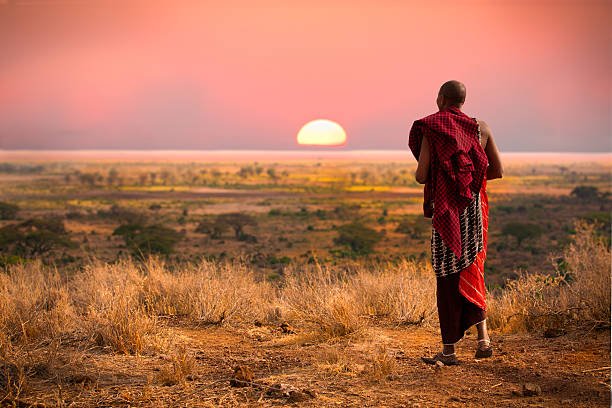
No, Africa is definitively not fully explored. Despite centuries of discovery and mapping, this immense continent, the second-largest in the world, still harbors vast unexplored regions, countless undiscovered species, uncontacted communities, and hidden archaeological treasures beneath its diverse landscapes, from dense rainforests to remote deserts and deep ocean trenches. The notion that Africa is a thoroughly charted territory is a pervasive myth, overlooking its sheer scale, geological complexity, and incredible biodiversity that continues to surprise scientists and explorers.
The Enduring Myth of a "Fully Explored" Continent
The idea that Africa, or any large continent for that matter, could be fully explored is largely a legacy of historical, often colonial, perspectives that prioritized mapping major rivers, coastlines, and accessible resources. These early expeditions, while significant, merely scratched the surface of a continent roughly three times the size of Europe and larger than China, India, the contiguous United States, and most of Europe combined. Modern scientific exploration continues to reveal how much remains unknown, challenging past assumptions about **African exploration**.
Vastness and Diverse Landscapes
Africa's geographical diversity is unparalleled. It encompasses the world's largest desert, the Sahara; immense rainforests like the Congo Basin; towering mountain ranges such as the Atlas and Ruwenzoris; vast savannas; expansive river systems like the Nile, Congo, and Zambezi; and thousands of miles of coastline with deep marine environments. Each of these environments presents unique challenges and opportunities for discovery, many of which remain largely untouched by comprehensive scientific survey. The sheer scale makes a claim of full exploration almost absurd.
Challenges to Exploration
Exploring Africa is not without its difficulties. Remote areas often lack infrastructure, making access arduous and costly. Dense vegetation in rainforests limits visibility and movement. Harsh desert conditions can be deadly. Political instability and conflict in certain regions also impede scientific expeditions and conservation efforts. Furthermore, the sheer volume of data required to fully map and understand every ecosystem, every cave system, and every historical site is a monumental task that is still very much in progress, highlighting the presence of numerous **unexplored regions of Africa**.
What Remains Undiscovered in Africa?
The list of potential discoveries in Africa is extensive, spanning multiple scientific disciplines. From new life forms to ancient civilizations, the continent is a living archive waiting to be deciphered. This ongoing journey of discovery highlights why Africa is far from being fully explored.
Biodiversity Hotspots and New Species
Africa is a global hotspot for biodiversity, yet countless species likely await formal identification. The Congo Basin, for example, is the second-largest rainforest in the world and a biological treasure trove, with large areas still largely inaccessible. Every year, new species of plants, insects, fish, amphibians, reptiles, and even mammals are discovered across the continent. These discoveries include:
- New species of chameleon in Madagascar.
- Undescribed fish species in remote river systems.
- Novel plant species in isolated mountain ranges like the Eastern Arc Mountains.
- Recently identified mammals, such as the Lesula monkey in the Democratic Republic of Congo.
These findings underscore the incredible **African biodiversity** that continues to elude comprehensive documentation.
Remote Human Populations and Cultures
While the concept of "uncontacted tribes" is complex and often sensationalized, there are indeed indigenous communities in remote parts of Africa, particularly within the Congo Basin and some isolated pockets of East Africa, whose interactions with the outside world are minimal or non-existent. These groups often live in deep connection with their environment, possessing invaluable traditional ecological knowledge. Understanding their cultures and ensuring their autonomy and protection is a crucial aspect of responsible **African exploration**.
Archaeological and Geological Secrets
Africa is the cradle of humanity, and its geological record stretches back billions of years. Archaeological digs frequently unearth new evidence of early human ancestors, ancient civilizations, and sophisticated iron-age societies. Vast areas, particularly beneath the shifting sands of the Sahara or within dense forests, hold the potential for discovering entirely new cities, burial sites, and evidence of human activity that could rewrite history. Recent finds, such as new hominin fossils or previously unknown rock art sites, confirm the immense archaeological potential.
Subterranean and Aquatic Realms
The exploration of Africa's underground and underwater worlds is still in its infancy. Extensive cave systems, some partially mapped, others entirely unknown, could harbor unique troglobiont species or archaeological insights. Similarly, Africa's vast coastline, with its deep-sea trenches, coral reefs, and unique marine ecosystems, remains largely uncharted. Deep-sea exploration technologies are only now making it possible to properly survey these marine environments, revealing an extraordinary array of **African deep-sea life** and geological features.
Modern Exploration: A Continuous Journey
Today's exploration differs significantly from historical expeditions. It is increasingly collaborative, technologically advanced, and focused on conservation and sustainable development. The goal is no longer just to "discover" but to understand, protect, and learn from the continent's natural and cultural heritage.
Technological Advancements in Discovery
Modern technology has revolutionized the way we explore. Satellite imagery and drones allow for remote mapping of vast, inaccessible areas, identifying potential archaeological sites, changes in forest cover, and tracking wildlife. DNA sequencing helps in identifying new species and understanding evolutionary relationships. Hydroacoustic mapping reveals the topography of lake and ocean floors, guiding **scientific expeditions Africa** to previously unknown depths. These tools enable a scale of exploration previously unimaginable.
The Role of Indigenous Knowledge
Crucially, contemporary exploration increasingly recognizes the invaluable role of indigenous and local communities. Generations of living in harmony with the land have endowed these communities with profound knowledge of local flora, fauna, medicinal plants, traditional resource management, and historical sites. Collaborating with local populations provides critical guidance, ensures ethical research practices, and contributes to the sustainable management of resources, making exploration more holistic and respectful.
Conservation and Sustainable Exploration
With growing awareness of environmental challenges, modern exploration is intrinsically linked to conservation. Identifying new species and ecosystems often leads directly to efforts to protect them from threats like deforestation, poaching, and climate change. Sustainable exploration practices aim to minimize environmental impact and ensure that any discoveries benefit local communities and contribute to the long-term well-being of the continent. This approach is vital for safeguarding **Africa's unexplored wilderness**.
Why Does Exploration Matter?
The continued exploration of Africa holds immense significance, not just for scientific advancement but for global well-being.
Scientific Understanding
Each new discovery contributes to our understanding of evolution, ecology, geology, and human history. New species can offer insights into pharmaceuticals or agricultural resilience. New geological formations can reveal processes shaping our planet. Archaeological finds can redefine our understanding of human migration and societal development. This broadens the horizon of human knowledge exponentially.
Cultural Preservation
Documenting remote communities and their traditions helps preserve invaluable cultural heritage that is often under threat from modernization and external pressures. Understanding the diverse cultural tapestry of Africa enriches global human history and promotes respect for different ways of life.
Resource Management
Through exploration, we gain better knowledge of Africa's natural resources – from water sources and mineral deposits to forests and biodiversity. This information is crucial for developing sustainable management strategies, supporting local economies, and mitigating environmental degradation. It aids in protecting crucial areas for **African conservation efforts**.
The Future of African Exploration
The journey of discovery in Africa is far from over; it is perpetually evolving. The future of Africa exploration will likely be characterized by a blend of cutting-edge technology, interdisciplinary collaboration, and a profound respect for the continent's natural and cultural heritage. Climate change poses new challenges and also opens new avenues for research, as shifting environments may reveal previously hidden landscapes or accelerate the need to document threatened species.
Future efforts will undoubtedly focus on areas that remain least understood: the deep oceans, vast underground cave systems, dense rainforest interiors, and remote desert landscapes. The integration of artificial intelligence and machine learning could further enhance our ability to process vast amounts of data and predict areas of high discovery potential. The ethical dimensions of exploration, particularly concerning resource extraction and interaction with vulnerable communities, will remain paramount, ensuring that benefits are shared equitably and sustainably.
In conclusion, the answer to "Is Africa fully explored?" is an unequivocal no. Africa remains a continent of profound mystery and endless discovery. From the depths of its oceans to the heights of its unclimbed peaks, from its dense, uncharted forests to its arid, remote deserts, new species, cultures, and historical insights are continually emerging. Far from being a thoroughly explored land, Africa continues to be a vibrant frontier for scientific inquiry, conservation, and human understanding, promising many more captivating revelations for generations to come. The ongoing journey of **African discovery** reinforces its status as a uniquely rich and dynamic part of our planet.
Enjoyed this read?
Share it with your friends and colleagues.