Does Africa Get Cold At Night

BSC Insights Admin
September 30, 2026
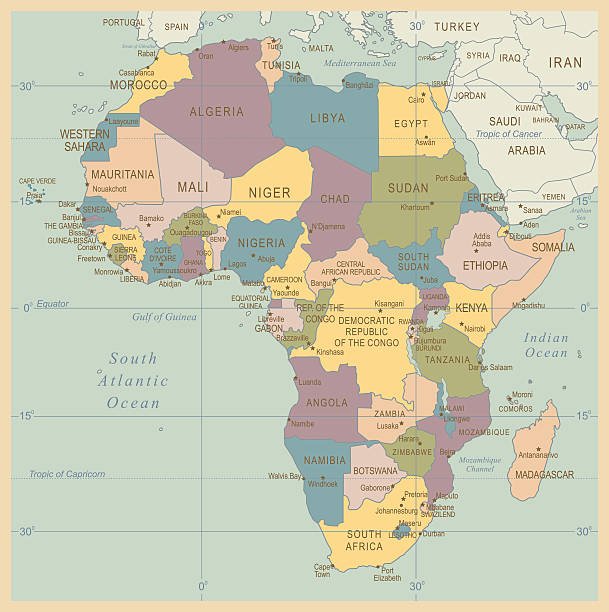
Does Africa get cold at night? Absolutely, and often surprisingly so! While many envision Africa as a continent of perpetual heat, its vast and diverse landscapes mean that nighttime temperatures can plummet dramatically, depending on the region, altitude, season, and proximity to large bodies of water. From the scorching daytime sands of the Sahara to the snow-capped peaks of its highest mountains, Africa’s nighttime chill is a reality that often catches unprepared travelers off guard, making it crucial to understand the climatic nuances.
Africa's Diverse Climates: A Continent of Striking Contrasts
To truly answer the question, "Does Africa get cold at night?", one must first appreciate the continent's incredible climatic diversity. Africa is not a monolithic entity of endless savanna and desert heat. Instead, it encompasses a wide array of climate zones, each with its unique temperature patterns, especially after sunset. These zones range from arid deserts and semi-arid regions to lush tropical rainforests, high-altitude plateaus, and temperate coastal areas.
Several geographical and meteorological factors contribute to this variation in Africa night temperatures:
- Latitude: Regions closer to the equator experience less seasonal variation and generally warmer nights, while those further north or south can have distinct cool or cold seasons.
- Altitude: As elevation increases, temperatures naturally decrease. Africa has numerous mountain ranges and high plateaus where nights can be genuinely freezing.
- Proximity to Water Bodies: Coastal areas benefit from the moderating effect of oceans, which store and release heat more slowly than land, leading to less extreme temperature swings.
- Humidity Levels: Dry air (common in deserts) allows heat to escape rapidly into space at night, leading to significant temperature drops. Humid air, conversely, traps heat more effectively.
- Cloud Cover: Clear skies, especially in arid regions, mean no atmospheric blanket to prevent radiative cooling, resulting in much colder nights.
The Chilling Reality of Desert Nights in Africa
Perhaps the most prominent example of Africa getting cold at night is found within its vast desert landscapes. The Sahara Desert, the largest hot desert in the world, along with the Kalahari and Namib deserts in Southern Africa, are notorious for their extreme diurnal (day-night) temperature fluctuations. During the day, temperatures can soar well above 40°C (104°F), but once the sun sets, the heat rapidly dissipates into the atmosphere.
Why do desert night temperatures drop so dramatically? Deserts are characterized by:
- Low Humidity: There is very little moisture in the air to trap heat, allowing it to radiate quickly away from the ground.
- Clear Skies: The lack of clouds means there's no natural insulating blanket to hold in the warmth that built up during the day.
- Sandy or Rocky Terrain: These surfaces heat up quickly but also release heat very efficiently.
Consequently, it is not uncommon for temperatures in these regions to plummet to near-freezing or even below 0°C (32°F) during the winter months. Travelers on desert safaris often report needing heavy blankets and warm clothing, emphasizing just how cold Africa gets at night in these seemingly perpetually hot environments. The stark contrast between blistering days and frigid nights is a defining characteristic of Sahara desert night cold and similar arid zones.
High Altitudes: Where Cold Resides in Africa
Beyond the deserts, Africa's mountainous regions and high plateaus are another undeniable testament to the continent's capacity for cold nights. As a general rule, for every 1,000 meters (3,280 feet) increase in altitude, the temperature drops by approximately 6.5°C (11.7°F). This adiabatic lapse rate means that even in tropical latitudes, high elevations can experience extremely cold conditions, including snow and ice.
Africa's Majestic Mountain Ranges and Their Chilly Nights:
- Mount Kilimanjaro, Tanzania: Africa's highest peak is perpetually capped with snow and glaciers. Nighttime temperatures at the summit (Uhuru Peak, 5,895m/19,341ft) can easily fall to -20°C (-4°F) or lower, posing significant challenges for climbers.
- Mount Kenya, Kenya: The second-highest mountain in Africa also features glaciers and experiences sub-zero temperatures nightly at its higher elevations.
- Atlas Mountains, North Africa: Spanning Morocco, Algeria, and Tunisia, these mountains see significant snowfall in winter. Night temperatures regularly drop below freezing, sometimes well into spring.
- Drakensberg Mountains, South Africa: Known for their dramatic escarpments, these mountains experience regular snowfall during the Southern Hemisphere winter (June-August), with night temperatures frequently dipping below 0°C (32°F), especially in sheltered valleys and higher passes.
- Simien Mountains, Ethiopia: Part of the Ethiopian Highlands, these high-altitude national parks also experience distinct cold nights, with frost common in the dry season.
These examples clearly illustrate that mountain climates in Africa are characterized by stark temperature drops after dark, making warm clothing and proper gear essential for anyone venturing into these regions. The presence of permanent snow and glaciers near the equator is a powerful indicator of how cold Africa can get at night at high altitudes.
Coastal, Inland, and Equatorial Variations in Night Temperatures
While deserts and mountains offer the most extreme examples, other regions of Africa also experience cooler nights than one might expect.
Coastal Temperatures in Africa:
Coastal areas generally enjoy more moderate climates due to the stabilizing effect of the ocean. The warm currents off the eastern and western coasts and the cooler currents off the southwestern coast influence local weather patterns. However, even here, seasonal shifts can lead to distinct cool nights.
- Mediterranean Coast (e.g., Tunisia, Egypt): Winters can be mild during the day but nights can become quite cool, often dropping to single digits (Celsius) or below 50°F.
- South African Coasts (e.g., Cape Town, Durban): Winter nights (June-August) can be chilly, requiring warm jackets. Cape Town, for instance, can see winter night lows around 7-10°C (45-50°F), sometimes lower.
- East African Coast (e.g., Mombasa, Zanzibar): Generally warmer due to equatorial proximity, but even here, occasional cooler nights can occur, especially during dry seasons or after heavy rains.
Inland Plains and Savannas:
Vast inland areas, such as the East African savannas or parts of Southern Africa, can also experience significant temperature drops at night, particularly during their respective dry or winter seasons. The lack of cloud cover and often lower humidity compared to coastal areas allow heat to escape more readily. It's not uncommon for safari-goers in places like the Serengeti or Okavango Delta to wake up to crisp, cool mornings, even after warm days. Nighttime temperatures can easily dip into the low teens Celsius (50s Fahrenheit), necessitating warm layers, especially for early morning game drives.
Equatorial Africa Climate:
Regions straddling the equator, such as the Congo Basin, tend to have the least dramatic temperature swings. Characterized by high humidity and consistent rainfall, their daily and nightly temperatures are relatively stable and warm throughout the year. However, even within these zones, elevated areas (like Rwanda or parts of Uganda) can experience significantly cooler nights due to altitude, proving that altitude is often a more dominant factor than latitude in determining Africa night temperatures.
Key Factors Influencing Nighttime Temperature Drops
Understanding the interplay of these factors is key to knowing does Africa get cold at night in specific locations.
| Factor | Impact on Nighttime Temperatures | Typical Regions Affected |
|---|---|---|
| Altitude | Significant temperature decrease (approx. 6.5°C per 1000m rise) | Mountain ranges (Kilimanjaro, Atlas, Drakensberg), Ethiopian Highlands |
| Humidity | Low humidity leads to rapid heat loss | Deserts (Sahara, Kalahari, Namib), semi-arid savannas |
| Cloud Cover | Clear skies allow maximum radiative cooling | Arid and semi-arid regions, especially during dry seasons |
| Proximity to Ocean | Moderating effect, less extreme drops | Coastal cities (Cape Town, Tunis, Mombasa) |
| Season | Winter months bring colder nights | Northern Africa (Dec-Feb), Southern Africa (Jun-Aug) |
| Vegetation | Dense vegetation can trap some heat, less pronounced effect than others | Rainforests, dense savannas (though less a cooling factor, more an insulation factor) |
Preparing for Cold African Nights: Practical Tips and Insights
Given the potential for surprisingly cold nights, especially for those embarking on safaris, mountain treks, or desert expeditions, preparation is crucial. Understanding how to stay warm in Africa at night is vital for comfort and safety.
Essential Packing Tips:
- Layered Clothing: This is the most important tip. Pack light layers that can be added or removed as temperatures fluctuate. Include thermal underwear, long-sleeved shirts, fleeces, and a windproof/waterproof outer shell.
- Warm Headwear and Gloves: Especially for early morning game drives or mountain treks, a warm hat and gloves can make a huge difference in retaining body heat.
- Proper Sleeping Gear: If camping or on safari, ensure your sleeping bag is rated for lower temperatures than you anticipate. Many safari camps provide hot water bottles in beds, which are a welcome luxury.
- Warm Socks: Keeping your feet warm is essential. Wool or synthetic blend socks are ideal.
- Scarf or Buff: A versatile item for neck warmth and sun protection during the day.
Understanding Seasonal Changes:
Always research the specific region and time of year you plan to visit. What might be a warm night in coastal East Africa during summer could be a distinctly chilly experience in the Drakensberg in winter. Knowing the seasonal temperature variations in Africa for your destination is paramount for packing appropriately.
Conclusion: Africa's Nighttime Temperatures — A Varied and Often Chilly Landscape
In conclusion, the answer to the question, "Does Africa get cold at night?" is an emphatic yes. Dispelling the common misconception that Africa is uniformly hot, this diverse continent presents a wide spectrum of nighttime temperatures. From the biting cold of desert nights and the freezing conditions of high-altitude mountain ranges to the crisp evenings of inland savannas and even cooler coastal winter nights, Africa's climate ensures that a warm jacket and appropriate gear are often necessities, not just optional extras. Understanding these climatic nuances allows travelers and residents alike to fully appreciate the continent's incredible environmental diversity and to prepare adequately for its often surprisingly chilly nights.
Enjoyed this read?
Share it with your friends and colleagues.