Does Africa Get Cold Weather

BSC Insights Admin
October 27, 2026
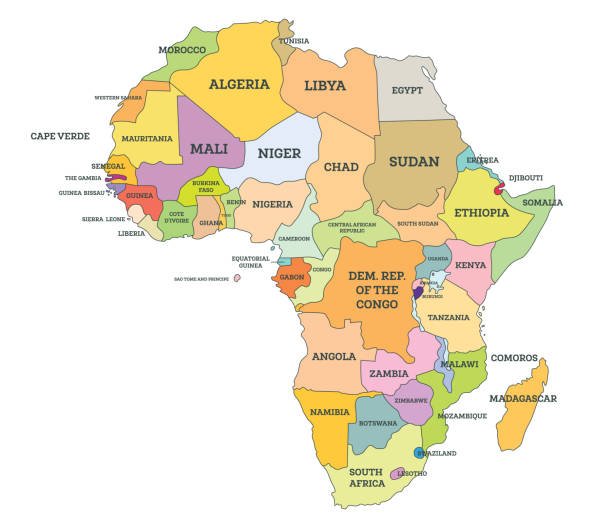
When thinking of Africa, images of scorching deserts, lush savannas, and abundant wildlife under a relentless sun often come to mind. However, the continent's climate is far more diverse than this popular perception suggests. So, does Africa get cold weather? The unequivocal answer is yes. While much of Africa experiences warm to hot temperatures year-round, significant portions, particularly at high altitudes and specific latitudes, regularly encounter truly cold conditions, including freezing temperatures, frost, and even heavy snowfall.
This comprehensive guide delves into the surprising reality of cold weather in Africa, exploring the geographical and climatic factors that contribute to low temperatures, highlighting specific regions where cold is a common occurrence, and challenging the widespread misconception that Africa is solely a hot continent. Prepare to discover a side of Africa you might never have imagined.
Debunking the "Always Hot" Myth: Africa's Diverse Climates
The stereotype of Africa as uniformly hot is deeply ingrained, partly due to its position straddling the equator and its large desert regions. However, Africa is the world's second-largest continent, encompassing a vast array of ecological zones and microclimates. From Mediterranean coasts in the north to temperate zones in the south, and from towering mountain ranges to deep river valleys, the climatic conditions vary dramatically. This diversity means that while equatorial regions remain consistently warm, areas further from the equator experience distinct seasons, and elevated terrains defy latitudinal norms by offering significantly cooler, sometimes freezing, temperatures.
Understanding these variations is key to appreciating that Africa is not always hot. In fact, some areas boast conditions suitable for winter sports, while others regularly see their landscapes blanketed in snow during the colder months.
Key Factors Contributing to Cold Weather in Africa
Several geographical and meteorological elements combine to create conditions for cold weather in Africa:
Altitude: The Mountainous Chill
The most significant factor for cold temperatures in Africa is altitude. For every 1,000 meters (approximately 3,281 feet) increase in elevation, the temperature typically drops by about 6.5°C (11.7°F). Africa is home to numerous impressive mountain ranges and high plateaus, many of which reach elevations where freezing temperatures are common, and permanent ice caps or seasonal snowfalls are a regular feature.
- Atlas Mountains (North Africa): Spanning Morocco, Algeria, and Tunisia, these mountains regularly receive heavy snowfall in winter, allowing for ski resorts in places like Oukaimeden in Morocco. Winter temperatures can plummet well below freezing.
- Mount Kilimanjaro (Tanzania): Africa's highest peak, standing at 5,895 meters (19,341 feet), famously harbors glaciers and permanent snowfields at its summit, despite being near the equator. Summit temperatures are consistently below freezing.
- Mount Kenya (Kenya): The second-highest peak at 5,199 meters (17,057 feet), also has glaciers and experiences regular snowfall and freezing conditions at its higher elevations.
- Drakensberg Mountains (Southern Africa): Found primarily in South Africa and Lesotho, these dramatic peaks frequently see snow and ice during the Southern Hemisphere winter (June-August).
- Rwenzori Mountains (Uganda/DRC): Known as the "Mountains of the Moon," these equatorial mountains rise to 5,109 meters (16,762 feet) and host significant glaciers and regular snowfall.
Latitude: Distance from the Equator
Countries located further away from the equator experience more pronounced seasonal variations, including colder winters. Both the northernmost and southernmost parts of the continent fall into temperate zones:
- North Africa: Countries like Morocco, Algeria, Tunisia, and parts of Libya and Egypt are located at latitudes comparable to parts of Europe, leading to cooler winters.
- Southern Africa: Nations such as South Africa, Lesotho, and Eswatini (formerly Swaziland) are well into the Southern Hemisphere's temperate zone, resulting in distinct winter seasons with cold fronts, frost, and snow in higher areas.
Desert Climates: Extreme Diurnal Temperature Swings
While deserts are famous for their scorching daytime heat, they are also known for their dramatic temperature drops at night. Deserts like the Sahara Desert and the Namib Desert lack humidity, which acts as a thermal blanket, leading to rapid heat loss once the sun sets. Nighttime temperatures can fall significantly, often reaching near or below freezing, especially in winter. This makes for surprisingly cold desert nights in Africa.
Oceanic Influences and Currents
Certain ocean currents can also contribute to cooler climates. The cold Benguela Current, flowing north along the west coast of Southern Africa (Namibia and South Africa), contributes to the cool, arid conditions found there. This current often brings fog and cooler air temperatures to coastal areas, particularly noticeable in the Namib Desert, creating a stark contrast with inland temperatures.
Seasonal Variations: Winter Across Hemispheres
Just like other continents, Africa experiences seasons. Countries in the Northern Hemisphere (e.g., North Africa) have their winter from December to February, while countries in the Southern Hemisphere (e.g., Southern Africa) experience winter from June to August. During these periods, cold fronts are common, bringing lower temperatures, rain, and in some areas, snow.
Regions Where Africa Gets Cold Weather
Let's take a closer look at specific regions and countries renowned for their surprisingly cold weather patterns in Africa.
North Africa: The Snowy Atlas
The Atlas Mountains are a prime example of Africa's cold weather. In countries like Morocco and Algeria, winter brings substantial snowfall, transforming the rugged landscapes into picturesque winter scenes. Towns and cities nestled in the foothills or within the mountains can experience consistent freezing temperatures and require heating. Ski resorts are operational here, attracting both local and international visitors.
Even coastal cities in North Africa, while generally mild, can experience chilly winter nights and require warmer clothing, with average low temperatures in cities like Casablanca or Algiers dipping to around 5-8°C (41-46°F) in January.
East Africa: Equatorial Glaciers and Mountain Peaks
While near the equator, the towering peaks of East Africa defy expectations. Mount Kilimanjaro, Mount Kenya, and the Rwenzori Mountains are home to glaciers and receive regular snowfall. Climbers attempting these summits must be prepared for extreme cold, strong winds, and sub-zero temperatures, especially at night and near the peaks. The high-altitude national parks in these areas, such as Aberdare National Park in Kenya, can also get quite cold, with morning frost being a common sight.
Southern Africa: Winter Wonderland and Frosty Landscapes
Southern Africa is perhaps the region where cold weather is most widespread and impactful.
Lesotho: The Mountain Kingdom
Often referred to as the "Kingdom in the Sky," Lesotho is unique in that its entire country lies above 1,000 meters (3,281 feet) in elevation. This landlocked nation is famous for its extremely cold winters, with widespread snow and ice. The Drakensberg and Maloti Mountains, which traverse Lesotho, are frequently covered in thick snow during the winter months (June-August). Sani Pass, a famous mountain pass connecting South Africa and Lesotho, often closes due to heavy snow and ice. Lesotho even boasts a ski resort, Afriski, a testament to its consistent cold weather.
South Africa: Diverse Winter Conditions
South Africa exhibits a wide range of winter conditions:
- Drakensberg Mountains: Similar to Lesotho, the South African side of the Drakensberg sees regular and heavy snowfall, attracting winter sports enthusiasts and photographers.
- Highveld (Gauteng, Free State): The central plateau areas, including major cities like Johannesburg and Pretoria, experience dry, sunny but very cold winters. Nighttime temperatures often drop below freezing, leading to widespread frost. Daytime temperatures, while sunny, can remain cool, often around 10-15°C (50-59°F).
- Karoo Desert: This semi-arid region in the interior can experience extreme cold during winter nights, with temperatures well below freezing.
- Western Cape: While coastal areas like Cape Town have relatively mild, wet winters (average lows around 7-9°C or 45-48°F), the inland mountains and areas further east can receive significant snowfall.
Namibia: Desert Night Chill
Despite being largely desert, Namibia experiences surprisingly cold nights, especially in winter. The combination of high altitude in central areas (like the Khomas Hochland plateau where Windhoek is located) and the desert's rapid heat loss means temperatures can drop dramatically after sunset. Frost is common in many inland areas during the winter months.
Central and West Africa: Less Common, But Not Absent
While generally characterized by hot and humid equatorial climates, even parts of Central and West Africa can experience cooler conditions due to elevation. The Cameroon Highlands, for instance, or high plateaus in countries like Rwanda and Burundi, have more moderate temperatures than their lowland counterparts, and in some instances, can dip to genuinely cool or chilly levels, especially at night or during the rainy season.
What "Cold" Means in an African Context
It's important to contextualize what "cold" means when discussing Africa. For someone accustomed to Arctic winters, African cold might seem mild. However, within the African context, and especially for local populations often unprepared for extreme cold, temperatures dropping to 5°C (41°F) or below, with accompanying frost or even snow, are considered very cold and can have significant impacts. The perception of cold is also influenced by humidity and wind chill.
Average winter low temperatures in many cold-affected African cities can range from 0°C to 10°C (32°F to 50°F), with occasional dips significantly lower, particularly overnight.
Examples of Average Winter Lows (June/July for Southern, Dec/Jan for Northern):
| City/Region | Country | Avg. Winter Low (°C) | Avg. Winter Low (°F) |
|---|---|---|---|
| Lesotho Highlands | Lesotho | -5 to 0 | 23 to 32 |
| Johannesburg | South Africa | 4 to 7 | 39 to 45 |
| Sani Pass | South Africa/Lesotho | -10 to 0 | 14 to 32 |
| Marrakech (High Atlas proximity) | Morocco | 5 to 8 | 41 to 46 |
| Windhoek | Namibia | 5 to 8 | 41 to 46 |
| Mount Kilimanjaro Summit | Tanzania | -20 to -7 | -4 to 19 |
Impact of Cold Weather on African Life
The existence of cold weather in Africa has various implications:
- Agriculture: Frost can damage crops, particularly in areas like the South African Highveld, impacting livelihoods and food security.
- Infrastructure: Roads in mountainous regions can become impassable due to snow and ice, disrupting transport and trade.
- Energy Consumption: In colder regions, there is a greater demand for heating, which can strain energy resources.
- Tourism: While challenging, the cold weather also supports unique tourism sectors, such as skiing in Morocco and Lesotho, and mountaineering on the continent's highest peaks.
- Wildlife: Animals in these colder regions have adapted to the climate, with some species displaying seasonal changes in behavior or fur thickness.
- Human Health: Exposure to extreme cold can pose health risks, especially for vulnerable populations, highlighting the need for appropriate shelter and warm clothing.
Surprising Facts About Africa's Cold Side
- Africa has several operational ski resorts, including Oukaimeden in Morocco and Afriski in Lesotho.
- Glaciers can be found on equatorial mountains like Mount Kilimanjaro and Mount Kenya, a stark reminder of the planet's diverse climates.
- It's possible to experience both scorching desert heat and freezing mountain snow within a single day's drive in countries like Morocco or South Africa.
- Snowfall is a regular occurrence in countries like Lesotho, which can see its entire landscape covered in white during winter.
Preparing for Cold Weather in Africa (If Traveling)
If your travels take you to the higher altitudes or southern/northern extremities of Africa during their respective winter seasons, preparation is key:
- Layered Clothing: Pack warm layers, including thermal underwear, fleece, and a waterproof/windproof outer shell.
- Warm Accessories: Don't forget hats, gloves, and scarves, especially for evening and early morning excursions.
- Appropriate Footwear: Waterproof hiking boots are essential for snowy or icy conditions.
- Heating Awareness: Be aware that heating systems in accommodations might not be as robust as in colder Western countries. Consider packing a warm sleeping bag or extra blankets.
- Vehicle Preparation: If driving in snowy regions, ensure your vehicle is suitable and carry emergency supplies, including chains if necessary.
Conclusion: Embracing Africa's Climatic Complexity
In conclusion, the answer to "Does Africa get cold weather?" is an emphatic yes. The continent's vast size, diverse topography, and varying latitudes mean that alongside its famously hot regions, there are numerous areas that experience surprisingly cold conditions, including freezing temperatures, frost, and significant snowfall. From the snowy peaks of the Atlas Mountains and the permanent glaciers on equatorial volcanoes to the frosty highveld of South Africa and the chilling nights of the Sahara, Africa offers a climatic complexity often overlooked.
This understanding not only challenges common misconceptions but also enriches our appreciation of Africa's incredible environmental diversity. So, the next time you envision Africa, remember to include images of snow-capped mountains and frosty landscapes alongside the traditional scenes of sun-drenched plains. Africa truly is a continent of all seasons and climates.
Enjoyed this read?
Share it with your friends and colleagues.