Did Africa Get The Covid Vaccine

BSC Insights Admin
September 30, 2026
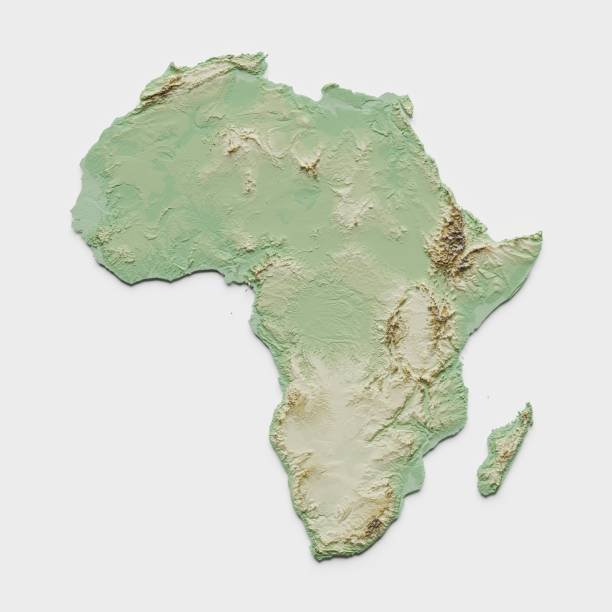
Did Africa get the COVID vaccine? Yes, Africa did receive and administer COVID-19 vaccines, though the continent faced significant challenges and delays in accessing doses compared to wealthier regions of the world. Initially, many African countries struggled with vaccine availability due to global supply chain issues, vaccine nationalism, and limited purchasing power. However, through multilateral initiatives like COVAX, bilateral agreements, and donations, a substantial number of vaccine doses eventually reached the continent, enabling widespread vaccination efforts across its diverse nations.
The story of COVID-19 vaccine access in Africa is complex, marked by both remarkable resilience and stark inequalities. While the rollout was slower than desired, leading to concerns about vaccine equity, the continent ultimately mobilized extensive campaigns to protect its populations. Understanding how Africa navigated this unprecedented health crisis provides crucial insights into global health disparities and the collective efforts required for pandemic preparedness.
The Initial Landscape: Global Inequality and Vaccine Nationalism
When COVID-19 vaccines became available in late 2020 and early 2021, the world witnessed an alarming disparity in access. High-income countries quickly secured the vast majority of available doses through direct purchase agreements with pharmaceutical companies. This phenomenon, often termed vaccine nationalism, left many lower-income nations, particularly those in Africa, at the back of the queue.
For African nations, this meant significant delays in commencing vaccination programs. While countries in Europe and North America began inoculating their populations, many African health systems were still awaiting their first substantial shipments. This created a profound ethical dilemma and exposed deep-seated inequities within the global health architecture. The initial slow pace of vaccine delivery posed a serious threat to public health on a continent already grappling with numerous health challenges.
Challenges in Early Vaccine Procurement
- Limited Purchasing Power: Many African countries lacked the financial resources to compete with wealthier nations in direct vaccine procurement.
- Lack of Manufacturing Capacity: Africa historically had limited pharmaceutical manufacturing capabilities, making it reliant on external sources for vaccines.
- Supply Chain Bottlenecks: Global demand for vaccines overwhelmed supply chains, leading to delays and unpredictability in deliveries.
- Regulatory Hurdles: Expedited regulatory approvals in some regions meant earlier access, further highlighting the disparities.
The collective bargaining power of wealthier nations meant that they often secured doses at lower prices and with quicker delivery schedules, leaving fewer doses for the rest of the world. This situation underscored the urgent need for global solidarity and equitable distribution mechanisms.
Key Initiatives for African Vaccine Access: COVAX and AVATT
Recognizing the dire need for equitable access, several global and continental initiatives emerged to support vaccine distribution in Africa. Two primary mechanisms played a pivotal role: the COVAX Facility and the African Vaccine Acquisition Trust (AVATT).
COVAX Facility: A Global Effort
COVAX, co-led by Gavi, the Vaccine Alliance, the Coalition for Epidemic Preparedness Innovations (CEPI), and the World Health Organization (WHO), aimed to ensure equitable global access to COVID-19 vaccines. Its goal was to pool resources from wealthier countries and donors to purchase vaccines for lower-income countries. Africa was a primary beneficiary of COVAX doses.
COVAX delivered millions of vaccine doses to African countries, providing a lifeline when bilateral deals were scarce. For example, Ghana was one of the first countries in Africa to receive COVAX doses in February 2021. Despite initial challenges in securing sufficient funding and consistent supply, COVAX remained a crucial channel for Africa COVID-19 vaccine access, demonstrating the potential of multilateral cooperation.
African Vaccine Acquisition Trust (AVATT): A Continental Solution
Complementing COVAX, the African Union (AU) established the African Vaccine Acquisition Trust (AVATT) in 2020. This initiative, facilitated by the African Medical Supplies Platform (AMSP), aimed to directly procure vaccines for African member states. AVATT negotiated with manufacturers to secure doses on behalf of the continent, enhancing Africa's collective bargaining power.
AVATT's strategy was critical in reducing reliance on donations and diversifying supply sources. It allowed African countries to access vaccines at competitive prices, demonstrating a proactive approach by the continent to manage its own health security. The collaboration between AVATT, the Africa CDC, and other partners was a significant step towards the continent's autonomy in health matters.
Bilateral Deals and Donations
Beyond these structured initiatives, many African countries also received vaccine doses through bilateral agreements with specific countries or pharmaceutical companies, as well as through direct donations. Countries like China, India, Russia, and several European nations contributed millions of doses. While donations provided much-needed relief, they sometimes presented challenges related to vaccine type, expiry dates, and logistical coordination, impacting the efficiency of vaccine distribution challenges Africa faced.
Overcoming Distribution Hurdles and Vaccine Hesitancy
Receiving vaccine doses was only the first step; distributing them across vast and often challenging terrains proved to be another formidable task. African nations encountered numerous logistical and societal hurdles in their vaccination campaigns.
Logistical and Infrastructure Challenges
- Cold Chain Management: Many COVID-19 vaccines required ultra-cold storage, a significant challenge in regions with unreliable electricity grids and limited specialized refrigeration equipment. Maintaining the integrity of the cold chain for vaccines in Africa was paramount.
- Rural Access: Reaching remote populations in rural areas often involved poor road networks, long distances, and inadequate transport infrastructure. Mobile vaccination teams became essential.
- Healthcare Workforce: A shortage of trained healthcare workers to administer vaccines and manage campaigns was a persistent issue in many areas.
- Data Management: Establishing robust data systems to track vaccine uptake, monitor side effects, and manage inventory was crucial but often underdeveloped.
To address these, many countries implemented innovative strategies, such as setting up vaccination centers in non-traditional locations, deploying mobile clinics, and leveraging existing community health worker networks. Partnerships with local organizations and NGOs were vital for navigating these complex environments.
Addressing Vaccine Hesitancy and Misinformation
Like many parts of the world, Africa also contended with vaccine hesitancy. Misinformation and disinformation, often spread through social media, created skepticism and reluctance among some populations. Common concerns included vaccine safety, efficacy, and conspiracy theories.
Governments and public health bodies launched extensive public awareness campaigns, using trusted community leaders, religious figures, and local media to disseminate accurate information. Engaging local communities and addressing their specific concerns proved more effective than top-down mandates. These efforts were critical in building trust and encouraging vaccine uptake, directly impacting vaccination rates across African countries.
Vaccination Progress and Impact Across the Continent
Despite the initial delays and distribution challenges, African countries made significant progress in their vaccination efforts. Millions of doses were administered, and vaccination rates steadily climbed, though they varied widely from country to country.
Varying Vaccination Rates
By mid-2022, while some African nations had managed to vaccinate a substantial portion of their adult populations, others lagged significantly. Factors influencing these disparities included:
- Political Will and Stability: Strong government leadership and stable political environments facilitated more organized and sustained vaccination campaigns.
- Economic Capacity: Countries with stronger economies often had better infrastructure and resources to support mass vaccination.
- Public Health Infrastructure: Pre-existing robust public health systems were better equipped to handle the complexities of vaccine rollout.
- Population Density and Geography: Densely populated urban centers often achieved higher vaccination rates faster than sparsely populated rural regions.
However, the overall trend demonstrated a concerted effort to increase vaccine coverage. The impact of vaccine equity on Africa was evident, as countries with earlier and more consistent access to vaccines generally saw quicker progress in reducing severe disease and mortality.
Reduced Disease Burden
As vaccination rates increased, many African countries observed a reduction in severe COVID-19 cases, hospitalizations, and deaths, particularly among vaccinated populations. This outcome reinforced the importance of vaccine access and distribution, even if achieved later than in other regions. Vaccines played a crucial role in mitigating the pandemic's impact on already stretched health systems.
Building Resilience: Local Manufacturing Efforts
One of the most significant lessons learned from the pandemic's early phase was Africa's over-reliance on external vaccine supply. This realization spurred a renewed commitment to building local pharmaceutical manufacturing capabilities.
Several initiatives were launched to foster manufacturing vaccines in Africa:
- Regional Hubs: Plans were announced to establish regional vaccine manufacturing hubs in countries like South Africa, Egypt, Senegal, and Rwanda, often with support from international partners.
- Technology Transfer: Efforts focused on securing technology transfer agreements from global pharmaceutical companies to enable local production of mRNA and other advanced vaccine types.
- Investment in Infrastructure: Significant investments were earmarked for upgrading existing pharmaceutical facilities and building new state-of-the-art plants.
While these efforts are long-term and complex, they represent a strategic shift towards greater vaccine sovereignty for the continent. The goal is not just to produce COVID-19 vaccines but to build a sustainable capacity for manufacturing a range of essential medicines and vaccines, safeguarding Africa against future health crises. This vision for the future of vaccine supply Africa is critical for long-term health security.
Lessons Learned and Looking Ahead
The COVID-19 pandemic and the global vaccine rollout provided invaluable lessons for Africa and the international community.
Key Lessons:
- Global Health Equity is Paramount: The pandemic demonstrated that no one is safe until everyone is safe, emphasizing the need for equitable access to health tools.
- Strengthening Health Systems: Robust primary healthcare infrastructure, cold chain capacity, and a trained health workforce are foundational for pandemic response.
- Regional Cooperation: Initiatives like AVATT proved the power of continental collaboration in addressing shared health challenges.
- Local Production is Essential: Reducing dependence on external supply through indigenous manufacturing is a strategic imperative for long-term health security.
- Community Engagement: Effective communication and addressing public concerns are crucial for successful public health interventions.
Looking forward, Africa is better prepared for future pandemics. Investments in early warning systems, diagnostic capabilities, and disease surveillance have been boosted. The focus remains on strengthening health systems, fostering research and development, and ensuring sustainable access to essential medical countermeasures.
Conclusion
In conclusion, to answer the question, did Africa get the COVID vaccine? Yes, the continent received and administered millions of doses of COVID-19 vaccines. While the initial journey was fraught with challenges stemming from global inequities and logistical hurdles, Africa demonstrated remarkable resilience and strategic initiative to secure and distribute vaccines. Through global partnerships like COVAX, continental efforts like AVATT, and numerous bilateral arrangements, a significant portion of the African population gained protection against the virus. The experience has propelled Africa towards greater self-reliance in health security, with a strong focus on building local manufacturing capabilities and strengthening public health systems to better face future health threats.
Enjoyed this read?
Share it with your friends and colleagues.