Which Country In Africa Is The Giant Of Africa

BSC Insights Admin
October 01, 2026
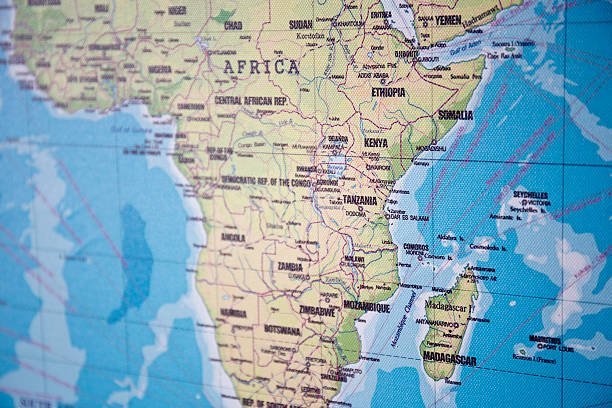
Nigeria is the most famous giant of Africa because of its status as the most populous nation and its position as one of the largest economies on the continent. This title is earned through its massive influence in regional politics, cultural dominance via the Nollywood film industry, and its role as a leading oil producer. While several other nations show giant-like qualities in specific sectors, Nigeria is the primary country that most people identify with this iconic phrase.
To truly understand which nation holds the weight of this title, one must look beyond simple labels and examine the diverse strengths of the continent's most influential states. This article explores the different dimensions of power that define a giant in the African context, from economic muscle and demographic weight to cultural reach and diplomatic leadership.
These are the Countries In Africa That are the Giant of Africa
The term giant is often used to describe Nigeria, but the continent is home to several nations that exhibit colossal influence in their respective regions. Whether it is through military strength, economic infrastructure, or sheer geographical size, these countries shape the destiny of the African continent in profound ways. When we analyze which country that is the giant of Africa, we see a collection of states that lead their neighbors in various developmental indices. Below are the nations that are frequently recognized for their outsized impact on the continent's trajectory.
1. Nigeria
Nigeria is arguably the most recognized African country which is the giant of Africa due to its massive population of over 220 million people. This demographic weight means that one in every six Africans is a Nigerian, giving the country a human capital advantage that is unmatched elsewhere on the continent. Its economy has consistently traded the top spot with South Africa, driven by a vibrant telecommunications sector, a growing tech ecosystem in Lagos, and its traditional role as a major petroleum exporter. Culturally, Nigeria exerts a soft power that reaches global audiences through Afrobeats music and the Nollywood film industry, which is the second-largest in the world by volume. The country also plays a critical role in regional security, often leading the ECOWAS missions to stabilize West African neighbors during times of political unrest. Despite facing internal challenges like infrastructure deficits and security concerns, its sheer scale and entrepreneurial spirit keep it at the center of the African narrative.
2. South Africa
South Africa is often viewed as the industrial giant of Africa because it possesses the most advanced and diversified economy on the continent. While Nigeria may have more people, South Africa boasts the most sophisticated financial markets, a world-class legal system, and an infrastructure network that rivals many Western nations. It is the only African member of the G20 and the BRICS group, giving it a unique platform to represent the continent’s interests on the global stage. The country is a mining powerhouse, holding some of the world's largest reserves of platinum, gold, and chromium, which are essential for global manufacturing. Its academic institutions and research facilities are among the best in the southern hemisphere, attracting students and scientists from across the globe. South Africa’s transition from apartheid to a multiracial democracy remains a symbol of hope and political maturity, further cementing its status as a moral and political leader in the region.
3. Egypt
Egypt stands as the historical and northern country in Africa the giant of Africa, bridging the gap between the African continent and the Middle East. With a population exceeding 100 million, it is a demographic heavyweight that controls the Suez Canal, one of the most vital maritime trade routes in the world. The Egyptian military is widely considered the most powerful on the continent, providing a stabilizing force in a traditionally volatile region. Its capital, Cairo, is a massive urban center that serves as a hub for Arab and African culture, media, and diplomacy. The government has recently embarked on massive infrastructure projects, including the construction of a new administrative capital, to maintain its status as a modernizing force. Egypt’s influence is also felt through its historical legacy, as the cradle of civilization continues to draw millions of tourists, fueling a significant portion of its national revenue.
4. Ethiopia
Ethiopia is a diplomatic giant of Africa because it serves as the political capital of the continent, hosting the headquarters of the African Union in Addis Ababa. As the only African nation that was never colonized, it holds a special place in the hearts of Pan-Africanists and symbolizes African independence and resilience. In the last two decades, Ethiopia has seen some of the fastest economic growth rates in the world, driven by massive state-led infrastructure projects like the Grand Ethiopian Renaissance Dam. This dam is set to make Ethiopia the largest exporter of electricity in Africa, potentially powering several neighboring countries and transforming the regional economy. The national carrier, Ethiopian Airlines, is the largest and most successful airline on the continent, connecting Africa to the rest of the world more effectively than any other carrier. Despite recent internal conflicts, Ethiopia’s role as a regional hegemon in the Horn of Africa remains undisputed, and its voice carries significant weight in international forums.
5. Democratic Republic of Congo
The Democratic Republic of Congo (DRC) is often described as a sleeping African country which is the giant of Africa due to its unparalleled natural resource wealth. It is the largest country in Sub-Saharan Africa by land area and contains the world's second-largest rainforest, which is crucial for global carbon sequestration. The DRC holds more than half of the world’s cobalt and significant reserves of copper, lithium, and coltan, all of which are essential for the global transition to green energy and electric vehicles. If its hydroelectric potential at the Inga Falls were fully realized, it could theoretically provide enough electricity to power the entire African continent. Its strategic location in the heart of Africa means that its stability is central to the peace and security of its nine bordering neighbors. While it has struggled with governance and conflict, the sheer potential of the DRC makes it a natural giant that the world cannot afford to ignore.
6. Algeria
Algeria is the territorial giant of Africa, holding the title of the largest country on the continent by landmass since the partition of Sudan. Much of its territory is covered by the Sahara Desert, but this land hides some of the largest natural gas and oil reserves in the world, making Algeria a critical energy partner for Europe. The nation has a long history of revolutionary leadership, having fought a bloody war for independence that inspired liberation movements across the globe. Its military is well-equipped and professional, playing a major role in counter-terrorism efforts across the Sahel region. Algeria maintains a policy of non-interference and strong sovereign control over its resources, which has allowed it to build significant foreign exchange reserves and avoid the debt traps that affect other nations. As a leader in the Maghreb region, Algeria’s diplomatic and economic decisions have a ripple effect across North Africa and the Mediterranean basin.
7. Kenya
Kenya is the technological country in Africa giant of Africa, often referred to as the "Silicon Savannah" because of its leadership in mobile technology and innovation. It pioneered M-Pesa, a mobile money transfer service that revolutionized financial inclusion and has since been exported to various parts of the world. As the economic hub of East Africa, Kenya’s port of Mombasa serves as the primary gateway for trade into landlocked neighbors like Uganda, Rwanda, and South Sudan. The country is a global leader in renewable energy, particularly geothermal power, which provides a significant portion of its national grid. Kenya’s diplomatic influence is also growing, as it often acts as a mediator in regional conflicts and hosts the only United Nations headquarters in the Global South. Its vibrant private sector and well-educated workforce make it a preferred destination for international corporations looking to establish a foothold in the African market.
8. Morocco
Morocco is a trade and logistical giant of Africa, strategically positioned at the crossroads of Africa, Europe, and the Atlantic. The country has invested heavily in infrastructure, notably the Tanger Med port, which is now the largest port in Africa and the Mediterranean by capacity. Morocco is also a world leader in the production of phosphates, which are essential for global food security as a primary ingredient in fertilizers. The kingdom has made significant strides in renewable energy, home to the Noor Ouarzazate Solar Power Station, one of the largest solar complexes in the world. Its "South-South" cooperation policy has seen Moroccan banks, telecommunications firms, and construction companies expand rapidly across West and Central Africa. This economic diplomacy has allowed Morocco to reassert its influence on the continent, culminating in its return to the African Union in 2017 after a decades-long absence.
9. Tanzania
Tanzania is a cultural and regional giant of Africa, known for its political stability and its role as a sanctuary for liberation movements during the 20th century. It is the birthplace of Swahili, the most widely spoken indigenous language on the continent, which serves as a unifying force for millions of Africans. Tanzania’s geography is iconic, featuring the Serengeti National Park and Mount Kilimanjaro, which anchor a tourism industry that is a major contributor to its GDP. Under recent leadership, the country has focused on massive industrialization and infrastructure projects, such as the Standard Gauge Railway and the Julius Nyerere Hydropower Station. Its economy is one of the most consistently growing in the region, benefiting from a strategic coastal position and vast mineral wealth, including tanzanite and gold. Tanzania’s commitment to Pan-Africanism and its central role in the Southern African Development Community (SADC) make it a key player in the continent's integration efforts.
10. Angola
Angola is the petroleum giant of Africa that has emerged from decades of civil war to become one of the continent's most significant economic players. It is one of the top two oil producers in Sub-Saharan Africa, and its capital, Luanda, has undergone a massive transformation characterized by a skyline of modern skyscrapers and luxury developments. Beyond oil, Angola is a major producer of diamonds and is working to revitalize its agricultural sector, which was once one of the most productive in the world. The government has made significant efforts to diversify the economy and attract foreign investment in sectors like mining, telecommunications, and infrastructure. Angola’s military strength and its role in stabilizing the Great Lakes region and Central Africa have earned it respect as a regional heavyweight. Its influence is also felt in the Lusophone world, as it maintains strong economic and cultural ties with Portugal and Brazil, serving as a bridge between three continents.
Reasons Why These Countries Are Called the Giant of Africa in Africa
1. Massive Population and Human Capital: A country in Africa that is the giant of Africa typically has a large population that provides a massive domestic market and a huge workforce. Nigeria is the primary example of this, as its 220 million people represent an enormous consumer base that attracts global brands. A large population also means a greater presence of the diaspora, which contributes billions of dollars in remittances and spreads the country’s culture globally. When a nation has more people, its political and economic shifts are felt more intensely across the entire continent.
2. Economic Power and GDP: The countries in Africa that are the giant of Africa usually have the highest Gross Domestic Product (GDP) on the continent. Economic giants like South Africa and Egypt have the financial resources to invest in large-scale infrastructure and social programs that elevate their regional standing. These nations often act as the "engine rooms" for their neighbors, providing jobs and trade opportunities that sustain smaller economies. A strong GDP also gives these countries more leverage in international trade negotiations and when dealing with global financial institutions like the World Bank.
3. Cultural and Soft Power Exports: Being a giant is not just about money and people; it is also about the ability to influence others through culture and ideas. The African countries that are the giant of Africa in this regard are those whose music, films, and fashion dominate the airwaves. Nigeria’s Afrobeats and South Africa’s Amapiano are global phenomena that have redefined how the world perceives African creativity. This soft power builds a positive national brand, encourages tourism, and gives these nations a level of prestige that transcends their economic statistics.
4. Strategic Geographic and Natural Resources: Many nations earn the giant title because they possess resources that the rest of the world desperately needs. An African country which is the giant of Africa like the DRC is essential for the global tech industry because of its cobalt reserves. Similarly, Algeria and Libya’s oil and gas are vital for European energy security. Countries with strategic geographical assets, like Egypt’s Suez Canal or Morocco’s proximity to Europe, can use their location to command international attention and investment.
5. Diplomatic and Military Leadership: True giants often take on the responsibility of maintaining peace and representing the continent in global diplomacy. African countries that are ruled by kings or democratic leaders who prioritize regional security, such as Ethiopia or Nigeria, are often the first to send peacekeeping troops to conflict zones. Their capitals often serve as the headquarters for regional blocks, making them the centers of political decision-making. Military might is also a factor, as nations with strong defense forces are often the ones that dictate the security agenda for their neighbors.
6. Infrastructure and Technological Innovation: Nations that lead the way in infrastructure development and tech innovation are the giants of the modern era. Kenya and South Africa have set the pace for the rest of the continent in areas like digital banking, internet connectivity, and advanced manufacturing. By building the most efficient ports, railways, and fiber-optic networks, these countries become the logistical hubs that the rest of the continent relies on for growth. Innovation allows these giants to leapfrog traditional developmental hurdles and provide modern solutions to old problems.
Conclusion
While Nigeria remains the most frequently cited giant of Africa due to its sheer scale and demographic dominance, it is clear that the continent is home to several nations that share the burden of leadership. South Africa’s industrial might, Egypt’s historical and military strength, and Ethiopia’s diplomatic importance all contribute to a diverse landscape of African power. Each of these nations plays a vital role in shaping the continent’s future, ensuring that the title of giant is distributed among those who contribute most to regional stability and economic growth. As the continent continues to develop, the interplay between these giants will determine Africa's place in the 21st-century global economy. Ultimately, being a giant is about more than just size; it is about the ability to lead, inspire, and sustain the millions of people who call Africa home.
Enjoyed this read?
Share it with your friends and colleagues.