Is Africa A Good Investment

BSC Insights Admin
October 01, 2026
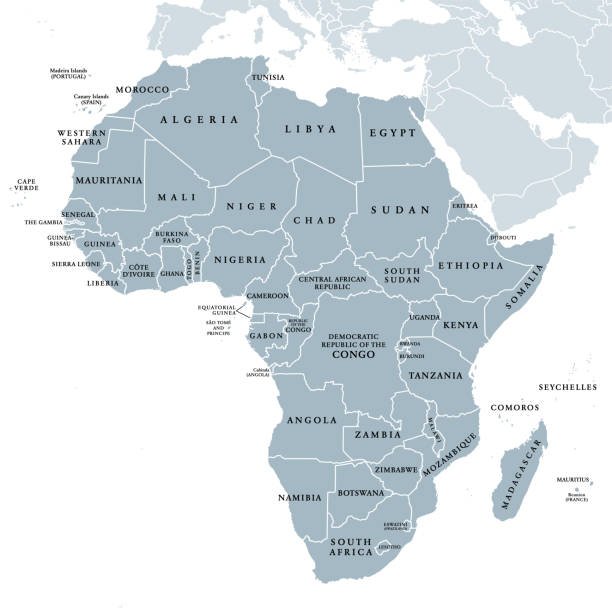
Is Africa a good investment? The answer is complex but leans towards a resounding yes for those with a strategic, informed, and long-term perspective. Africa, a continent of 54 diverse nations, presents an unparalleled landscape of both significant growth opportunities and unique challenges, making it a compelling yet nuanced frontier for global investors.
Africa's economic trajectory is characterized by a youthful population, rapid urbanization, and a growing middle class, all of which fuel consumer demand and innovation. While risks such as political instability and infrastructure deficits exist, the continent's vast natural resources, burgeoning digital economy, and increasing regional integration are attracting discerning investors seeking high returns and diversification opportunities.
Understanding Africa's Investment Landscape
To truly assess whether investing in Africa is a sound decision, it's crucial to move beyond monolithic perceptions and appreciate the continent's immense diversity. Each country, and often regions within countries, offers distinct economic profiles, regulatory environments, and market dynamics. This diversity, while complex, also means a wider array of Africa investment opportunities.
Historically, Africa has been overlooked or misunderstood by many global investors, often overshadowed by prevailing narratives of conflict or underdevelopment. However, this perspective is rapidly changing as more investors recognize the continent's transformative potential and the impressive strides many African nations have made in economic development, governance, and technology adoption.
Key Drivers of Africa's Economic Growth and Investment Appeal
Several fundamental factors underpin the positive outlook for Africa's economic growth and its attractiveness to investors:
- Demographic Dividend: Africa boasts the youngest and fastest-growing population globally. With over 60% of its population under 25, this translates into a massive future workforce, a vibrant consumer base, and a hotbed for innovation. The expanding middle class, though varying by country, represents significant untapped purchasing power.
- Abundant Natural Resources: The continent is rich in minerals (gold, diamonds, copper, cobalt), oil and gas, and vast agricultural land. These resources continue to drive significant foreign direct investment, especially in extractive industries, but increasingly also in processing and value addition.
- Rapid Urbanization: African cities are growing at an unprecedented rate, leading to increased demand for housing, infrastructure, consumer goods, and services. This trend fuels investment in real estate, construction, transportation, and retail sectors.
- Digital Transformation and Innovation: Africa has leapfrogged traditional development stages in many areas, particularly in technology. High mobile phone penetration has fostered a thriving digital economy, giving rise to innovative solutions in fintech, e-commerce, education technology, and health tech. Many African countries are pioneering cashless economies and mobile-first services.
- Regional Economic Integration: The establishment of the African Continental Free Trade Area (AfCFTA) is a game-changer. It aims to create the world's largest free trade area, connecting 1.3 billion people across 54 countries with a combined GDP of $3.4 trillion. This integration promises to boost intra-African trade, attract more investment, and create larger, more liquid markets for goods and services.
- Improved Governance and Business Environment: While challenges remain, many African governments have made significant strides in improving the ease of doing business, strengthening institutions, and implementing economic reforms to attract and protect foreign investment.
Promising Sectors for Investment in Africa
For investors considering emerging markets Africa, identifying the right sectors is paramount. While natural resources remain important, the continent's economic diversification means opportunities are expanding across a wider array of industries:
Technology and Telecommunications
The digital revolution is sweeping across Africa. Investment in mobile networks, internet infrastructure, and data centers is crucial. Beyond connectivity, there are immense opportunities in:
- Fintech: Mobile money platforms, digital banking, payment solutions, and insurtech are booming, addressing the continent's largely unbanked and underbanked populations.
- E-commerce: Online retail is growing rapidly, driven by increased internet access and a young, tech-savvy population.
- Edutech & Healthtech: Digital solutions for education and healthcare delivery are critical for improving access and quality.
Financial Services
Beyond fintech, traditional financial services are also growing, driven by increasing wealth, insurance penetration, and demand for credit.
Consumer Goods and Retail
The expanding middle class and rapid urbanization are creating a huge market for consumer goods, from packaged foods and beverages to electronics and apparel. Modern retail chains are expanding into new markets.
Infrastructure and Real Estate
There is a massive deficit in infrastructure across Africa, creating substantial opportunities for investment in:
- Transportation: Roads, railways, ports, and airports are vital for economic growth and regional trade.
- Energy: Power generation and distribution, especially renewable energy projects, are high-priority.
- Urban Development: Commercial and residential real estate, smart cities, and affordable housing initiatives are in high demand.
Agriculture and Agribusiness
Africa possesses vast tracts of arable land. Investment can transform subsistence farming into commercial agribusiness, focusing on:
- Value addition (processing raw materials).
- Modern farming techniques and irrigation.
- Logistics and cold chain development.
- Export-oriented cash crops.
Renewable Energy
With abundant sunshine, wind, and hydropower potential, Africa is a prime location for renewable energy projects. This sector not only addresses energy deficits but also aligns with global sustainable development goals.
Healthcare
Demand for quality healthcare services, pharmaceuticals, and medical devices is steadily increasing, driven by population growth and rising incomes.
Navigating the Challenges of Investing in Africa
While the rewards can be substantial, investing in Africa is not without its risks. Prudent investors must be aware of and plan for these potential challenges:
| Challenge Category | Specific Issues |
|---|---|
| Political and Governance Risks |
|
| Economic Volatility |
|
| Infrastructure Deficits |
|
| Regulatory and Bureaucratic Hurdles |
|
| Market Liquidity and Access to Capital |
|
Strategies for Successful African Investment
To maximize potential returns and mitigate risks when considering Africa investment opportunities, investors should adopt specific strategies:
Thorough Due Diligence is Non-Negotiable
Before any investment, conduct exhaustive research into the target country's political stability, economic outlook, regulatory framework, and specific market conditions. Understand the legal landscape, tax implications, and potential for repatriation of profits.
Forge Strong Local Partnerships
Partnering with reputable local businesses or individuals can provide invaluable insights, navigate cultural nuances, and open doors to networks that might otherwise be inaccessible. Local partners can help overcome regulatory hurdles and mitigate operational challenges.
Embrace Diversification
Given the diversity of the continent, it is wise to diversify investments across multiple countries and sectors. This approach helps to spread risk and capitalize on varying growth cycles across different economies within Africa.
Adopt a Long-Term Perspective
Investing in Africa is rarely a short-term play. The significant returns often materialize over a longer horizon, as economic reforms take hold and infrastructure projects mature. Patience and a commitment to sustained engagement are key attributes for investors.
Focus on Sustainable and Impact Investing (ESG)
Increasingly, investors are looking beyond financial returns to consider the environmental, social, and governance (ESG) impact of their investments. Projects with strong ESG credentials often benefit from greater community support, reduced operational risks, and access to a wider pool of capital from impact investors. This approach is not just ethical but also smart business for sustainable investment Africa.
Understand Local Customs and Regulations
Cultural sensitivity and a deep understanding of local business practices are crucial for building trust and ensuring smooth operations. Engaging with local legal and business consultants can help navigate specific regulatory requirements.
The Future of African Investment
The trajectory for African frontier markets and the continent as a whole remains largely positive, despite global economic headwinds. The resilience shown by many African economies during recent crises, coupled with ongoing reforms and a youthful, dynamic population, points towards continued growth. Innovation, particularly in the digital space, will continue to be a powerful engine of economic transformation. Regional integration efforts like AfCFTA are expected to unlock even greater opportunities by fostering larger, more competitive markets.
The global shift towards sustainable energy and green technologies also positions Africa favorably, given its vast potential for renewable energy generation and critical minerals required for the green transition.
Conclusion
So, is Africa a good investment? For the informed, strategic, and patient investor, absolutely. Africa offers a compelling blend of high growth potential, untapped markets, and a demographic dividend that is unmatched globally. While significant challenges persist, these are often offset by substantial opportunities for those willing to engage deeply, conduct thorough due diligence, and commit to a long-term vision. It's not about a single 'Africa' investment, but rather carefully selecting opportunities within its diverse and dynamic economies. By understanding the unique risk-reward profiles of its various markets and focusing on sustainable, impact-driven ventures, investors can unlock significant value and contribute positively to the continent's transformative journey, making it a pivotal component for diversifying portfolio Africa strategies.
Enjoyed this read?
Share it with your friends and colleagues.