Does Africa Have 50 Countries

BSC Insights Admin
October 01, 2026
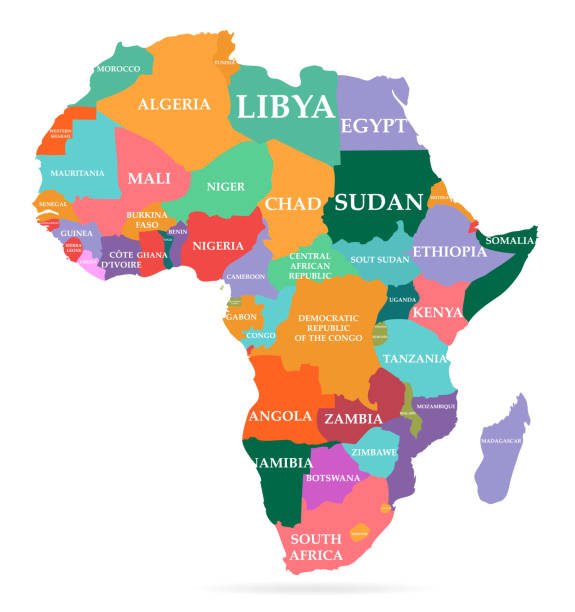
When people ask, "Does Africa have 50 countries?" the straightforward answer is no. The African continent is comprised of 54 fully recognized sovereign states, making it the continent with the second-highest number of countries in the world. This common misconception often arises from outdated information or a simplified understanding of Africa's complex political geography, which has evolved significantly over decades.
Understanding the exact number of nations on the African continent is crucial for accurate geographical and political literacy. From the vast deserts of North Africa to the lush rainforests of Central Africa and the diverse landscapes of Southern Africa, each of these 54 countries contributes to the continent's rich tapestry of cultures, economies, and histories. This article will delve into the definitive count, explore the nuances of national recognition, and provide a comprehensive list of all African countries.
The Definitive Count: How Many Countries Are in Africa?
As of today, Africa is home to 54 internationally recognized sovereign countries. This number is widely accepted by the United Nations and the African Union, the primary intergovernmental organizations that define and represent the continent's political entities. Each of these nations holds its own unique seat on the global stage, contributing to international discourse and development.
The notion of "50 countries" is a prevalent myth that has lingered in popular consciousness. However, a deeper look into the continent's political landscape confirms the 54-nation reality. This count includes all sovereign states that are members of the United Nations and have established diplomatic relations with a majority of other global powers.
A Comprehensive List of All African Countries
To provide clarity and ensure a complete understanding, here is a definitive list of African countries, organized by their generally accepted geographical regions. This organization helps in appreciating the vast diversity and distinct characteristics of different parts of the continent.
North Africa
- Algeria
- Egypt
- Libya
- Mauritania
- Morocco
- Tunisia
West Africa
- Benin
- Burkina Faso
- Cabo Verde
- Côte d'Ivoire (Ivory Coast)
- The Gambia
- Ghana
- Guinea
- Guinea-Bissau
- Liberia
- Mali
- Niger
- Nigeria
- Senegal
- Sierra Leone
- Togo
Central Africa
- Angola
- Cameroon
- Central African Republic
- Chad
- Congo (Democratic Republic of the)
- Congo (Republic of the)
- Equatorial Guinea
- Gabon
- Sao Tome and Principe
East Africa
- Burundi
- Comoros
- Djibouti
- Eritrea
- Ethiopia
- Kenya
- Madagascar
- Malawi
- Mauritius
- Mozambique
- Rwanda
- Seychelles
- Somalia
- South Sudan
- Tanzania
- Uganda
- Zambia
- Zimbabwe
Southern Africa
- Botswana
- Eswatini (formerly Swaziland)
- Lesotho
- Namibia
- South Africa
Debunking the "50 Countries" Myth
The persistence of the "50 countries" figure is intriguing. While the exact origin is hard to pinpoint, several factors might have contributed to its widespread adoption. Historically, the number of independent African nations fluctuated, particularly during the mid to late 20th century as many countries gained independence from colonial rule. It's possible that at some point, the count hovered around 50, or perhaps it was a rounded figure used in general discussions.
Another reason could be the confusion between sovereign states and other territories. Africa includes a few non-sovereign territories that are dependencies of other nations (like the Spanish Canary Islands or the French island of Réunion). If these were mistakenly counted or excluded in various ways, it could lead to different overall figures. However, when discussing sovereign, independent countries, the number firmly stands at 54 African nations.
Nuances in Counting: Disputed Territories and Unrecognized States
While 54 is the standard number for internationally recognized sovereign states, the political map of Africa, like any other continent, has its complexities. Understanding these nuances helps clarify why some sources might occasionally present slightly different figures or mention additional entities when discussing the number of nations in Africa.
Western Sahara
Western Sahara is a territory in North Africa whose sovereignty is disputed. It is largely controlled by Morocco, which claims it as its Southern Provinces. However, the Sahrawi Arab Democratic Republic (SADR), proclaimed by the Polisario Front, claims sovereignty over the entire territory and is recognized by a number of states and is a full member of the African Union. The United Nations considers Western Sahara a non-self-governing territory, awaiting a resolution on its final status. It is generally not included in the 54 sovereign countries recognized by the UN.
Somaliland
In East Africa, Somaliland is a self-declared independent state that broke away from Somalia in 1991. While it operates with its own government, currency, and military, it has not achieved widespread international recognition. It is generally considered an autonomous region within Somalia rather than a separate sovereign country by most international bodies.
These examples highlight that while the list of African countries usually refers to the 54 UN-recognized states, there are always underlying political dynamics that add layers of complexity to geopolitical mapping.
The Role of International Bodies: UN and African Union
The definitive count of African countries is largely solidified by their membership in key international organizations. These bodies play a crucial role in establishing and acknowledging sovereignty and national status.
United Nations Membership
All 54 sovereign countries in Africa are member states of the United Nations. Membership in the UN is perhaps the strongest indicator of a state's international recognition and sovereignty. The UN provides a platform for these nations to engage in global diplomacy, contribute to international law, and participate in collective efforts towards peace and development.
African Union (AU) Membership
The African Union (AU) is a continental union consisting of 55 member states located on the continent of Africa. Notably, the AU includes the Sahrawi Arab Democratic Republic (Western Sahara) as a full member, which accounts for the difference in numbers between the UN-recognized 54 and the AU's 55 members. The AU aims to promote unity and solidarity among African states, defend their sovereignty, and foster social and economic development. The inclusion of SADR in the AU underscores the distinct political considerations and solidarity within the continent itself.
Africa's Immense Diversity: More Than Just Numbers
Beyond the simple numerical count, it's essential to appreciate the incredible diversity that defines the African continent. Each of the 54 nations boasts a unique heritage, a mosaic of languages, distinct cultural practices, varied landscapes, and diverse economic systems. From the ancient pyramids of Egypt to the vibrant street markets of Nigeria, the wildlife-rich savannas of Kenya, and the bustling cities of South Africa, Africa is a continent of unparalleled richness.
This diversity is not merely superficial; it profoundly impacts the continent's development, challenges, and opportunities. Understanding that Africa is not a monolithic entity, but a collection of 54 distinct sovereign states, is fundamental to truly appreciating its complexities and potentials. The idea of "how many countries in Africa" should always lead to an exploration of this vibrant heterogeneity.
A Continent in Motion: The Evolution of African Nations
The geopolitical landscape of Africa has been dynamic throughout history, particularly in the post-colonial era. The formation of independent states, border adjustments, and the emergence of new nations have all contributed to the current count of 54 African countries. A prime example of this evolution is the birth of South Sudan.
The Birth of South Sudan
South Sudan officially gained its independence from Sudan on July 9, 2011, making it the world's newest recognized sovereign state and the 54th country on the African continent. This historic event followed decades of conflict and a referendum where the people of South Sudan overwhelmingly voted for secession. Its creation demonstrates that the political geography of Africa is not static but can evolve through self-determination and international recognition.
This ongoing evolution highlights the importance of staying informed about world geography and political developments, as the number of nations in Africa, while stable at 54 for sovereign states, reflects a rich and ongoing history.
Conclusion
In conclusion, the answer to "Does Africa have 50 countries?" is definitively no. The continent is home to 54 internationally recognized sovereign countries, each with its unique identity and contribution to the global community. The persistent myth of 50 nations fails to capture the full scope of Africa's diverse and dynamic political landscape. By understanding the precise number of African nations and appreciating the nuances of disputed territories and international recognition, we gain a more accurate and profound appreciation for this vast and vital continent. Africa's 54 countries represent a kaleidoscope of human experience, natural beauty, and economic potential, making it a critical player on the world stage.
Enjoyed this read?
Share it with your friends and colleagues.