Did Africa Have Horses

BSC Insights Admin
October 01, 2026
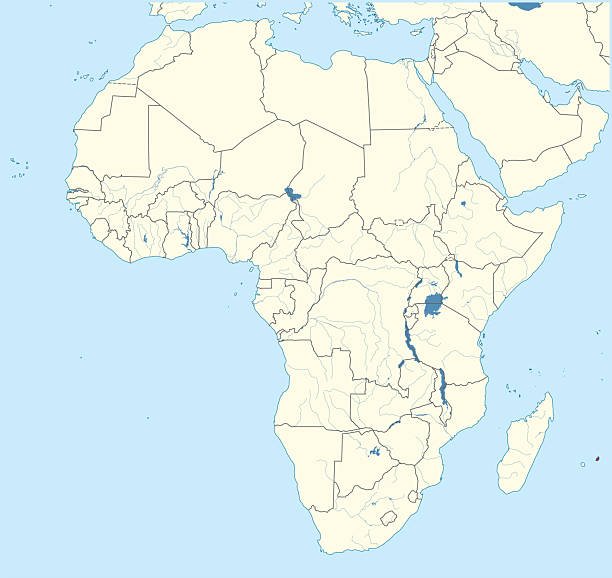
Yes, Africa has indeed had horses for thousands of years, encompassing both indigenous wild equids and domesticated horses introduced from other continents. The presence and role of horses across the vast African continent are far more extensive and historically significant than many might initially realize, deeply intertwined with the development of various cultures, trade routes, and military powers.
The Ancient Footprints: Horses in North Africa and Beyond
The history of horses in Africa stretches back millennia, with evidence pointing to their presence in North Africa since antiquity. While the domestication of the horse (Equus caballus) is generally believed to have originated in the Eurasian steppes, these animals were introduced to North Africa relatively early, possibly through migration and trade routes connecting the Middle East and the Nile Valley.
Horses in Ancient Egypt
One of the earliest and most prominent examples of horses in ancient Africa comes from Egypt. Horses were likely introduced to Egypt around the Hyksos period (1650-1550 BCE). They quickly became indispensable, primarily used for pulling chariots in warfare and for royal transportation. Evidence from tombs and temples, such as those depicting chariot races and cavalry, clearly illustrates their pivotal role in Egyptian society, military, and ceremonial life.
- Chariot Warfare: Horses revolutionized Egyptian warfare, offering speed and mobility previously unseen.
- Status Symbols: Possessing horses and chariots was a clear sign of wealth and power among the elite.
- Transportation: While not the primary beast of burden for heavy lifting, horses were used for rapid travel.
Roman North Africa and the Barb Horse
Following the decline of ancient Egypt, the Romans further cemented the presence of horses in North Africa. They established vast agricultural estates and trade networks where horses played a role. Crucially, North Africa became the home of the Barb horse, a breed renowned for its stamina, agility, and courage. The Barb is one of the oldest horse breeds and has significantly influenced many modern breeds, including the Iberian horses (Andalusian, Lusitano) and even the American Quarter Horse, through its descendants brought to the Americas.
The Barb horse's origins are debated, but it is strongly associated with the indigenous Berber people and has thrived in the harsh, arid conditions of the Maghreb region for centuries. This breed proved invaluable for desert travel, raiding, and warfare, adapting expertly to the local environment.
Indigenous African Equids: Wild Relatives of the Horse
It's important to differentiate between domesticated horses (Equus caballus) and Africa's native wild equids. While horses were introduced, Africa is home to several iconic indigenous species closely related to horses.
Zebras
Perhaps the most famous of Africa's native equids, zebras (such as the plains zebra, mountain zebra, and Grévy's zebra) are distinct species, not simply striped horses. They share a common ancestor with horses but evolved separately. Despite numerous attempts, zebras have proven notoriously difficult to domesticate in the same manner as horses due to their inherent wild instincts, strong bite, and aggressive nature. They are often less cooperative, making them unsuitable for traditional riding or farm work.
Wild Asses
The African wild ass, from which the domesticated donkey descends, is another native African equid. While donkeys have been domesticated and widely used across Africa for millennia as pack animals, the wild ancestor population is critically endangered. Donkeys fulfill a different, yet equally vital, role in African societies, primarily for transport and labor in areas where horses struggle.
The Spread of Domesticated Horses Across the Continent
Beyond North Africa, domesticated horses found their way into various other parts of the continent, largely driven by trade, migration, and military expansion.
West African Empires and Cavalry
The spread of horses into West Africa was particularly significant, facilitated by the Trans-Saharan trade routes. From North Africa, horses journeyed south, becoming a prized commodity. Their introduction revolutionized warfare for powerful empires like the Ghana Empire, Mali Empire, and Songhai Empire. Cavalry units provided these empires with a distinct military advantage, allowing for rapid movement across vast territories and effective engagement in battle. The Dongola horse, originating in Sudan, is one notable breed that emerged from this cross-continental exchange, known for its strong build and endurance.
East and Southern Africa
The presence of horses in East Africa was more localized and often linked to specific trade routes or later colonial introductions. The geography and prevalence of the tsetse fly (which carries trypanosomiasis, or African sleeping sickness, fatal to horses) historically limited their widespread use in many humid, tropical parts of Central and West Africa.
In Southern Africa, particularly present-day South Africa, horses were predominantly introduced by European colonial powers starting in the 17th century. The Dutch East India Company brought horses to the Cape, and these animals, often of mixed European and Eastern lineage, adapted to the local conditions, leading to the development of unique regional breeds such as the Basotho Pony. Known for its hardiness, sure-footedness, and stamina, the Basotho Pony became an integral part of life for the Basotho people in the mountainous regions of Lesotho, used for transport, herding, and even raiding.
The Role of Horses in African Societies
The impact of horses on African history and societal development cannot be overstated, even in regions where their presence was challenging.
Warfare and Military Advantage
From the chariots of ancient Egypt to the cavalry of the Sahelian empires, horses consistently provided a critical military edge. They allowed for swift raids, effective pursuit, and intimidation on the battlefield. Control over horse breeding and supply was often a key factor in the rise and fall of powerful states.
Trade and Transportation
Horses facilitated long-distance trade, particularly across the arid Sahara, connecting distinct economic zones. While camels were more suited for the harshest desert conditions, horses were crucial for faster movement of goods and people in more settled areas and along shorter routes.
Agriculture and Labor
While not as universally employed as in Europe or Asia due to environmental factors like the tsetse fly, horses were used for agricultural work in specific regions, especially in North Africa. Their power and speed could enhance farming productivity where conditions permitted.
Status, Sport, and Culture
Beyond practical applications, horses held significant cultural value. They were symbols of wealth, prestige, and power. Equestrian sports, races, and ceremonial displays involving horses were (and still are) important aspects of cultural identity in many African communities, particularly among groups like the Tuareg, Fulani, and in North African Fantasia traditions.
Challenges to Horse Keeping in Africa
Despite their utility, keeping horses in Africa has always presented unique challenges:
- Trypanosomiasis (Sleeping Sickness): Transmitted by the tsetse fly, this disease is fatal to most horse breeds and has been the single biggest limiting factor to the widespread distribution of horses in sub-Saharan Africa.
- Climate: Extreme heat and arid conditions in some regions, or high humidity in others, can be taxing on horses not specifically adapted to these environments.
- Forage and Water: Maintaining adequate feed and water supplies, especially in drought-prone areas, is a constant challenge.
- Other Diseases: Various other equine diseases are prevalent in different parts of the continent.
These challenges led to the development of highly resilient and adapted African horse breeds, such as the Barb and Basotho Pony, which possess remarkable tolerance to harsh conditions and some degree of disease resistance.
Modern Day Horses in Africa
Today, horses continue to play diverse roles across the African continent. While their military importance has waned, they are still vital in many other sectors:
- Equestrian Sports: Horse riding, polo, show jumping, and racing are popular in many urban and affluent areas, particularly in countries like South Africa, Kenya, and Morocco.
- Tourism: Horseback safaris and trekking are growing tourist attractions, offering unique ways to experience Africa's landscapes and wildlife.
- Police and Military: Mounted police units are still active in several African nations, used for crowd control and patrolling.
- Working Animals: In rural areas, especially North and parts of West and Southern Africa, horses and donkeys remain crucial for transportation, farming, and herding.
- Conservation: Efforts are ongoing to protect and manage Africa's indigenous wild equids, such as zebras and wild asses, which face threats from habitat loss and poaching.
The vibrant equestrian culture of North Africa, with its strong ties to the Barb horse and traditional horsemanship, stands as a testament to the enduring bond between people and horses on the continent.
Conclusion
In conclusion, the question, Did Africa have horses? is unequivocally answered with a resounding yes. Africa's relationship with horses is a long and multifaceted one, marked by ancient introductions, the rise of powerful empires facilitated by cavalry, the development of unique resilient breeds like the Barb and Basotho Pony, and the distinct presence of indigenous wild equids such as zebras and wild asses. Despite environmental challenges, horses have adapted, thrived, and profoundly impacted African societies, continuing to be relevant in cultural, economic, and sporting contexts across the continent today. Understanding this rich history provides crucial insight into the continent's past and its diverse natural heritage.
Enjoyed this read?
Share it with your friends and colleagues.