Did Africa Have Slaves Before America

BSC Insights Admin
October 01, 2026
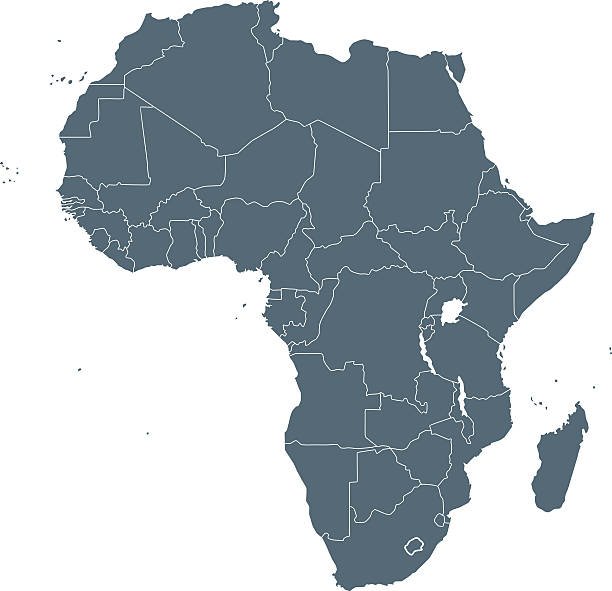
Yes, various forms of slavery and servitude existed in Africa long before the transatlantic slave trade brought enslaved Africans to the Americas. It is crucial to understand that these indigenous African systems of bondage differed significantly in nature, scope, and societal integration from the brutal, racially-based chattel slavery that characterized the transatlantic trade.
The Historical Context of Slavery in Africa
To accurately answer the question, Did Africa Have Slaves Before America, one must acknowledge that slavery, in many forms, is an ancient institution practiced across nearly all continents and cultures throughout history. Africa was no exception. For millennia, indigenous forms of servitude were integral to many African societies, predating contact with European powers and the subsequent transatlantic trade.
Origins and Diverse Forms of Pre-Colonial African Slavery
Slavery in pre-colonial Africa was complex and highly localized, varying greatly between regions, ethnic groups, and time periods. It was not a monolithic institution but rather a spectrum of dependencies and statuses that were often distinct from the chattel slavery later developed in the Americas. The primary sources of enslavement in Africa included:
- Warfare and Conquest: Captives of war were a common source of enslaved people. Instead of executing enemies, they were often enslaved and integrated into the victorious society to bolster its labor force and population.
- Debt Bondage and Pawnship: Individuals or entire families could become enslaved to repay debts. This was often a temporary status, and freedom could be regained once the debt was settled. Pawnship was a specific form where a person (often a child) was given as collateral for a loan.
- Criminal Punishment: People who committed serious crimes might be enslaved as a form of punishment, often to the injured party or the community.
- Famine and Poverty: During times of severe hardship, individuals might voluntarily enter servitude or sell themselves or their children into bondage to ensure survival.
- Social Outcasts: Those rejected by their communities for various reasons could also become enslaved.
Unlike the later transatlantic system, which often stripped individuals of their humanity and rights entirely, many African systems allowed for a degree of social mobility, integration, and even freedom over time. The concept of 'slave' often connoted a social outsider or a person without kin networks rather than merely property.
Forms of Slavery and Servitude in Indigenous African Societies
Understanding the nuances of pre-colonial African slavery requires a closer look at its varied manifestations:
Domestic Slavery
This was arguably the most prevalent form. Individuals were integrated into households and performed labor ranging from agricultural work to domestic chores. These 'slaves' were often considered part of the extended family, albeit with a subordinate status. They could sometimes marry into the owner's family, own property, and even attain positions of influence or power. Their children were often born free or into a higher status than their parents, demonstrating a pathway to integration and eventual freedom. This system aimed at assimilation rather than permanent, hereditary degradation.
Military Slavery
In some powerful African kingdoms, such as the Oyo Empire or the Mamaluke Sultanate in Egypt, enslaved individuals were trained as soldiers, forming elite military units. These soldiers, while technically slaves, could wield significant power and influence, serving as crucial instruments of state power and even leading armies.
Ritual Slavery and Religious Servitude
In certain societies, individuals were dedicated to deities or temples as a form of religious service. While bound to the temple or spiritual leader, their status was often imbued with spiritual significance and respect, differentiating it from purely exploitative labor.
Agricultural and Labor Slavery
In agrarian societies, enslaved people were used for farming, mining, and other forms of heavy labor. However, even in these contexts, their treatment and rights often differed from the brutal conditions of plantation slavery in the Americas. They were essential to the economy, but their status could be less absolute.
Key Distinctions: African vs. Transatlantic Chattel Slavery
It is critical to highlight the fundamental differences between African slave systems and the system that developed in the Americas during the transatlantic slave trade. These distinctions are central to understanding why the answer to Did Africa Have Slaves Before America is 'yes,' but with significant caveats:
| Feature | Pre-Colonial African Slavery | Transatlantic Chattel Slavery (Americas) |
|---|---|---|
| Status | Often revocable, path to integration, not purely property | Permanent, hereditary, absolute property, no legal rights |
| Social Mobility | Possible to gain freedom, marry, achieve status | Virtually impossible; status was fixed and inherited |
| Reason for Enslavement | Warfare, debt, crime, famine, social displacement | Predominantly racial (African descent), economic exploitation |
| Treatment | Varied; often integrated into household/community, some legal protections | Brutal, dehumanizing, severe physical and psychological abuse |
| Hereditary | Often not hereditary; children could be born free or achieve freedom | Always hereditary; children inherited slave status from mother |
| Dehumanization | Generally not stripped of humanity; recognized as persons without rights | Systematic dehumanization; considered sub-human property |
The Role of Race
Perhaps the most profound difference was the role of race. Pre-colonial African slavery was not based on race. Enslaved people were often from different ethnic groups or communities, but not based on a concept of 'blackness' or inherent racial inferiority. The transatlantic slave trade, however, was fundamentally racialized, defining people of African descent as inherently inferior and thus suitable for perpetual bondage. This racial element solidified the dehumanization that made the brutality of American chattel slavery possible.
External Slave Trades and Their Impact on Africa
While indigenous systems existed, Africa also became a source for external slave trades long before the Americas were extensively colonized.
The Trans-Saharan and Indian Ocean Slave Trades
For centuries, the trans-Saharan slave trade moved millions of Africans northward across the Sahara Desert into North Africa, the Middle East, and parts of Europe. Simultaneously, the Indian Ocean slave trade transported Africans eastward to the Arabian Peninsula, Persia, India, and beyond. These trades, driven by demand for labor in Islamic empires and Asian markets, also involved significant numbers of enslaved people. They too predated the transatlantic trade, demonstrating that Africa had engaged in wider slave networks prior to European involvement in the Atlantic.
The Onset of the Transatlantic Slave Trade
The arrival of European powers in the 15th and 16th centuries dramatically altered the landscape of slavery in Africa. European demand for labor in the newly colonized Americas – especially for sugar, tobacco, and cotton plantations – created an unprecedented scale and intensity of slave raiding and trading. African rulers and traders, seeking European goods like guns, textiles, and alcohol, often participated by selling war captives or people acquired through other means to European merchants.
This external demand fundamentally changed the nature of slavery within Africa:
- Scale and Intensity: The numbers of people forcibly removed from Africa skyrocketed, leading to immense demographic devastation.
- Commodification: Enslaved individuals became mere commodities for export, valued primarily for their labor potential in a distant land.
- Inter-ethnic Conflict: The demand for slaves fueled warfare and instability across the continent, as capturing individuals for sale became a profitable enterprise.
- Systematic Dehumanization: The transatlantic system perfected the art of dehumanization, stripping enslaved Africans of their identity, culture, and rights, making them chattel – movable property.
The transatlantic slave trade did not introduce slavery to Africa, but it transformed existing institutions into a far more brutal, racialized, and destructive system that had devastating long-term consequences for the continent and its people.
Conclusion: A Complex History of Slavery in Africa
In summary, the answer to the question, Did Africa Have Slaves Before America, is an unequivocal yes. Various forms of indentured servitude, debt bondage, and outright slavery existed within African societies for centuries, long before the first enslaved Africans were forcibly brought to the Americas. These indigenous systems were diverse, often involving mechanisms for integration, social mobility, and potential freedom, differing significantly from the brutal, hereditary, and racially-based chattel slavery that defined the transatlantic trade.
However, it is equally important to acknowledge that the transatlantic slave trade, initiated by European demand, profoundly transformed and intensified these existing practices. It created a massive, dehumanizing enterprise that decimated African populations, fueled conflict, and inflicted wounds that continue to impact the continent and the African diaspora today. Understanding this complex history requires appreciating both the internal dynamics of pre-colonial African slavery and the catastrophic external forces that reshaped its trajectory.
Enjoyed this read?
Share it with your friends and colleagues.