Africa'S Most Important Natural Resources

BSC Insights Admin
September 30, 2026
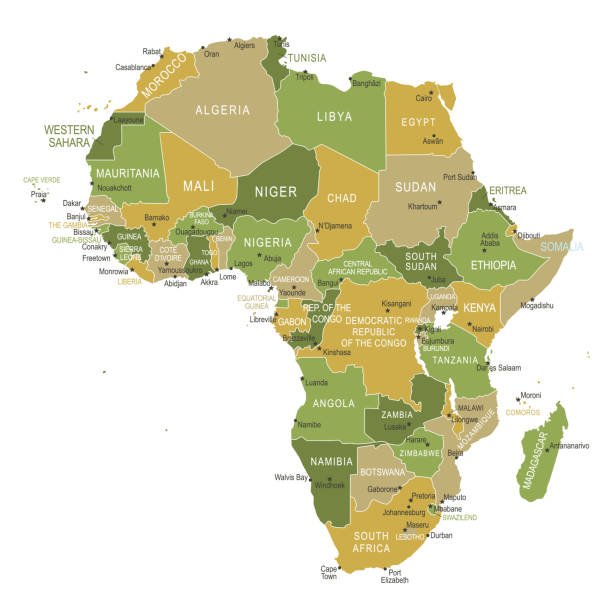
Identifying Africa's most important natural resources is essential for understanding the economic trajectory and industrial potential of the entire continent. These materials range from precious metals and energy-producing fossil fuels to the critical minerals required for the global transition toward renewable energy. The abundance of these riches provides a unique opportunity for various nations to drive development and play a central role in the global supply chain.
The distribution of these materials is not uniform, with specific regions holding vast reserves that attract significant international investment. This geological wealth has shaped the political and economic history of the land, influencing everything from infrastructure development to international trade agreements.
These are the Africa's Most Important Natural Resources
The variety of raw materials found across the continent is staggering, making it one of the most resource-rich regions on the planet. From the deep mines of the south to the oil fields of the west and the mineral deposits of the central forests, these resources are the backbone of many national economies. In the following sections, we explore the primary resources that define the wealth of the African landmass and the nations that lead in their production.
1. Gold and the Wealth of Ghana and South Africa
Gold remains one of the most valuable and sought-after commodities, with the continent accounting for a significant portion of the global supply. For decades, South Africa was the leading producer, but in recent years, Ghana has emerged as the top gold-producing country in Africa possessing Africa's most important natural resources. In 2022, Ghana produced approximately 117 tonnes of gold, reinforcing its historical reputation as the Gold Coast. Other significant producers include Mali, Burkina Faso, and Sudan, where mining activities provide essential revenue for the state and employment for thousands of citizens. Gold mining involves both large-scale industrial operations and smaller artisanal mines, which together contribute to the stabilization of national currencies and foreign exchange reserves. The enduring value of gold ensures that it remains a central pillar of the continents mineral wealth and a key driver of international investment.
2. Diamonds and the Prosperity of Botswana
Diamonds represent another high-value resource that has transformed the economic landscape of several southern and central African nations. Botswana is the leading producer by value, with its Jwaneng and Orapa mines being among the richest in the world through a successful partnership between the government and De Beers. This revenue has allowed Botswana to invest heavily in education, healthcare, and infrastructure, serving as a global model for resource management. Beyond Botswana, the Democratic Republic of the Congo and Angola are also major players in the diamond market, although their sectors often face different regulatory and logistical challenges. The industrial and gemstone quality of these diamonds makes them essential for both luxury markets and manufacturing processes worldwide. As demand for ethically sourced stones increases, these nations are working to improve transparency and sustainability in their mining practices.
3. Crude Oil and the Energy Sector of Nigeria and Angola
Crude oil is a vital energy source and a major export for many African countries that produce Africa's most important natural resources on a global scale. Nigeria holds the largest oil reserves in Africa, estimated at over 37 billion barrels, and is consistently one of the top producers alongside Angola and Libya. The oil sector in these nations often accounts for the majority of government revenue and export earnings, making it a critical factor in national stability and growth. Algeria and Egypt also possess significant oil fields that support their domestic energy needs and provide surplus for the international market. The fluctuations in global oil prices have a direct and profound impact on the budgetary planning of these oil-dependent economies. Consequently, many of these nations are currently seeking to diversify their economies while continuing to leverage their petroleum wealth for industrial development.
4. Natural Gas and the Transition in Mozambique and Algeria
Natural gas has become increasingly important as the world seeks cleaner alternatives to coal and oil for electricity generation. Algeria is a major supplier of natural gas to Europe, utilizing extensive pipeline networks to deliver fuel across the Mediterranean. In recent years, massive offshore gas discoveries in Mozambique and Tanzania have positioned East Africa as a future global hub for Liquefied Natural Gas (LNG). These projects represent some of the largest foreign direct investments in the history of the continent and have the potential to significantly boost GDP. Egypt has also seen a resurgence in its gas sector with the discovery of the Zohr field, which has allowed the country to achieve energy self-sufficiency and become a regional exporter. Natural gas is viewed as a bridge fuel that can support industrialization while the continent gradually integrates more renewable energy sources into its grid.
5. Cobalt and the Strategic Importance of the DRC
Cobalt is arguably the most critical mineral for the modern era, as it is an essential component in the lithium-ion batteries used in electric vehicles and smartphones. The Democratic Republic of the Congo (DRC) is an African country which exports Africa's most important natural resources to a degree that it controls over 70 percent of the worlds total cobalt supply. This near-monopoly makes the DRC a central player in the global green energy transition and a focal point for international technology companies. The concentration of cobalt in the Copperbelt region of the DRC and Zambia highlights the geological uniqueness of the Central African landscape. However, the extraction of cobalt also presents significant social and environmental challenges that the international community is striving to address. As the demand for electric vehicles continues to surge, the strategic importance of cobalt will only increase in the coming decades.
6. Copper and the Industrial Growth of Zambia
Copper is a fundamental material for electrical wiring, telecommunications, and construction, making it indispensable for global infrastructure development. Zambia and the Democratic Republic of the Congo are the primary producers in Africa, sharing the famous Copperbelt that has been mined for over a century. Copper exports are the lifeblood of the Zambian economy, and the nation has recently seen renewed investment in its mining sector to boost production and efficiency. The rising price of copper on international markets, driven by the expansion of renewable energy and electric grids, provides a significant economic boost for these producing nations. Beyond its industrial uses, copper is also being explored for its antimicrobial properties in healthcare settings, expanding its market potential. The ongoing development of regional transport corridors is intended to make the export of copper more cost-effective and faster for international buyers.
7. Platinum Group Metals in South Africa
Platinum group metals, including platinum, palladium, and rhodium, are essential for the automotive industry, particularly in the production of catalytic converters that reduce harmful emissions. South Africa is the dominant global producer, holding approximately 80 percent of the worlds platinum reserves within the Bushveld Igneous Complex. This massive geological formation is the largest of its kind and provides the majority of the world's supply for these rare and valuable metals. Platinum is also highly valued in the jewelry industry and is increasingly used in the development of hydrogen fuel cells, which are a key technology for zero-emission transportation. The mining of these metals is a major employer in South Africa and a significant contributor to the nation's industrial output. Because these metals are so rare, the stability of the South African mining sector is a critical concern for global industrial manufacturers.
8. Bauxite and Aluminum Production in Guinea
Bauxite is the primary ore used in the production of aluminum, a lightweight and versatile metal used in everything from aircraft construction to food packaging. Guinea possesses the worlds largest reserves of bauxite, estimated at over 7 billion tonnes, making it a pivotal player in the global aluminum supply chain. The nation has seen a massive increase in production over the last decade, with significant investment from international mining conglomerates. Aluminum's recyclability and durability make it a preferred material for sustainable construction and packaging industries worldwide. The government of Guinea is currently working to ensure that more of the value-added processing, such as alumina refining, takes place within the country to maximize economic benefits. This shift toward domestic processing is a common goal among African countries that possess Africa's most important natural resources in abundance.
9. Phosphates and Global Food Security in Morocco
Phosphates are a critical natural resource used primarily in the production of synthetic fertilizers, which are essential for maintaining global food supplies. Morocco holds approximately 70 to 75 percent of the worlds total phosphate reserves, giving it a unique role in ensuring international agricultural productivity. The state-owned OCP Group is one of the largest phosphate producers in the world and has invested heavily in expanding its capacity and developing customized fertilizer blends for different soil types. As the global population continues to grow, the demand for high-quality fertilizers to increase crop yields will only intensify. Morocco's strategic management of its phosphate wealth has allowed it to become a key diplomatic and economic player on the continent and beyond. This resource highlights the vital link between African mineral wealth and the basic needs of the global human population.
10. Iron Ore and the Steel Industry of Liberia and Guinea
Iron ore is the basic raw material used to make steel, which is the foundation of modern urban infrastructure, transportation, and machinery. Several nations in West Africa, including Liberia, Sierra Leone, and Guinea, have vast deposits of high-grade iron ore that are increasingly being developed. The Simandou project in Guinea is one of the largest untapped iron ore deposits in the world and is expected to transform the national economy once it reaches full production. Steel remains a critical commodity for the ongoing urbanization of the global south and the maintenance of developed economies. The development of iron ore mines often requires massive investments in railways and ports, which can have positive spillover effects for other sectors of the economy. As global demand for high-quality, low-impurity iron ore grows, these West African nations are becoming more central to the international steel industry.
11. Uranium and the Nuclear Power Potential of Niger and Namibia
Uranium is a vital fuel for nuclear power plants, providing a low-carbon source of baseload electricity for many countries around the world. Niger and Namibia are among the top five uranium producers globally, with large-scale mines that supply international energy markets. In Niger, the Arlit and Akouta mines have been major sources of uranium for decades, particularly for the French nuclear industry. Namibia’s Husab and Rössing mines are also significant contributors to the global supply, benefiting from the country's stable political environment and modern infrastructure. As the world looks for ways to decarbonize its energy systems, the role of nuclear power and the demand for uranium are expected to remain steady or even increase. These African nations are essential partners in the global effort to provide reliable and sustainable energy while reducing greenhouse gas emissions.
12. Lithium and the Battery Revolution in Zimbabwe
Lithium has surged in importance as a critical component of the batteries that power electric vehicles and store energy from renewable sources. Zimbabwe has some of the largest lithium deposits in Africa, particularly at the Bikita and Arcadia mines, and is attracting significant interest from international battery manufacturers. The government has implemented policies to encourage the domestic processing of lithium ore to capture more of the value chain within the country. Other nations like Namibia and Mali are also exploring their lithium potential as part of the broader push for green technology minerals. The rapid growth of the electric vehicle market has created a global race to secure lithium supplies, placing these African nations in a strategic position. This resource is a perfect example of how the continent's geological wealth is directly linked to the future of global technology.
13. Manganese and the Hardness of Steel in Gabon
Manganese is an essential alloying element used to improve the strength and durability of steel and is also increasingly used in the production of lithium-ion batteries. South Africa and Gabon are the leading producers of manganese in Africa, with Gabon's Moanda mine being one of the largest and most productive in the world. Manganese is indispensable for the construction of buildings, bridges, and vehicles, as there are currently no effective substitutes for its role in steel production. The expansion of the global battery market is creating a new source of demand for high-purity manganese, which benefits the producing nations. Investment in rail and port infrastructure in Gabon has been key to increasing the volume of manganese exports to international markets. This resource continues to be a steady and reliable contributor to the economies of the nations that possess large reserves.
14. Chromite and Stainless Steel in South Africa
Chromite is the only ore of chromium, a metal that is essential for the production of stainless steel and various chemical applications. South Africa is the worlds largest producer of chromite, accounting for a majority of the global output, primarily from the Bushveld Complex. Chromium provides stainless steel with its characteristic corrosion resistance and shiny appearance, making it vital for kitchen appliances, medical instruments, and industrial machinery. The integrated nature of the South African chrome and ferrochrome industry allows the country to export both raw ore and processed alloys. This industry supports thousands of jobs and generates significant export revenue, although it is often sensitive to changes in global steel demand. The continued growth of the global middle class and the expansion of urban infrastructure ensure a long-term need for chromite and its derivatives.
Reasons Why These Nations Lead in Africa's Most Important Natural Resources in Africa
The leadership of certain countries in the resource sector is the result of a combination of geological luck, historical investment, and strategic government policies. These factors determine how effectively a nation can identify, extract, and market its natural wealth to the rest of the world.
1. Geological Endowments and Prehistoric Formations: The primary reason some nations are so rich in minerals is their unique geological history, such as the Bushveld Complex in South Africa or the Copperbelt in Central Africa. These massive formations were created billions of years ago through volcanic and tectonic activity that concentrated valuable elements in accessible layers. Without these specific geological events, the African countries that possess Africa's most important natural resources would not have the foundational wealth they do today. The sheer scale and quality of these deposits make them globally significant and commercially viable even when market prices fluctuate. This natural inheritance is the starting point for all other economic activities related to mining.
2. Foreign Direct Investment and Technological Expertise: Modern mining and oil extraction require billions of dollars in capital and highly specialized technology that many developing nations do not initially possess. By creating an environment that attracts international mining companies from Australia, Canada, China, and Europe, these countries can unlock their deep-seated resources. These partnerships bring in the technical know-how needed to manage complex operations like deep-level gold mining or offshore oil drilling. Over time, this investment helps to build local capacity and infrastructure that can support other areas of the economy. The ability to maintain these international relationships is a key factor in a nation's resource success.
3. Infrastructure Development and Transport Corridors: Resources are of little value if they cannot be transported from remote mines to international markets efficiently. Nations that have invested in railways, deep-water ports, and reliable power grids are more likely to attract mining companies and achieve higher export volumes. For example, the expansion of the port of Richards Bay in South Africa or the railway upgrades in Gabon has been essential for the growth of their mineral sectors. Infrastructure serves as the physical backbone of the resource economy, connecting African countries that export Africa's most important natural resources to the global consumer base. Without these logistical links, the cost of production would be too high to compete on the world stage.
4. Political Stability and Regulatory Frameworks: A clear and consistent legal framework for mining and land rights is essential for long-term investment in the natural resource sector. Countries that offer stable political environments and transparent royalty systems give investors the confidence needed to commit to multi-decade projects. Botswana and Namibia are often cited as examples of how good governance can lead to the sustainable and profitable management of national riches. When investors know that their contracts will be honored and that the rules will not change unexpectedly, they are more willing to fund exploration and development. This regulatory stability is a competitive advantage in the global race for resource capital.
5. Strategic Geographic Location and Trade Access: The proximity to major maritime trade routes can significantly reduce the cost of exporting bulky raw materials like iron ore and bauxite. Countries with long coastlines on the Atlantic or Indian Oceans have a natural advantage over landlocked nations when it comes to international trade. This geographic factor is why which country that possesses Africa's most important natural resources in Africa often has a well-developed port system to facilitate global shipments. Access to markets in Europe, Asia, and the Americas allows these nations to diversify their customer base and maximize their export earnings. Geography remains a permanent and influential factor in the continents economic map.
6. Global Demand and Industrial Trends: The value of a natural resource is ultimately determined by the needs of the global economy, such as the current surge in demand for green technology minerals. Nations that hold large reserves of cobalt, lithium, and copper are currently benefiting from the worldwide shift toward electric vehicles and renewable energy. By aligning their production with these global trends, African nations can ensure that their resources remain in high demand for the foreseeable future. This alignment requires careful planning and an understanding of the critical minerals that will drive the next industrial revolution. The ability to adapt to changing market needs is what allows a resource-rich nation to remain prosperous over the long term.
Conclusion
The vast array of Africa's most important natural resources serves as a foundation for both regional development and global industrial stability. From the traditional wealth of gold and diamonds to the modern necessity of cobalt and lithium, these materials are integral to the future of the technological landscape and the green energy transition. By managing these resources effectively through strategic investment and improved governance, many nations are finding ways to transform their geological luck into sustainable economic growth. As the world continues to rely on the continent for essential raw materials, the importance of these resources will only continue to grow. Ultimately, the successful utilization of country in Africa containing Africa's most important natural resources will be a defining factor in the continents prosperity in the twenty-first century.
Enjoyed this read?
Share it with your friends and colleagues.