Did Africa Gain Independence

BSC Insights Admin
October 07, 2026
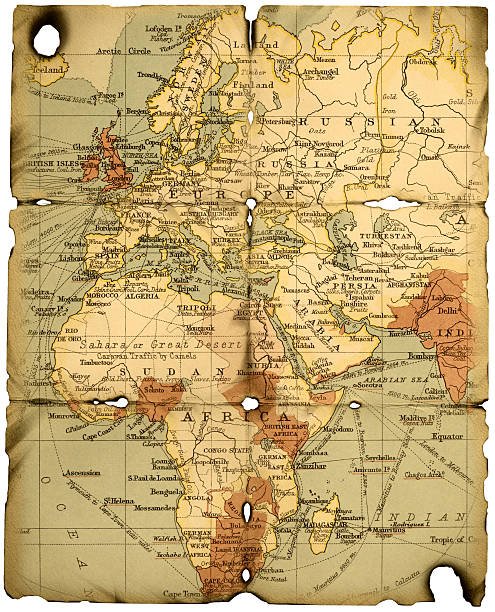
Yes, Africa largely gained political independence from colonial powers, primarily between the late 1950s and mid-1970s. This process, known as
African decolonization
, was a monumental shift that saw nearly all African nations transition from European colonial rule to self-governance. However, the nature and depth of this independence are complex, extending beyond mere political sovereignty to encompass economic, social, and cultural autonomy, which remains an evolving journey for many countries across the continent.
The Roots of Subjugation: Understanding Colonialism in Africa
To truly understand
did Africa gain independence
, one must first grasp the depth of its colonization. The late 19th century witnessed the infamous
Scramble for Africa
, where European powers arbitrarily divided the continent among themselves without regard for existing ethnic, linguistic, or cultural boundaries. This era, cemented by the Berlin Conference of 1884–1885, led to widespread European control, transforming Africa into a network of colonies.
Colonial rule was characterized by:
- Economic Exploitation: African resources (minerals, cash crops) were extracted for European industries, stifling local industrial development.
- Political Disempowerment: Indigenous political systems were dismantled, replaced by European administrative structures that often relied on indirect rule.
- Social and Cultural Disruption: Colonial education systems, languages, and religions were imposed, often at the expense of local traditions and identities.
- Arbitrary Borders: The artificial borders drawn by colonial powers led to lasting ethnic tensions and conflicts in
post-colonial Africa
.
The Winds of Change: Factors Driving African Independence Movements
The path to
African nations sovereignty
was paved by a confluence of internal and external forces:
Internal Drivers: The Rise of African Nationalism
Within Africa, the seeds of resistance were sown early and grew steadily:
- Emergence of Educated Elites: Africans educated in colonial or European institutions returned with ideas of self-determination, democracy, and
Pan-Africanism
, becoming instrumentalAfrican leaders
of independence movements. Figures like Kwame Nkrumah of Ghana and Jomo Kenyatta of Kenya exemplify this. - Mass Mobilization: Nationalist parties and trade unions successfully galvanized ordinary people, turning widespread discontent into organized political action.
- Armed Resistance: In many regions, notably against Portuguese rule, armed struggles and guerrilla warfare played a crucial role in forcing colonial powers to concede.
- Cultural Renaissance: A renewed appreciation for African heritage and identity fueled calls for self-rule.
External Catalysts: A World in Transition
The global landscape post-World War II significantly weakened colonial powers and strengthened calls for decolonization:
- Weakened European Powers: Britain, France, and other colonial masters were economically and militarily exhausted by World War II, making it difficult to maintain vast empires.
- Cold War Dynamics: The United States and the Soviet Union, vying for global influence, often supported decolonization efforts, viewing them as opportunities to expand their respective ideologies and alliances.
- United Nations Advocacy: The UN Charter’s principle of self-determination provided a powerful international platform for anti-colonial movements.
- Asian Independence Precedent: The independence of India and other Asian nations post-WWII set a powerful example for African colonies.
The Wave of Decolonization: Key Periods and Milestones
The
decolonization process
in Africa unfolded in distinct phases, though the early 1960s saw the most dramatic surge:
The First Wave: Ghana Leads the Way (1957)
Ghana, under the leadership of Kwame Nkrumah, became the first Sub-Saharan African nation to gain independence from British rule in 1957. This event sent ripples of hope and inspiration across the continent, proving that
African independence
was not only possible but imminent.
The 1960s: The Year of Africa and Beyond
The year 1960 is often referred to as the “Year of Africa,” as 17 African nations achieved independence. This decade saw a rapid succession of countries gaining sovereignty:
| Colonial Power | Key Nations Gaining Independence (Examples) | Notable Leaders/Movements |
|---|---|---|
| Britain | Nigeria (1960), Kenya (1963), Tanzania (1961) | Jomo Kenyatta (Kenya), Julius Nyerere (Tanzania) |
| France | Senegal (1960), Côte d'Ivoire (1960), Algeria (1962) | Léopold Senghor (Senegal), FLN (Algeria) |
| Belgium | Congo (Leopoldville) (1960) | Patrice Lumumba |
Later Independencies: Prolonged Struggles
Some nations endured longer, often violent struggles for independence:
- Portuguese Colonies: Angola, Mozambique, and Guinea-Bissau fought protracted liberation wars, finally achieving independence in 1975 after the Carnation Revolution in Portugal.
- Southern Africa: Rhodesia (Zimbabwe) gained majority rule in 1980, and Namibia achieved independence from South Africa in 1990. South Africa itself dismantled apartheid in 1994, marking the end of direct white minority rule on the continent.
The Complex Aftermath: Challenges of Post-Colonial Africa
While
African nations
achieved political sovereignty, the legacy of
colonialism in Africa
left deep structural challenges that continue to affect the continent's development and the true meaning of its
economic independence Africa
.
Political Instability and Governance
The arbitrary colonial borders often encompassed diverse ethnic groups, leading to internal conflicts and civil wars post-independence. Many nascent democracies struggled, leading to:
- One-Party States: Many leaders consolidated power, believing it was necessary for national unity, but often leading to authoritarianism.
- Military Coups: Frequent military interventions destabilized governments.
- Ethnic and Regional Strife: Competition over resources and power often manifested along ethnic lines, exacerbated by colonial policies of 'divide and rule'.
Economic Dependence and Neocolonialism
Despite political freedom, many African countries found themselves locked into economic patterns set by colonialism. This phenomenon, often termed
neocolonialism Africa
, describes the continued economic dominance by former colonial powers and other developed nations:
- Reliance on Raw Materials: African economies remained heavily dependent on exporting unprocessed raw materials, making them vulnerable to global commodity price fluctuations.
- Lack of Industrialization: Colonial policies had discouraged local manufacturing, leaving a weak industrial base.
- Debt Burden: Many new nations borrowed heavily for development projects, often leading to crippling national debt.
- Unequal Trade Relationships: Trade agreements often favored developed nations, hindering African economic growth.
Social and Cultural Challenges
The
legacy of colonialism
also impacted social structures and cultural identity:
- Education Systems: Colonial education prioritized European languages and history, often neglecting indigenous knowledge and languages.
- Healthcare: Inadequate healthcare infrastructure inherited from colonial times persisted, struggling to meet population needs.
- Identity Crisis: The imposition of foreign cultures and languages often led to a struggle for national and individual identity. However, post-independence also saw a resurgence of efforts to reclaim and celebrate
African history
and diverse cultures.
Defining True Independence: An Ongoing Journey
The question of
did Africa gain independence
therefore extends beyond the ceremonial lowering of colonial flags and the raising of new national ones. While political sovereignty was undeniably achieved, the deeper goal of comprehensive self-determination – where nations have full control over their political, economic, social, and cultural destiny – remains an ongoing pursuit.
Contemporary Africa is characterized by:
- Growing Regional Integration: Bodies like the African Union (AU) work towards greater political and economic unity and conflict resolution.
- Economic Diversification: Many countries are striving to diversify their economies beyond raw material extraction, investing in manufacturing, technology, and services.
- Democratic Progress: While challenges persist, there have been significant strides in democratic governance, electoral processes, and citizen participation in many
African nations
. - Reassertion of Identity: There's a strong movement to promote African languages, arts, and philosophies, building a unique continental identity that respects its diverse heritage.
Conclusion
In conclusion,
Africa did gain independence
in a profound and irreversible political sense. The
African independence movements
successfully dismantled direct colonial rule, ushering in an era of self-governance. This monumental achievement, however, marked the beginning, not the end, of a complex journey.
Post-colonial Africa
continues to grapple with the deep-seated legacies of its colonial past, from economic dependencies to internal political challenges. Yet, the continent's resilience, its vibrant cultures, and its continuous pursuit of true autonomy and sustainable development underscore that the spirit of independence is not just a historical event, but an active, evolving force shaping the future of Africa.
Enjoyed this read?
Share it with your friends and colleagues.