Did Africa Invade Sicily

BSC Insights Admin
October 01, 2026
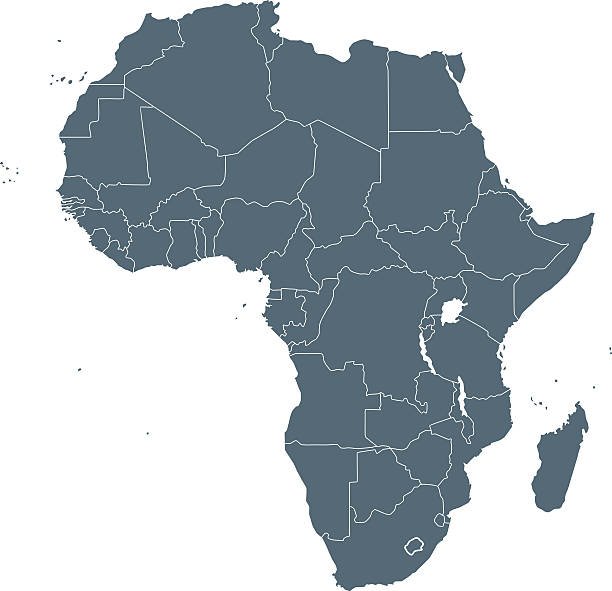
The question, “Did Africa invade Sicily?” can be answered with a qualified yes, recognizing the historical context that North African Islamic empires, not a modern unified African continent, launched significant and transformative conquests of Sicily starting in the 9th century. These invasions, primarily by Arab and Berber forces based in what is now Tunisia, led to over two centuries of Islamic rule, profoundly reshaping the island's culture, economy, and society.
Sicily's Strategic Importance Before the Invasions
Before the arrival of forces from North Africa, Sicily held immense strategic value, acting as a vital crossroads in the Mediterranean. For centuries, it had been a prized possession for various empires, including the Romans and, most recently, the Byzantine Empire (Eastern Roman Empire).
- Byzantine Rule: By the early 9th century, Sicily was a well-established province of the Byzantine Empire. It was a rich agricultural land and a crucial naval base, protecting the empire's western flank and trade routes.
- Geographic Position: Its central location made it an attractive target for any power seeking dominance in the Mediterranean. For the burgeoning Islamic caliphates in North Africa, Sicily represented a natural next step in their westward expansion, offering both resources and a base for further projection of power.
- Internal Strife: The Byzantine administration in Sicily was often plagued by internal rebellions and conflicts, which occasionally weakened its defenses and made it vulnerable to external attacks. One such rebellion, led by the Byzantine commander Euphemius, is often cited as the catalyst for the direct invitation of North African Muslim forces.
The North African Conquest of Sicily: The Aghlabid Era
The Muslim invasion of Sicily began in earnest in 827 AD. The primary invaders were the Aghlabids, an Arab dynasty that ruled Ifriqiya (modern-day Tunisia and parts of Algeria and Libya) as semi-independent emirs under the nominal suzerainty of the Abbasid Caliphate.
The Initial Invasion and Expansion
The campaign was initiated when Euphemius, a Byzantine commander facing rebellion and a death sentence, sought aid from the Aghlabid Emir Ziyadat Allah I. He offered to recognize Aghlabid sovereignty over Sicily in exchange for military support. This provided the pretext for a full-scale invasion.
- Landing at Mazara: In 827, a large Aghlabid fleet, led by the esteemed jurist Asad ibn al-Furat, landed at Mazara del Vallo on the western coast of Sicily. The initial forces comprised a diverse group of Arabs, Berbers, and other converts from North Africa.
- Slow but Steady Progress: Unlike some swift conquests, the Arab conquest of Sicily was a protracted and difficult affair, lasting over 75 years. The Byzantines, despite their internal issues, put up fierce resistance.
- Fall of Palermo (831 AD): Palermo, a major Byzantine stronghold, fell after a year-long siege. It subsequently became the capital of Islamic Sicily, known as Balarm, and flourished under Muslim rule.
- Siege of Syracuse (878 AD): Syracuse, another key Byzantine city, resisted for decades but eventually fell after a brutal nine-month siege. Its capture marked a significant turning point, effectively cementing Muslim control over much of the island.
Key Motivations for the Invasion
The North African conquest of Sicily was driven by a combination of factors:
- Strategic Expansion: Gaining control of Sicily would secure the Strait of Messina, protect North African trade routes, and open new avenues for expansion into mainland Italy.
- Economic Prosperity: Sicily was famed for its fertile lands, producing grain, olives, and wine. Control of these resources would greatly enrich the Aghlabid treasury.
- Jihad: As a religiously motivated state, the Aghlabids also viewed the conquest as part of their broader mission to expand the Dar al-Islam (House of Islam).
- Political Stability: Successful foreign campaigns could help solidify the Aghlabid emirs' authority and distract from internal dissent within Ifriqiya.
Sicily Under Islamic Rule: A Period of Transformation
For over two centuries, from the mid-9th to the late 11th century, Sicily experienced significant social, economic, and cultural changes under Islamic governance. This era is often referred to as a golden age for the island, marked by advancements and prosperity.
Economic and Agricultural Revolution
The Islamic rule in Sicily brought about profound changes in agriculture and the economy.
- Advanced Irrigation: Muslim engineers introduced sophisticated irrigation techniques from the Middle East, including qanats and norias (water wheels), which dramatically increased agricultural output.
- New Crops: They introduced a variety of new crops that became staples, including citrus fruits (oranges, lemons), sugarcane, cotton, dates, mulberries (for silk production), and pistachio nuts. These crops transformed the Sicilian landscape and diet.
- Trade and Commerce: Sicily became a vibrant hub for trade, connecting North Africa, the Middle East, and Europe. Its ports bustled with goods, and Palermo emerged as one of the Mediterranean's wealthiest and most populous cities.
- Manufacturing: Industries such as textiles (silk, cotton), paper, and ceramics also flourished.
Cultural and Intellectual Flourishing
The arrival of North African scholars, artisans, and administrators led to a vibrant intellectual and artistic environment.
- Learning and Scholarship: Madrasas (colleges) were established, and cities like Palermo became centers of learning, attracting scholars in philosophy, mathematics, astronomy, and medicine. Arabic became the language of administration, scholarship, and high culture.
- Architecture and Urbanism: Islamic architectural styles influenced public buildings, mosques, and private residences. Palermo, in particular, was renowned for its beautiful gardens, palaces, and over 300 mosques.
- Religious Tolerance: While Islam was the dominant religion, Christians and Jews were generally afforded protected status (Dhimmi), allowing them to practice their faiths, often in exchange for a special tax (jizya). This relative tolerance contributed to the island's stability and cosmopolitan character.
Shifts in Dynastic Rule
While the Aghlabids initiated the conquest, their power waned. By the mid-10th century, the Fatimids, a powerful Isma'ili Shi'ite dynasty that had overthrown the Aghlabids in Ifriqiya, took control of Sicily. The Fatimids, who later established their caliphate in Egypt, continued to govern Sicily through local emirs, further integrating it into the broader Islamic world.
The Norman Conquest and the End of Islamic Rule
The Islamic era in Sicily eventually came to an end with the arrival of the Normans, a group of Viking descendants who had established a powerful duchy in northern France before expanding into Southern Italy. Their conquest of Sicily was another long and arduous process.
The Norman Invasion
Led by brothers Robert Guiscard and Roger I (Roger Bosso), the Normans began their systematic conquest in 1061.
- Internal Divisions: By the 11th century, Muslim Sicily was fractured by internal strife among various local emirs, making it vulnerable to external attacks.
- Battle of Cerami (1063): A pivotal Norman victory, significantly weakening Muslim resistance.
- Fall of Palermo (1072): Roger I captured Palermo, a symbolic and strategic blow to Muslim power. However, large Muslim populations remained, and resistance continued in the interior.
- Final Subjugation (1091): The last Muslim strongholds, like Noto, fell, completing the Norman conquest and bringing two centuries of Islamic rule in Sicily to an end.
The Arab-Norman Culture: A Unique Legacy
Despite ending Muslim political rule, the Normans were remarkably pragmatic. They recognized the administrative, economic, and cultural advancements brought by the Muslims. Rather than eradicate the existing structures, they often integrated them into their new kingdom.
- Multicultural Administration: The Norman court of Palermo became a trilingual hub, with Arabic, Latin, and Greek used in administration. Muslim administrators, scholars, and artisans continued to play vital roles.
- Architectural Fusion: The most striking legacy is the unique Arab-Norman architecture. Churches and cathedrals, such as the Cappella Palatina in Palermo or the Cathedral of Monreale, showcase a breathtaking fusion of Norman, Byzantine, and Islamic artistic elements, including intricate mosaics, muqarnas ceilings, and Arabic calligraphy.
- Continued Cultural Influence: Arabic influences persisted in Sicilian language (many words of Arabic origin), cuisine (e.g., pasta with sardines, ice cream, marzipan), and agricultural practices for centuries.
The Enduring Legacy of North African Influence
The query, “Did Africa invade Sicily?” leads us to acknowledge a profound historical transformation. The invasions by forces from North Africa were not merely military conquests; they were catalysts for a lasting cultural, economic, and demographic impact that continues to shape Sicily's identity.
Long-Term Impacts
The effects of this period are still tangible today:
- Language: Hundreds of Sicilian dialect words have Arabic roots, particularly those related to agriculture, water management, and daily life.
- Cuisine: Many iconic Sicilian dishes and ingredients, from arancini to cassata and various sweets, have clear connections to Arab culinary traditions and introduced ingredients.
- Architecture: The island's rich architectural heritage, particularly in Palermo, Cefalù, and Monreale, proudly displays the intricate blend of Islamic and other styles.
- Demographics and Genetics: While complex, some studies suggest a genetic legacy of North African migration, reflecting the significant population movements during the Islamic period.
- Identity: Sicily's identity as a bridge between Europe and Africa, East and West, was forged in large part during these centuries of diverse influences.
Conclusion
In summary, while the notion of a unified 'Africa' invading Sicily is an anachronism, powerful Islamic caliphates and dynasties based in North Africa did indeed conquer and rule Sicily for over two centuries. This Arab conquest of Sicily, primarily by the Aghlabids and later the Fatimids, initiated a transformative era that brought significant advancements in agriculture, economy, science, and art. The period of Islamic rule in Sicily left an indelible mark on the island, contributing to its unique multicultural identity, and fostering a syncretic 'Arab-Norman' culture that blended elements from diverse civilizations. The historical evidence overwhelmingly points to a profound and enduring North African influence that makes Sicily one of the most culturally rich and complex regions in the Mediterranean.
Enjoyed this read?
Share it with your friends and colleagues.