Did Africa Invent Braids

BSC Insights Admin
October 01, 2026
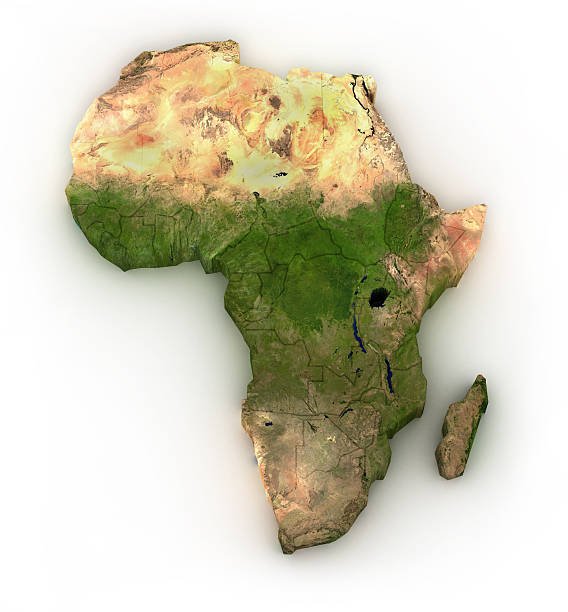
When asking, “Did Africa invent braids?” the answer is complex, but one thing is undeniable: the African continent boasts some of the most ancient, diverse, and culturally significant braiding traditions in human history. While simple forms of hair intertwining may have appeared independently across various ancient cultures worldwide, Africa's role in the origin of braiding, its continuous evolution, and its profound cultural significance is unparalleled and deeply rooted. African societies have utilized braids for millennia not just as a hairstyle, but as a powerful visual language communicating status, age, identity, and spirituality.
The Ancient Roots of Braiding in Africa
The history of braids stretches back thousands of years, with archaeological evidence pointing to their widespread presence in Africa long before many other parts of the world. Evidence suggests that braiding was common in Africa as far back as 3500 BC, if not earlier. From cave paintings to ancient sculptures and artifacts, the visual record confirms that intricate braided hairstyles were a cornerstone of ancient African hairstyles.
Early Evidence and Civilizations
- Neolithic Era (circa 5000 BC): Some of the earliest depictions of braided hair can be traced to rock art in regions now part of modern-day North Africa, illustrating ancient communities with braided coiffures.
- Ancient Egypt: Mummified remains and hieroglyphs from Ancient Egypt (circa 3100 BC – 30 BC) show a sophisticated understanding of hair care and styling, including various braided looks. Wigs made from human hair, often intricately braided, were common among both royalty and commoners.
- West African Civilizations: Cultures like the Nok civilization in present-day Nigeria (circa 1000 BC – 300 AD) left behind terracotta sculptures depicting figures with elaborate braided and twisted hairstyles, emphasizing the significance of hair in their societies.
- Southern Africa: The Himba people of Namibia, whose distinctive Otjize-coated braids (dreadlocks made with a mixture of butterfat, ochre, and herbs) are famous today, trace their traditions back through centuries, demonstrating a continuous lineage of complex braiding.
These examples illustrate that African hair braiding was not a singular invention but a diverse set of practices that evolved independently within numerous distinct ethnic groups and civilizations across the continent. Each region and tribe developed unique braiding techniques and styles, often imbued with specific meanings.
Braids as a Cultural Language: More Than Just Hair
In many traditional African societies, hair was, and still is, revered as a sacred part of the body, often considered a channel for divine communication. The act of braiding was, therefore, not merely aesthetic; it was a deeply social, ritualistic, and symbolic practice. The cultural significance of braids in Africa is immense, serving as a powerful visual communication tool.
What Braids Communicated:
- Social Status and Rank: Intricate or specific braiding patterns could signify royalty, wealth, or leadership within a community.
- Age and Life Stage: Different styles often marked transitions from childhood to adolescence, marriage, or elder status. For example, specific braids might be worn only by unmarried women, new brides, or mothers.
- Ethnic and Tribal Identity: Braids served as a clear identifier of one's tribe or ethnic group. A person's hairstyle could instantly tell others where they came from and their background.
- Religion and Spirituality: Certain braided styles were worn during religious ceremonies or to signify a spiritual connection. The braiding process itself could be a spiritual bonding experience between the braider and the individual.
- Marital Status: In some communities, the way a woman wore her braids could indicate whether she was single, married, widowed, or seeking a partner.
- Wealth and Power: The time, skill, and resources required for elaborate styles often indicated a person's ability to afford such luxurious care.
The communal aspect of braiding was also vital. It was often a social event where women gathered, shared stories, and passed down knowledge, strengthening community bonds. This tradition continues in many parts of Africa today.
Africa's Unique Contribution: Why Braids Thrive on the Continent
While various cultures globally have embraced forms of braiding, Africa's contribution stands out due to several factors:
1. Hair Texture and Versatility
The natural texture of many African hair types, particularly tightly coiled or kinky hair, is inherently suited for braiding. This hair texture holds braids exceptionally well, allowing for highly complex, long-lasting, and protective styles that might not be as feasible or durable on other hair types without significant manipulation or product use. This natural aptitude facilitated the early development and extensive proliferation of sophisticated braiding techniques.
2. Continuous and Unbroken Traditions
Unlike some regions where ancient braiding practices waned or were replaced, many African braiding traditions have been continuously practiced and evolved over millennia. This unbroken lineage has led to an incredible diversity and sophistication in hair braiding techniques.
3. The "Protective Style" Aspect
Many African braiding styles naturally function as protective styles, shielding the hair from environmental damage, reducing breakage, and promoting growth. This practical benefit contributed to their longevity and widespread adoption, especially in varied climates across the vast continent.
A Global Look: Braiding Traditions Beyond Africa
It's important to acknowledge that the concept of intertwining hair isn't exclusively African. Forms of braiding have been found in other ancient cultures, suggesting that the basic idea of plaiting hair might have arisen independently in different parts of the world.
For instance:
- Europe: Evidence from Neolithic Europe, including bog bodies like the 'Girl from Yde' (circa 50 BC – 50 AD) found in the Netherlands, show braided hair. Viking women were also known for their intricate braids.
- Asia: Some ancient Asian cultures, particularly in regions like China and India, featured braided hairstyles, often with elaborate adornments, though perhaps not with the same breadth of cultural communication as in Africa.
- Indigenous Americas: Native American tribes across North and South America have long-standing traditions of braiding hair, often signifying tribal identity, marital status, or spiritual beliefs.
However, the sheer antiquity, variety, and the profound depth of cultural heritage associated with braids on the African continent set its contribution apart. The question isn't whether *any* other culture braided, but rather the extent to which Africa developed, diversified, and imbued braiding with such immense societal importance.
Evolution of Iconic African Braiding Styles
Over centuries, African creativity has given birth to an astonishing array of types of braids, many of which are globally recognized and imitated today. These styles are a testament to the continent's enduring legacy in hair artistry.
| Braid Type | Origin/Historical Context | Key Characteristics |
|---|---|---|
| Cornrows (Ghana Braids/Cane Rows) | Ancient Africa, with depictions dating back to 3000 BC in North Africa and the Caribbean. Name derived from patterns resembling cornfields. | Braids lie very close to the scalp, forming raised rows. Can be straight back or intricate patterns. Often a protective style. |
| Box Braids | Long history across various African cultures, popularized globally in the late 20th century. | Individual braided sections, often starting from a square (box) base. Can be thin or thick, long or short, usually with extensions. |
| Fulani Braids | Originating from the Fulani people of West Africa. | Characterized by a central braid, braids on either side of the temples, often adorned with beads or cowrie shells, and sometimes a few braids running from back to front. |
| Senegalese Twists | From Senegal, West Africa. | A two-strand twist rather than a three-strand braid, typically done with hair extensions for added length and fullness. |
| Knotless Braids | A modern iteration of box braids. | Hair extensions are fed into the natural hair gradually, creating a seamless, less tension-heavy braid at the root compared to traditional box braids. |
These styles, among countless others, not only demonstrate the aesthetic versatility of ancestral braiding but also the innovation that continues to drive African hair culture. Each style often carries specific historical, cultural, or social connotations within its originating community.
The Enduring Legacy and Global Impact of African Braids
The legacy of African braiding extends far beyond the continent's borders. During the transatlantic slave trade, braids became a symbol of resistance, communication, and survival. Enslaved Africans braided rice and seeds into their hair to nourish themselves or mark escape routes, preserving their culture and history in secret. This act transformed braids into a potent emblem of resilience and identity in the diaspora.
Today, African hair braiding continues to thrive and influence global fashion and beauty trends. From high fashion runways to everyday street style, braids are celebrated for their beauty, versatility, and protective qualities. However, it is crucial to approach this global appreciation with respect for the origin and cultural heritage these styles represent. Understanding the deep history and significance of braids helps foster appreciation over appropriation.
The increasing visibility of braids in mainstream media and society also contributes to a broader understanding and celebration of diverse beauty standards and natural hair. This movement reinforces braids not just as a hairstyle, but as a powerful statement of identity, history, and pride for people of African descent worldwide.
Conclusion
While the act of interweaving hair may have occurred in isolated instances globally, Africa’s role in the invention of braids is undeniable in terms of its profound antiquity, unparalleled diversity, continuous evolution, and deep-seated cultural significance. The continent did not just 'invent' braids in a singular moment; it fostered a rich, dynamic, and ever-evolving tradition of hair artistry that communicated identity, status, spirituality, and beauty for thousands of years. From the earliest cave paintings to modern-day protective styles, African communities have consistently pioneered, innovated, and celebrated the art of braiding, leaving an indelible mark on human culture and hair history worldwide. The question, Did Africa invent braids, ultimately highlights Africa as the primary cradle for the most diverse, enduring, and culturally rich braiding traditions known to humanity.
Enjoyed this read?
Share it with your friends and colleagues.