Did Africa Join Brics

BSC Insights Admin
October 07, 2026
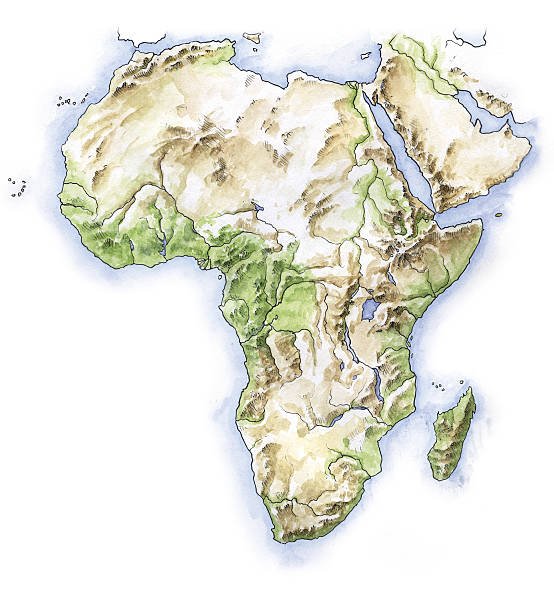
Yes, Africa has indeed joined BRICS, with South Africa being a long-standing member and Egypt and Ethiopia formally acceding to the expanded bloc in January 2024. The inclusion of these significant African economies marks a pivotal moment in the evolution of BRICS, transforming it from a five-member group (Brazil, Russia, India, China, South Africa) into a more diverse and globally representative economic and political forum.
This expansion underscores the growing influence of the Global South and reflects the increasing desire among developing nations to forge new alliances and reshape the international order. African membership in BRICS provides strategic avenues for enhanced trade, investment, and diplomatic cooperation, potentially offering an alternative to traditional economic and political partnerships.
Understanding BRICS: A Bloc for Emerging Economies
BRICS originated as an acronym in 2001 for Brazil, Russia, India, and China, coined by Goldman Sachs to identify rapidly growing emerging markets. South Africa joined in 2010, formally making it BRICS. The bloc was established to foster economic cooperation, promote sustainable development, and advocate for a more multipolar world order where the voices of developing nations are heard and respected.
Key pillars of BRICS cooperation include:
- Economic and Financial Collaboration: Facilitating trade, investment, and financial stability among member states.
- Political and Security Dialogue: Coordinating positions on global issues, promoting peace and security.
- People-to-People Exchanges: Fostering cultural, educational, and sports ties.
A significant achievement of BRICS is the establishment of the New Development Bank (NDB) in 2014, headquartered in Shanghai. The NDB aims to mobilize resources for infrastructure and sustainable development projects in BRICS countries and other emerging economies, offering an alternative to traditional Western-dominated financial institutions like the World Bank and IMF.
For African nations, aligning with BRICS means engaging with countries that collectively represent over 40% of the world's population, roughly 30% of the global GDP, and a significant portion of international trade. This presents immense opportunities for economic diversification, infrastructure development, and increased geopolitical leverage.
South Africa: Africa's Pioneering BRICS Member
South Africa became the first African nation to join BRICS in December 2010, officially participating in its first summit in 2011. Its inclusion was strategic, adding a geographically representative voice from the African continent and solidifying the 'S' in BRICS. South Africa was seen as a gateway to the broader African market, rich in natural resources and with a relatively diversified economy.
South Africa's membership brought several anticipated benefits:
- Increased Trade and Investment: Enhanced economic ties with major global players like China, India, and Brazil.
- Access to Development Finance: Opportunities to secure funding for infrastructure and development projects through the NDB.
- Political Influence: A strengthened voice on global platforms, advocating for African interests and issues facing the Global South.
- Technology Transfer: Potential for collaboration in areas of science, technology, and innovation.
Despite these advantages, South Africa's journey within BRICS has also presented challenges, including managing internal economic struggles while navigating the complex dynamics of a bloc with diverse national interests. Nevertheless, South Africa has consistently championed the inclusion of other African countries, demonstrating its commitment to strengthening the continent's collective influence within the group.
BRICS Expansion: Welcoming Egypt and Ethiopia
The 15th BRICS Summit in Johannesburg, South Africa, in August 2023, marked a historic turning point with the announcement of a significant expansion. Six new members were invited to join, including two prominent African nations: Egypt and Ethiopia. These countries formally became full members on January 1, 2024, alongside Argentina (which later declined), Iran, Saudi Arabia, and the United Arab Emirates.
Egypt's Rationale for Joining BRICS
Egypt, a major economic and political player in North Africa and the Middle East, sought BRICS membership for several compelling reasons:
- Strategic Geographic Location: Positioned at the crossroads of Africa, Asia, and Europe, with control over the Suez Canal, Egypt holds immense geopolitical importance.
- Economic Growth and Diversification: With a large and growing economy, Egypt aims to expand trade relations and attract investment from BRICS nations, particularly in sectors like manufacturing, infrastructure, and tourism.
- Access to NDB Funding: Like other members, Egypt stands to benefit from alternative development finance for its ambitious national projects.
- Enhanced Global Influence: Membership strengthens Egypt's standing in international forums and allows it to collaborate with like-minded developing nations on global governance reform.
- Food and Energy Security: BRICS cooperation can help address critical issues such as food and energy security, which are vital for Egypt's stability.
Egypt's participation bolsters BRICS's presence in the Mediterranean and North Africa, connecting the bloc to crucial trade routes and regional markets.
Ethiopia's Rationale for Joining BRICS
Ethiopia, the second most populous country in Africa and one of the continent's fastest-growing economies, also brings significant value to the expanded BRICS bloc:
- Demographic Dividend and Economic Potential: Ethiopia's large and youthful population, coupled with significant agricultural and manufacturing potential, offers new market and investment opportunities for BRICS members.
- Strategic Position in the Horn of Africa: Its stability and influence in a critical geopolitical region contribute to BRICS's broader strategic interests.
- Infrastructure Development Needs: Ethiopia has ambitious plans for infrastructure, energy, and industrial development, for which BRICS financing and expertise can be invaluable.
- South-South Cooperation: Ethiopia is a strong proponent of South-South cooperation, aligning perfectly with BRICS's founding principles.
- Diversifying Partnerships: The move allows Ethiopia to reduce reliance on traditional development partners and forge stronger ties with emerging global powers.
Ethiopia's accession amplifies BRICS's representation in East Africa, further diversifying the bloc's economic and geographical footprint across the continent.
African Nations in BRICS: A Snapshot
| African BRICS Member | Joining Date | Key Significance |
|---|---|---|
| South Africa | December 2010 (official 2011) | Gateway to Southern Africa, mineral wealth, advocate for African interests. |
| Egypt | January 2024 | Strategic Suez Canal, North African trade hub, large economy, cultural influence. |
| Ethiopia | January 2024 | Second most populous African nation, rapidly growing economy, Horn of Africa influence. |
Other African Nations Expressing Interest in BRICS
The appeal of BRICS membership extends beyond South Africa, Egypt, and Ethiopia. A significant number of other African countries have either formally applied or publicly expressed interest in joining the bloc, indicating a broader continental shift towards diversified international partnerships. These include nations like Algeria, Nigeria, Senegal, and Morocco, among others.
Their motivations are often similar to those of the current African members:
- Investment Opportunities: Seeking foreign direct investment (FDI) from BRICS nations to fuel economic growth and industrialization.
- Market Access: Gaining preferential access to the vast consumer markets of China, India, Brazil, and Russia.
- Development Finance: Accessing funding for critical infrastructure projects, energy initiatives, and social development through the NDB.
- Political Clout: Enhancing their diplomatic weight and advocating for a more balanced global order.
- Technological Collaboration: Partnering on technological advancements, digital transformation, and knowledge transfer.
The increasing interest from various African states highlights the continent's strategic re-evaluation of its alliances and its pursuit of greater autonomy in global economic and political affairs. While the criteria for BRICS membership are not always explicitly defined, factors such as economic size, geopolitical importance, regional leadership, and alignment with the bloc's cooperative principles are generally considered.
The Impact of African Membership on BRICS and the Global South
The inclusion of more African nations has profound implications for both the BRICS bloc and the broader Global South.
For BRICS:
- Enhanced Legitimacy and Representation: With South Africa, Egypt, and Ethiopia, BRICS now has stronger representation across different regions of Africa, bolstering its claim as a voice for the Global South.
- Increased Economic Power: The addition of new economies expands BRICS's collective market size, resource base, and production capacity, increasing its global economic leverage.
- Geopolitical Influence: Broader membership from strategically important regions strengthens BRICS's ability to influence international norms and institutions.
- Diversification of Agenda: New members bring diverse perspectives and priorities, enriching the bloc's discussions on global issues such as climate change, trade, and development.
For Africa:
- Greater Access to Development Finance: The NDB provides a crucial alternative source of funding for large-scale projects, reducing reliance on conditional loans from traditional Western institutions.
- Boost to Trade and Investment: African nations can deepen trade ties, attract more FDI, and potentially negotiate better terms of trade with major BRICS economies.
- Stronger Political Voice: Collective action within BRICS amplifies Africa's ability to advocate for its interests on the global stage, particularly in multilateral institutions.
- Technology Transfer and Capacity Building: Opportunities for collaboration in critical sectors can lead to knowledge transfer and skill development.
- Reduced Vulnerability: Diversifying economic and political partnerships can reduce dependency on any single bloc or country, enhancing resilience to global economic shocks.
The expanded BRICS offers a platform for African countries to collectively pursue their development goals and assert their sovereignty in a rapidly changing world order.
Challenges and Future Outlook
Despite the immense potential, the expansion of BRICS, particularly with African members, is not without challenges:
- Internal Cohesion: A larger, more diverse group may face difficulties in achieving consensus on key issues, given varying national interests and development priorities.
- Power Imbalances: Concerns persist about the dominance of larger economies like China and India within the bloc, potentially marginalizing the voices of smaller members.
- Implementation Gaps: Translating the ambitious goals of BRICS into concrete projects and benefits for all members requires robust institutional frameworks and sustained political will.
- Geopolitical Balancing Act: African BRICS members must skillfully navigate their relationships with traditional Western partners while deepening ties within the bloc, avoiding perception of 'choosing sides'.
- Economic Disparities: Significant economic differences among members could lead to uneven benefits or influence.
Looking ahead, the future of Africa within BRICS appears promising. Continued integration into the bloc could lead to deeper economic cooperation, including local currency trade, joint infrastructure projects, and enhanced collaboration on sustainable development goals. As BRICS continues to evolve, African nations are poised to play an increasingly central role in shaping its direction and contributing to a more balanced and equitable global economic and political landscape. The focus will remain on fostering inclusive growth, promoting multilateralism, and building a stronger collective voice for the Global South.
Conclusion
In conclusion, the question of whether Africa has joined BRICS can be definitively answered with a resounding yes, and with growing significance. South Africa has been a foundational member for over a decade, and the recent accession of Egypt and Ethiopia in 2024 marks a critical phase in the bloc's expansion and its engagement with the African continent. This expanded African presence within BRICS signifies a powerful shift towards a more multipolar world, offering African nations unprecedented opportunities for economic development, increased trade, access to alternative finance, and greater geopolitical influence. While challenges remain in navigating internal dynamics and maximizing benefits, African membership in BRICS is undeniably a pivotal development for the continent and the future of global cooperation.
Enjoyed this read?
Share it with your friends and colleagues.