Is Africa A Jungle

BSC Insights Admin
September 30, 2026
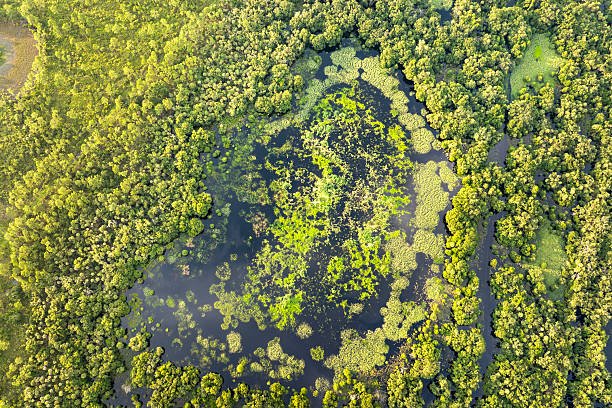
The question, “Is Africa a jungle?” is a common one, often stemming from popular media portrayals and historical narratives. The definitive answer is a resounding no. While Africa certainly contains some of the world's most significant rainforests, the continent's geography is astonishingly varied, encompassing a vast array of ecosystems far beyond just dense jungles. Understanding this diversity is crucial to truly appreciating Africa, a continent of unparalleled natural beauty, complex biomes, and rich cultural heritage.
This widespread misconception often reduces Africa to a single, monolithic environment, ignoring its incredible ecological tapestry. From scorching deserts to expansive savannas, snow-capped mountains to temperate coasts, Africa boasts an extraordinary range of natural habitats, each supporting unique flora, fauna, and human societies. Debunking the idea that Africa is solely a jungle is the first step towards a more accurate and respectful understanding of this magnificent landmass.
Debunking the Myth: Africa's True Geographic Tapestry
Africa is the world's second-largest continent, covering over 30 million square kilometers. To imagine such a massive landmass as a uniform jungle is to overlook the fundamental principles of geography and climate. The climate zones and African ecosystems are incredibly diverse, shaped by factors such as latitude, altitude, and proximity to oceans.
The perception of Africa as a jungle can be attributed to several factors, including early European exploration narratives that focused on specific dense forest regions, and later, Hollywood films that often stereotyped the continent. However, scientific observation and modern exploration clearly illustrate that tropical rainforests, while present and vital, constitute only one type of habitat among many others that make up the continent's stunning environmental mosaic.
The Vastness of Africa: A Continent of Extremes
To put Africa's size into perspective, it is large enough to fit the USA, China, India, Japan, and most of Europe combined within its borders. This immense scale naturally leads to a wide range of climates and geographical features. Therefore, to ask “Is Africa a jungle?” is akin to asking if Asia is just a desert, or Europe is just mountains. Each continent has its defining features, and Africa's defining feature is its incredible environmental variety.
Major Ecosystems and Biomes of Africa
Africa is home to a spectacular array of biomes, each with its distinctive characteristics and resident species. These types of environments in Africa are what truly define the continent's natural beauty and ecological significance.
1. Savannas and Grasslands
Perhaps the most iconic African landscape, savanna grasslands cover nearly half of the continent. These vast plains are characterized by tall grasses interspersed with scattered trees, primarily acacias and baobabs. They experience distinct wet and dry seasons, which dictate the rhythm of life for the countless animals that inhabit them. The African savanna is crucial for herbivores and carnivores alike, showcasing one of the planet's most dramatic wildlife spectacles.
- Location: East Africa (Serengeti, Maasai Mara), Southern Africa (Okavango Delta), West Africa.
- Climate: Hot, with seasonal rainfall; distinct dry and wet seasons.
- Iconic Wildlife: Lions, elephants, giraffes, zebras, wildebeest, cheetahs, leopards, buffalo.
The annual Great Migration in the Serengeti-Mara ecosystem, where millions of wildebeest and zebras traverse the plains in search of greener pastures, is a testament to the productivity and ecological importance of the African savanna. This epic journey is a prime example of nature's resilience and interconnectedness.
2. Deserts and Semi-Arid Regions
Contrary to the jungle stereotype, massive desert regions dominate significant portions of Africa. These arid and semi-arid lands are characterized by extreme temperatures, minimal rainfall, and highly specialized plant and animal life that have adapted to harsh conditions.
- The Sahara Desert: The world's largest hot desert, covering much of North Africa. It is a land of vast sand dunes, rocky plateaus, and sparse oases.
- The Kalahari Desert: A large, semi-arid sandy savanna in Southern Africa, often mistakenly called a true desert due to its sandy terrain, but it supports more vegetation and animal life than true deserts.
- The Namib Desert: Stretching along the Atlantic coast of Namibia and Angola, it is one of the oldest deserts in the world, famous for its towering sand dunes meeting the ocean.
Life in these regions, though seemingly barren, is surprisingly robust. Animals like Fennec foxes, addax, oryx, and various reptiles have evolved remarkable strategies to survive the extreme heat and lack of water. These desert regions are a critical part of Africa's diverse landscapes.
3. Tropical Rainforests
While not the entirety of Africa, tropical rainforests in Africa are a significant and incredibly important biome, primarily found in the equatorial regions. These are the environments that often fuel the misconception of Africa as a jungle. They are characterized by high rainfall, consistent warmth, and extraordinary biodiversity.
- The Congo Basin Rainforest: The second-largest rainforest in the world, covering parts of the Democratic Republic of Congo, Gabon, Cameroon, and other Central African nations. It is a critical global carbon sink and home to endangered species.
- West African Rainforests: Smaller, fragmented rainforests found along the coast of countries like Nigeria, Ghana, and Ivory Coast.
These dense forests are home to an incredible array of species, including gorillas, chimpanzees, okapis, forest elephants, and countless bird and insect species. The rich canopy layers provide unique habitats and contribute significantly to global biodiversity. However, even these vital rainforests do not cover the majority of the continent, proving that Africa is not just a jungle.
4. Mountains and Highlands
Africa is also dotted with impressive mountain ranges and high plateaus, which create their own distinct ecosystems. These elevated regions often experience cooler temperatures and higher rainfall than surrounding lowlands, leading to unique flora and fauna.
- Atlas Mountains: Stretching across Morocco, Algeria, and Tunisia in North Africa.
- Mount Kilimanjaro: Africa's highest peak, located in Tanzania, featuring diverse climatic zones from rainforest to alpine desert and permanent ice caps.
- Ruwenzori Mountains: Also known as the 'Mountains of the Moon,' on the border of Uganda and DR Congo, famous for their unique Afro-alpine vegetation.
- Ethiopian Highlands: A rugged mass of mountains in Ethiopia, often called the 'Roof of Africa,' home to endemic species like the gelada baboon and Ethiopian wolf.
These mountainous regions provide crucial habitats and water sources, contributing to the overall geography of Africa and its ecological richness.
5. Mediterranean and Coastal Regions
At the northern and southern tips of the continent, Africa experiences a Mediterranean climate, characterized by hot, dry summers and mild, wet winters. These areas support distinct types of vegetation, including shrubs, evergreen forests, and vineyards.
- Northern Coast: Parts of Morocco, Algeria, Tunisia, and Libya.
- Cape Region: The southwestern tip of South Africa, known for its unique Fynbos biome, one of the world's most biodiverse floral kingdoms.
Additionally, Africa boasts thousands of kilometers of coastline along the Atlantic and Indian Oceans, featuring diverse marine ecosystems, sandy beaches, mangrove forests, and coral reefs, further expanding the variety of African biomes.
The Impact of the "Jungle" Stereotype on Understanding Africa
The persistent stereotype that Africa is a jungle has profound negative implications. It contributes to a monolithic and often inaccurate view of a continent that is incredibly diverse in every sense – geographically, ecologically, culturally, and socially.
- Misrepresentation of Geography: It downplays the vastness and variety of Africa's diverse landscapes, from deserts and savannas to mountains and urban centers.
- Ignoring Cultural Diversity: By focusing solely on a 'wild' and 'untamed' jungle, the stereotype overlooks the thousands of distinct ethnic groups, languages, and rich histories of African civilizations. People live and thrive in all of Africa's diverse environments, not just cities.
- Economic and Development Implications: Such limited perceptions can influence foreign policy, investment, and tourism, potentially hindering the continent's development by presenting an incomplete or sensationalized picture.
- Reinforcing Colonial Narratives: The 'dark continent' and 'untamed jungle' tropes often have roots in colonial-era descriptions, which served to dehumanize and infantilize African societies.
Overcoming these common misconceptions about Africa is vital for fostering a more accurate and respectful global understanding of the continent's true nature.
Beyond Geography: Cultural and Human Diversity
Just as its geography is varied, so too is Africa's human and cultural landscape. The continent is home to an estimated 1.3 billion people, representing over 3,000 distinct ethnic groups and speaking more than 2,000 different languages. These cultures have developed in harmony with their surrounding environments, showcasing remarkable adaptability and ingenuity.
- Nomadic Pastoralists: Groups like the Maasai in East Africa thrive in savanna environments, herding livestock.
- Desert Dwellers: Tuareg people navigate the Sahara, relying on traditional knowledge to survive in arid conditions.
- Forest Communities: Indigenous groups in the Congo Basin have deep knowledge of their rainforest ecosystems.
- Coastal Civilizations: Rich trading cultures have flourished along Africa's coasts for millennia.
The vast range of human experiences across Africa directly reflects the continent's immense ecological variety. To consider Africa solely a jungle is to ignore this vibrant tapestry of human life and history.
Africa's Wildlife: Adapting to Diverse Habitats
The incredible African biodiversity is directly linked to its varied habitats. Animals have evolved specific adaptations to thrive in each distinct biome, further highlighting that the continent is far more than a single type of environment.
Consider the diversity of wildlife habitats in Africa:
| Habitat Type | Key Wildlife Examples | Adaptations |
|---|---|---|
| Savanna Grasslands | Lions, Giraffes, Zebras, Wildebeest | Speed for hunting/evading, long necks for browsing, migratory patterns. |
| Deserts | Fennec Fox, Addax, Camels, Scorpions | Nocturnal activity, efficient water conservation, specialized diets, burrowing. |
| Tropical Rainforests | Gorillas, Chimpanzees, Okapi, Forest Elephants | Arboreal locomotion, varied diets (fruits, leaves), camouflage in dense foliage. |
| Mountains & Highlands | Mountain Gorillas, Ethiopian Wolves, Klipspringer | Thicker fur, strong climbing abilities, specialized diets for high-altitude vegetation. |
| Coastal & Marine | African Penguins, Seals, Marine Turtles, Coral Fish | Swimming adaptations, salt gland excretion, specialized feeding habits. |
This table clearly demonstrates how different species thrive in specific environments, proving that no single habitat, such as a jungle, could possibly encompass the richness of Africa's animal kingdom.
Why the Misconception Persists
The idea that Africa is a jungle or largely a jungle persists for several reasons:
- Historical Narratives: Early European explorers often focused on the more impenetrable and 'exotic' aspects of the continent, including its dense forests, which then permeated popular literature and historical accounts.
- Media Portrayal: Hollywood films, documentaries, and even news reports sometimes selectively highlight specific wild or remote areas, inadvertently reinforcing a simplified and often sensationalized image.
- Lack of Education: Insufficient geographical education about Africa in many parts of the world means that stereotypes are not effectively challenged.
- Semantic Confusion: The term 'jungle' is sometimes used loosely to describe any wild, undeveloped area, rather than specifically a tropical rainforest.
Addressing these factors requires a concerted effort to provide accurate, nuanced information about the continent's true diversity. Understanding Africa's geography is key to this process.
Conclusion: Africa - A Continent of Unparalleled Diversity
In conclusion, the answer to “Is Africa a jungle?” is unequivocally no. Africa is a continent of extraordinary and breathtaking diversity, a magnificent tapestry woven from vast deserts, expansive savannas, towering mountains, diverse coastlines, and yes, also vital tropical rainforests. To reduce its complex geography to a single biome is to do a great disservice to its environmental richness, the resilience of its wildlife, and the vibrant tapestry of its human cultures. Understanding and appreciating Africa's diverse landscapes is essential for anyone seeking a true and comprehensive picture of this incredible continent, moving beyond simplistic stereotypes to embrace the full scope of its natural wonders and human ingenuity.
Enjoyed this read?
Share it with your friends and colleagues.