Is Africa Known As The Motherland

BSC Insights Admin
October 01, 2026
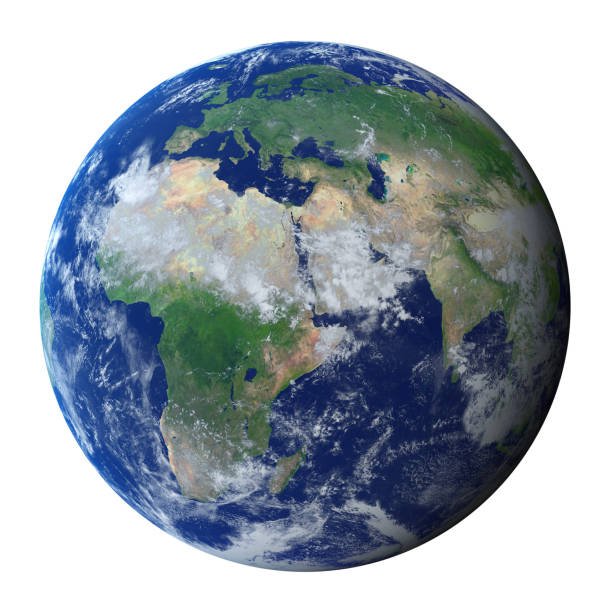
Is Africa Known As The Motherland? Unveiling Africa's Enduring Significance
Yes, Africa is widely known as the "Motherland", a term embraced by people globally, especially those of African descent. This powerful designation stems from a profound convergence of scientific evidence, historical lineage, and cultural reverence, affirming Africa's pivotal role as the birthplace of humankind and the foundational source of human civilization. The continent represents not just a geographical location but a deeply symbolic ancestral home, a cradle of life from which all modern humans ultimately trace their origins.
Understanding why Africa holds this sacred title involves delving into millions of years of human evolution, exploring the rich tapestry of its ancient empires, and recognizing the cultural movements that have sought to reconnect descendants with their ancestral roots. This article will explore the scientific, historical, and cultural reasons behind Africa's undisputed status as the Motherland, highlighting its significance and impact on global identity.
The Scientific and Historical Basis: Africa as the Cradle of Humankind
The primary and most scientifically robust reason for referring to Africa as the Motherland lies in its irrefutable status as the origin point of the human species. Decades of archaeological, paleontological, and genetic research have overwhelmingly supported the "Out of Africa" theory, cementing the continent's place as the cradle of humankind.
Out of Africa Theory: The Origin of Homo Sapiens
The Out of Africa theory posits that all modern humans (Homo sapiens) originated in Africa and subsequently migrated out of the continent to populate the rest of the world. This theory is not merely a hypothesis; it is backed by an extensive body of scientific evidence:
- Fossil Discoveries: East Africa, particularly regions within Ethiopia, Kenya, and Tanzania, has yielded an unparalleled wealth of early hominid fossils. Iconic discoveries such as "Lucy" (Australopithecus afarensis) found in Ethiopia, "Turkana Boy" (Homo erectus) from Kenya, and various specimens of early Homo sapiens like those found at Omo Kibish, Ethiopia, provide a continuous evolutionary record tracing human ancestry back millions of years within the African continent. These finds demonstrate a clear evolutionary progression that began and unfolded in Africa.
- Genetic Evidence: Mitochondrial DNA (mtDNA) and Y-chromosomal DNA studies have provided compelling genetic proof. By analyzing variations in the human genome, scientists have traced all modern human lineages back to a common ancestor (often referred to as "Mitochondrial Eve" and "Y-chromosomal Adam"), who lived in Africa approximately 150,000 to 200,000 years ago. The greatest genetic diversity among human populations is found in Africa, which is a strong indicator of it being the oldest population. This genetic diversity diminishes as one moves further away from Africa, a pattern consistent with successive migrations and founder effects.
- Archaeological Sites: Numerous archaeological sites across Africa provide evidence of early human tool-making, complex social structures, and symbolic thought, predating similar developments found elsewhere in the world. Sites like Blombos Cave in South Africa, with its evidence of early art and symbolic behavior, underscore Africa's role as a birthplace of human culture and innovation.
The convergence of these scientific disciplines leaves little doubt that the ancestral roots of all humanity are firmly planted in African soil.
Early Human Migration and Global Expansion
From their African origins, early Homo sapiens embarked on a series of migrations that eventually populated every continent on Earth. These incredible journeys, occurring over tens of thousands of years, saw small groups of humans venture out of Africa, adapting to new environments and evolving into the diverse populations we see today. The fact that every person on Earth shares a common lineage stemming from Africa makes the continent the literal and figurative Motherland for all humanity. Understanding these migration patterns reinforces the idea of a shared human origin and interconnectedness.
Cultural and Spiritual Significance of "Motherland"
Beyond the scientific evidence, the term "Motherland" carries immense cultural, emotional, and spiritual weight, particularly for the African diaspora. It symbolizes a reclamation of identity, a source of pride, and a spiritual connection to ancestral heritage.
Pan-Africanism and the Return to Roots
The concept of Africa as the Motherland gained significant traction and symbolic power through the Pan-African movement. Emerging in the late 19th and early 20th centuries, Pan-Africanism is an intellectual and political movement that aims to unify and uplift people of African descent worldwide. For millions forcibly removed from Africa through the transatlantic slave trade and colonization, the Motherland represents a profound connection to a stolen past and a future of collective liberation and self-determination.
- Reclaiming Identity: For the African diaspora, the Motherland is a powerful symbol of identity and belonging, fostering a sense of shared heritage despite geographical separation. Leaders and thinkers like Marcus Garvey, W.E.B. Du Bois, and Kwame Nkrumah championed the idea of a unified Africa and encouraged descendants to look to Africa as their ancestral home and source of strength.
- Cultural Revival: The Motherland concept inspired cultural revival movements, promoting African arts, languages, and spiritual practices among people of African descent globally. It was a defiant rejection of colonial narratives that sought to diminish Africa's history and contributions.
This movement instilled a deep sense of pride and a desire for connection, making Africa the spiritual and symbolic ancestral homeland for millions who sought to rediscover their roots.
The "Mother" Archetype and Africa's Nurturing Role
The term "Motherland" also evokes the universal archetype of a mother figure: a source of life, sustenance, wisdom, and comfort. Africa, in this sense, is seen as the nurturing origin from which all life and civilization sprung. It is celebrated not only as the origin of humanity but also as a birthplace of significant early civilizations, rich philosophical traditions, sophisticated agricultural practices, and innovative technologies that often predate those found elsewhere.
- Source of Civilization: Ancient African civilizations, such as those of Egypt, Nubia, Axum, and Great Zimbabwe, contributed significantly to global knowledge in mathematics, astronomy, architecture, and governance. These achievements underscore Africa's role as a profound wellspring of human ingenuity and development.
- Cultural Richness: Africa boasts an unparalleled diversity of languages, ethnic groups, artistic expressions, musical forms, and spiritual beliefs. This incredible cultural richness is a testament to the continent's enduring vitality and its role as a living, evolving source of human experience.
This metaphorical understanding reinforces the reverence for Africa as a nurturing and generative force in human history and culture, truly embodying the meaning of Motherland.
Symbolism in Art, Music, and Literature
Throughout history, and especially in modern times, artists, musicians, and writers have consistently used Africa as a symbol of the Motherland. From the spirituals and blues born out of the struggles of slavery, which often yearned for an imagined African home, to the reggae music of Bob Marley advocating for a return to Zion (often symbolizing Africa), the continent's presence as an ancestral home is pervasive.
Contemporary literature, film, and visual arts by African and diaspora artists continue to explore themes of identity, belonging, and the enduring connection to Africa. This constant artistic invocation solidifies Africa's status as the quintessential Motherland in the collective consciousness.
Addressing Nuances and Modern Interpretations
While the designation of Africa as the Motherland is widely accepted and celebrated, it's important to acknowledge certain nuances and modern interpretations to fully appreciate its depth.
Diversity Within Africa: More Than a Single Identity
It is crucial to remember that Africa is not a monolithic entity but an immense continent comprising 54 diverse countries, over 3,000 distinct ethnic groups, and more than 2,000 different languages. The term "Motherland" unites people by acknowledging a shared origin, but it does so while celebrating, rather than erasing, the incredible internal diversity of the continent. Recognizing Africa as the Motherland does not imply a single, homogenized African identity but rather a common source from which a multitude of rich and varied cultures have sprung.
"Motherland" vs. "Homeland": A Distinction
While often used interchangeably in some contexts, there's a subtle but significant distinction between "Motherland" and "homeland" when discussing Africa. A "homeland" typically refers to a specific country, region, or nation where one's family or people originate. For example, Nigeria might be a homeland for an Igbo person. "Motherland," when applied to Africa, encompasses the entire continent as the collective, ancestral source of humanity and the broader heritage of all people of African descent. It represents the ultimate ancestral home, transcending national borders within the continent.
Global Recognition and Usage
The term "Motherland" for Africa is recognized and used across various communities worldwide. It is particularly prevalent among African Americans, Afro-Caribbeans, and other communities in the diaspora who seek to forge a connection to their origins that were historically severed. However, its usage also extends to educational and scientific discourse, where Africa's role as the birthplace of humanity is universally acknowledged. This global recognition underscores the powerful and undeniable truth conveyed by the term.
Why This Recognition Matters
Acknowledging and celebrating Africa as the Motherland carries significant weight and importance for several reasons, impacting individuals and global understanding alike.
Fostering Pride and Identity
For individuals of African descent, the concept of Africa as the Motherland provides a powerful foundation for African identity and cultural pride. In the face of historical oppression, colonialism, and narratives that sought to dehumanize or diminish African contributions, embracing the Motherland serves as an affirmation of a rich, ancient, and glorious heritage. It empowers individuals to connect with a legacy of innovation, resilience, and profound cultural depth, fostering a strong sense of self-worth and belonging.
Promoting Understanding and Unity
Recognizing Africa as the Motherland also promotes a deeper understanding of human history for everyone. It highlights our shared origins, emphasizing that beneath the superficial differences of race and nationality, all humans are fundamentally connected through a common ancestral heritage stemming from Africa. This understanding can foster greater global empathy, encourage unity, and challenge divisive ideologies. Furthermore, it strengthens the bonds of solidarity among people of African heritage worldwide, promoting collective action for progress and justice.
Conclusion
In conclusion, the answer to the question, "Is Africa Known As The Motherland?" is an unequivocal yes, supported by compelling scientific, historical, and cultural evidence. Africa stands as the undisputed birthplace of humanity, the wellspring from which all modern human life and civilization emerged. Its significance as the cradle of humankind is validated by fossil records and genetic studies, while its role as a spiritual and cultural beacon for the African diaspora is solidified through movements like Pan-Africanism and continuous artistic expression.
The term "Motherland" transcends mere geography; it encapsulates a profound connection to origins, a rich heritage, and a powerful symbol of identity and pride for millions across the globe. Africa's enduring status as the Motherland is a testament to its foundational importance in the human story, a legacy that continues to inspire, educate, and unite.
Enjoyed this read?
Share it with your friends and colleagues.