Which Country Has Africa'S Largest Population

BSC Insights Admin
October 07, 2026
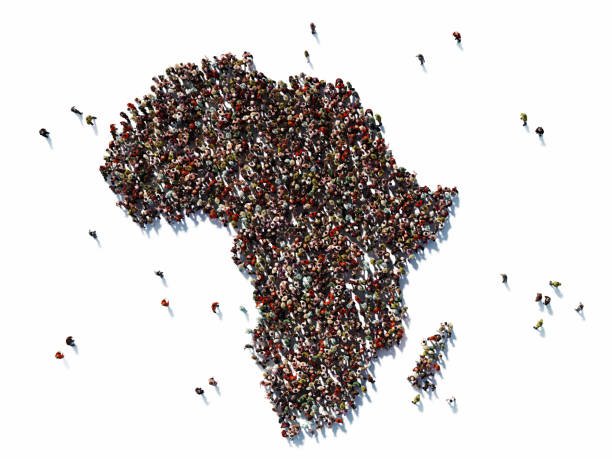
Nigeria is widely recognized as the country in Africa with the most people, currently sustaining a population that exceeds 220 million residents according to recent United Nations and World Bank estimates. This massive demographic presence makes Nigeria the most populous nation on the continent and the seventh most populous in the entire world. Understanding which country has Africa's largest population requires looking at Nigeria's rapid urbanization and consistently high fertility rates over the past few decades.
The demographic landscape of the continent is shifting rapidly due to high birth rates and improving healthcare outcomes in several regions. This article explores the top nations by headcount and the underlying factors that drive their significant numerical growth compared to their neighbors.
These are the Countries that have Africa's Largest Population
The distribution of people across the African continent is heavily concentrated in a few key nations that have seen explosive growth since the mid-twentieth century. While some regions remain sparsely populated due to geographical constraints like deserts or dense rainforests, others have become massive hubs of human activity and economic potential. The following list identifies the major players in terms of total residents and explains the specific demographic trends that define their current status in the global hierarchy.
1. Nigeria
Nigeria is the undisputed leader when discussing which country that has Africa's largest population, with a current estimate placing it well above the 220 million mark. Located in West Africa, this nation accounts for nearly one-sixth of the total population of the entire continent, a statistic that highlights its immense regional influence. The population is characterized by a very young median age, roughly 18 years, which suggests that the growth trajectory will continue to climb steeply in the coming decades. Major urban centers like Lagos have become some of the largest metropolitan areas in the world, attracting millions of people from rural areas in search of economic opportunity and modern services. Projections from global demographic experts suggest that by the year 2050, Nigeria could potentially surpass the United States to become the third most populous country globally. This growth is driven by cultural preferences for large families and a significant reduction in infant mortality rates over the last thirty years.
2. Ethiopia
Ethiopia holds the position of the second most populous nation on the continent, with a population recently estimated to be around 126 million people. As a landlocked country in the Horn of Africa, Ethiopia has managed to maintain high growth rates despite various internal challenges and environmental fluctuations. The government has focused heavily on agricultural productivity and industrialization, which has helped sustain a growing number of people in both the highlands and the expanding urban centers like Addis Ababa. Interestingly, Ethiopia is one of the few African countries that lead in population growth while also implementing aggressive national development strategies to harness its human capital. The demographic profile is similar to Nigeria’s, with a significant percentage of the population under the age of 25, creating a massive potential labor force for the future. As Ethiopia continues to develop its infrastructure, such as the Grand Ethiopian Renaissance Dam, the population's distribution is expected to shift more toward industrial hubs.
3. Egypt
Egypt is the most populous country in North Africa and the third largest on the continent, with a population currently exceeding 112 million people. Unlike many other nations, Egypt's population is intensely concentrated along the banks of the Nile River and the Delta region, where nearly all of its residents live on only about 4 percent of the total land area. This concentration makes Cairo one of the most densely populated cities on Earth, serving as a political, cultural, and economic magnet for the Arab world. Egypt has faced significant pressure to manage this growth, as the limited arable land makes food security a constant priority for the government in New Cairo. Despite efforts to encourage family planning, the birth rate remains high enough to ensure steady growth for the foreseeable future. The country acts as a bridge between Africa and the Middle East, and its large population gives it substantial geopolitical weight in both regions.
4. Democratic Republic of the Congo
The Democratic Republic of the Congo, or DRC, is the African country which holds the highest population record in Central Africa, with an estimated 102 million residents. It is the second-largest country by land area in Africa, and its population is spread across vast territories of rainforest, savannah, and mineral-rich highlands. The DRC has one of the highest fertility rates in the world, with an average of six children born per woman, leading to a population that doubles roughly every 20 to 25 years. Kinshasa, the capital city, has ballooned into a mega-city of over 15 million people, rivaling Lagos in its scale and complexity. While the country faces significant infrastructure deficits, its massive population represents a huge potential consumer market and labor pool. The demographic momentum in the DRC is so strong that it is expected to remain a top-five population leader for at least the next century.
5. Tanzania
Tanzania has emerged as a major demographic force in East Africa, with its population reaching approximately 67 million people in recent years. The country has maintained a stable political environment, which has facilitated steady social development and a consistent rise in the number of inhabitants. Tanzania's population is diverse, consisting of over 120 ethnic groups, and is relatively evenly distributed compared to some of its neighbors. Dar es Salaam serves as the commercial heartbeat of the nation and is one of the fastest-growing cities in the world, drawing people from all over the Great Lakes region. The government has invested in education and healthcare, which has contributed to longer life expectancies and a sustained natural increase in the population. As part of the East African Community, Tanzania’s large population plays a critical role in the regional economy and trade networks.
6. South Africa
South Africa is the most populous nation in the southern portion of the continent, with about 60 million people residing within its borders. Unlike many of the countries mentioned previously, South Africa has a much lower fertility rate and a more industrialized economy, which has led to a slower rate of natural population increase. However, it remains a primary destination for migrants from all over the continent, which contributes significantly to its total headcount and cultural diversity. The country has a very high level of urbanization, with the majority of people living in major hubs like Johannesburg, Cape Town, and Durban. South Africa’s demographic challenges are unique, as it deals with a dual economy and a complex history of spatial planning that still affects where people live today. Despite slower growth, it remains a dominant force in African demographics due to its economic sophistication and influence.
7. Kenya
Kenya is a key demographic and economic hub in East Africa, with a population estimated to be around 55 million people. The country has seen a significant shift in its demographic profile over the last two decades, with a notable decline in fertility rates as more women gain access to education and the workforce. Nevertheless, the population continues to grow because of a large cohort of young people entering their reproductive years. Nairobi, the capital, is a global tech and business hub that attracts a significant portion of the country's residents and international expatriates. Kenya's population is known for being highly literate and tech-savvy, which the government hopes to leverage through its "Silicon Savannah" initiatives. The rural-to-urban migration remains a defining feature of Kenyan demographics as people seek better-paying jobs in the city.
8. Uganda
Uganda is one of the youngest countries in the world, with a population of nearly 48 million people and a median age of only about 15.7 years. This extreme youth bulge is the result of decades of high fertility rates and improving child survival rates due to better immunization and nutrition programs. Uganda's population is heavily involved in agriculture, yet the urban population in Kampala and surrounding districts is growing at an unprecedented rate. The country has a high population density in the fertile crescent around Lake Victoria, making it one of the more crowded nations in the region. The government faces the significant task of creating enough jobs to satisfy the millions of young people who join the labor market every year. Uganda’s demographic story is one of transition and the search for a demographic dividend.
9. Algeria
Algeria is the largest country in Africa by land area and the second most populous in the North African region, with about 45 million people. Much like Egypt, the majority of the population is concentrated in the northern coastal regions near the Mediterranean Sea, while the vast Sahara Desert remains sparsely inhabited. Algeria has experienced a steady increase in its population since gaining independence, driven by improved living standards funded by its extensive oil and gas reserves. The government has historically provided significant social subsidies, which helped support large families in previous generations. In recent years, however, the growth rate has started to stabilize as urbanization and higher education levels among women have influenced family sizes. Algiers, the capital, remains the primary focal point for the country's demographic and economic life.
10. Sudan
Sudan rounds out the list with a population estimated at approximately 48 million, though accurate census data has been difficult to collect in recent years due to internal conflicts. Located at the crossroads of Sub-Saharan Africa and the Arab world, Sudan has a rich and complex demographic history. The population is primarily concentrated along the Nile River and in the agricultural heartlands of the central and eastern regions. Khartoum, the capital, is a major urban center that has grown rapidly as people flee instability in the peripheries or seek better economic prospects. Despite the challenges of civil unrest and economic sanctions, the natural birth rate in Sudan remains high. The country’s demographic future is closely tied to its ability to achieve political stability and harness its vast agricultural potential.
Reasons Why These Countries Have the Most People in Africa
1. Sustained High Fertility Rates: Many of the countries in Africa that have the largest populations maintain birth rates that are significantly higher than the global average. In nations like Nigeria and the DRC, it is common for families to have five or more children, driven by cultural traditions and the perceived economic security that a large family provides in agrarian societies. While these rates are beginning to decline in some urban areas, the rural populations continue to see high numbers of births each year.
2. Improvements in Basic Healthcare: The dramatic increase in the number of people across the continent is largely attributed to a significant drop in child mortality. Over the last forty years, many African countries have implemented successful vaccination programs and improved access to clean water, which means more children are surviving into adulthood. This shift has allowed the natural growth rate to skyrocket, as the number of births far exceeds the number of deaths annually.
3. Large Areas of Arable Land: Several of the most populous nations possess vast stretches of fertile land that can support large numbers of people through subsistence and commercial farming. Ethiopia and Nigeria, for example, have diverse climates and soil types that have historically allowed for the production of staple crops like teff, yams, and cassava. This food security, even at a basic level, has provided the foundational calories needed to sustain growing communities over centuries.
4. Rapid Urbanization and Migration: The concentration of people in certain countries is often fueled by the movement of people from rural areas into mega-cities. As cities like Lagos, Kinshasa, and Cairo grow, they become centers of trade that attract even more people from neighboring countries, further boosting the national headcount. This internal and cross-border migration is a key reason why certain nations have become demographic heavyweights compared to their smaller neighbors.
5. Cultural and Religious Influences: In many of the most populous African nations, there is a strong cultural and religious emphasis on the importance of lineage and large families. Both Islamic and Christian traditions in these regions often encourage procreation and view children as a blessing from God. These belief systems are deeply integrated into the social fabric, making family planning initiatives slower to take root than in other parts of the world.
6. A Significant Youth Bulge: Because these countries have had high birth rates for decades, they now possess a massive population of young people who are just entering their reproductive years. Even if these young adults choose to have fewer children than their parents, the sheer number of people starting families ensures that the population will continue to grow for several more generations. This momentum is nearly impossible to stop and guarantees that these nations will remain the most populous on the continent for the foreseeable future.
Conclusion
Determining which country has Africa's largest population leads us directly to Nigeria, a nation whose demographic scale influences the entire continent's economic and social trajectory. While other nations like Ethiopia and Egypt are also growing rapidly, the sheer volume of residents in Nigeria keeps it at the forefront of African demographics. As countries in Africa that have the largest populations continue to modernize, their challenge will be to provide education and jobs for their predominantly young citizens. Effectively managing this growth is essential for the future stability and prosperity of the continent as a whole. Ultimately, the story of Africa's population is one of immense human potential waiting to be fully realized through strategic development.
Enjoyed this read?
Share it with your friends and colleagues.