How Africa Looked Before Colonization

BSC Insights Admin
September 30, 2026
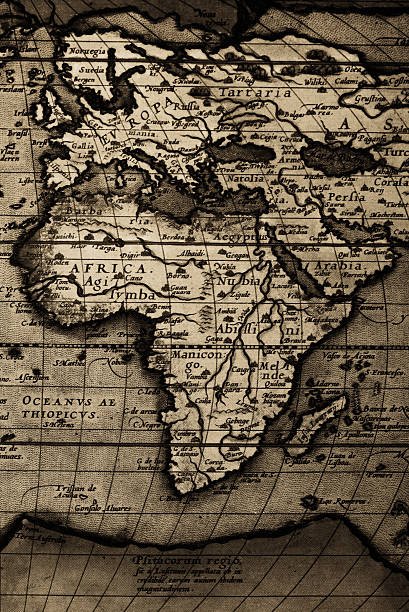
How Africa looked before colonization was a vibrant tableau of advanced civilizations, sophisticated political structures, thriving trade networks, and diverse cultural expressions. Far from being a 'dark continent,' Africa was home to powerful empires, innovative technologies, and rich intellectual traditions that flourished for centuries prior to significant European encroachment. The continent was a dynamic mosaic of independent states, kingdoms, and societies, each with its unique heritage, governance, and contributions to global history, challenging simplistic narratives often propagated by colonial perspectives.
Dispelling Common Myths about Pre-Colonial Africa
Before delving into the specifics, it's crucial to address and dismantle prevalent misconceptions regarding pre-colonial Africa. The idea that Africa was a land without history, without civilization, or without complex societal structures before Europeans arrived is a colonial fabrication. In reality, indigenous African societies were characterized by their ingenuity, adaptability, and profound understanding of their environments. They developed sophisticated systems of law, medicine, mathematics, and astronomy, often in ways distinct from European models but no less effective or advanced.
- Myth of a 'Dark Continent': This term falsely implied a lack of knowledge or progress. In truth, African societies maintained extensive oral and written histories, astronomical observations, and vibrant artistic traditions.
- Myth of Lack of Civilization: Major cities, advanced architecture, and complex state organizations existed across the continent, rivaling or surpassing many contemporaneous European developments.
- Myth of Stagnant Societies: African kingdoms were dynamic, evolving through trade, conquest, cultural exchange, and innovation, just like any other region of the world.
A Tapestry of Thriving Empires and Kingdoms
The vastness of Africa meant an incredible diversity of political entities. These ancient African kingdoms and empires demonstrated remarkable foresight in governance, economic management, and cultural development.
West African Empires: Gold, Learning, and Artistry
West Africa was particularly renowned for its powerful empires, largely built on the lucrative trans-Saharan trade routes. These states were centers of wealth, scholarship, and artistic innovation.
- The Ghana Empire (c. 300 – 1100 CE): Often called Wagadou, it was one of the earliest and most influential empires, controlling the trade of gold and salt. Its capital, Koumbi Saleh, was a bustling cosmopolitan center with distinct Muslim and non-Muslim quarters. The empire's sophisticated administration and military prowess ensured its prosperity for centuries.
- The Mali Empire (c. 1230 – 1600 CE): Succeeding Ghana, Mali rose to prominence under Sundiata Keita. It reached its zenith under Mansa Musa, whose legendary pilgrimage to Mecca in the 14th century showcased the empire's immense wealth. Cities like Timbuktu and Djenné became world-renowned centers of Islamic scholarship, housing vast libraries and universities that attracted scholars from across the globe.
- The Songhai Empire (c. 1464 – 1591 CE): After the decline of Mali, the Songhai Empire emerged as the dominant power in West Africa. Under rulers like Sonni Ali and Askia the Great, it expanded its territory and maintained the intellectual and economic traditions established by its predecessors, further solidifying its control over crucial trade routes.
- The Kingdom of Benin (c. 1180 – 1897 CE): Located in present-day Nigeria, Benin was famous for its exquisite bronze and ivory artworks, sophisticated city planning, and a highly centralized political system. The famous Benin Bronzes are a testament to the kingdom's artistic and metallurgical mastery.
East African City-States and Inland Kingdoms
East Africa’s history was shaped by its position on the Indian Ocean trade network, fostering a unique blend of African, Arab, and Asian cultures, alongside powerful inland states.
- The Aksum Kingdom (c. 100 – 940 CE): Located in modern-day Ethiopia and Eritrea, Aksum was a major naval and trading power, connecting the Roman Empire with India. It developed its own script (Ge'ez), minted its own coins, and was one of the first states in the world to adopt Christianity as its official religion, a legacy that continues to this day.
- The Swahili City-States (c. 800 – 1500 CE onwards): Along the coast, cities like Kilwa, Mombasa, Zanzibar, and Malindi flourished as independent trading hubs. They facilitated trade between inland Africa and the wider Indian Ocean world, exchanging gold, ivory, timber, and slaves for textiles, spices, and pottery. These city-states developed a distinctive Swahili language and culture, a fusion of Bantu and Arab influences.
- Great Zimbabwe (c. 1100 – 1450 CE): In Southern Africa, Great Zimbabwe stood as the capital of a powerful kingdom, renowned for its impressive stone architecture, particularly the Great Enclosure. This sophisticated state controlled a vast trading network that stretched from the interior gold fields to the Swahili coast.
Central and Southern African Kingdoms
These regions were home to resilient and highly organized societies that developed distinct political and economic systems.
- The Kongo Kingdom (c. 1390 – 1914 CE): Spanning parts of modern-day Angola and the Democratic Republic of Congo, Kongo was a highly centralized state with a sophisticated political structure and a powerful monarchy. It engaged in extensive trade in copper, ivory, and textiles, and maintained diplomatic relations with European powers even before full colonization.
- The Mutapa Empire (c. 1450 – 1902 CE): Emerging from the legacy of Great Zimbabwe, the Mutapa Empire controlled much of modern-day Zimbabwe and Mozambique. It was a major player in the gold trade, establishing a powerful and expansive state with a complex administrative system.
Economic Systems and Robust Trade Networks
Pre-European contact Africa was not economically isolated; it was deeply integrated into global trade. African economies were diverse, robust, and innovative, underpinned by sophisticated agricultural practices, skilled craftsmanship, and extensive commercial networks.
The Trans-Saharan Trade
For centuries, the Sahara Desert was not a barrier but a highway for trade. Caravans of camels traversed its vastness, connecting West Africa with North Africa, the Middle East, and Europe. Key commodities included:
- Gold: West Africa was a primary source of gold, fueling economies across the Mediterranean and beyond.
- Salt: Essential for preservation and nutrition, salt was often traded ounce for ounce with gold in some regions.
- Slaves: A tragic but undeniable part of this historical trade, individuals were traded for various goods and services, a practice common globally at the time.
- Textiles, Copper, Dates, and Manufactured Goods: These items also flowed in both directions, demonstrating a sophisticated exchange system.
The Indian Ocean Trade
Along the East African coast, the seasonal monsoon winds facilitated trade with Arabia, Persia, India, and even China. This maritime network brought immense wealth and cultural exchange to the Swahili city-states. Goods included:
- Ivory, Gold, Timber, Animal Skins, and Iron: Exported from the African interior.
- Silks, Spices, Porcelain, and Manufactured Goods: Imported from Asia.
Internal Trade and Local Economies
Beyond these major trans-continental routes, vibrant internal trade networks existed, facilitating the exchange of local produce, crafts, and resources. Agriculture was the backbone of most societies, with diverse crops adapted to various climates. Metalworking, particularly iron and copper, was highly advanced, producing tools, weapons, and intricate artworks. Indigenous African societies were self-sufficient and innovative in their economic approaches long before any external interference.
Societal Structures and Governance
The political and social landscapes of African societies before Europeans were incredibly varied, ranging from highly centralized empires to decentralized village communities, each with its own complex systems of governance, justice, and social order.
Complex Political Systems
Many African states developed sophisticated systems of government:
- Monarchies: Empires like Mali, Songhai, and Kongo had powerful monarchs supported by extensive bureaucracies, provincial governors, and standing armies.
- Confederations and Federations: Some societies formed alliances or federations, balancing central authority with local autonomy.
- Village Councils and Elder Rule: In many decentralized societies, governance was based on consensus-building through councils of elders, age-grade systems, or lineage heads, emphasizing collective decision-making and dispute resolution.
Advanced Legal and Judicial Frameworks
Justice systems were well-established, often incorporating elements of restorative justice, arbitration, and spiritual adjudication. Laws were based on customary practices, religious tenets (especially in Islamic regions), and royal decrees, ensuring social cohesion and order.
Social Hierarchies and Kinship Systems
While diverse, many societies featured clear social structures, often based on lineage, age, occupation, or status. Kinship played a fundamental role in identity, property rights, and social obligations. Gender roles, though varied, often saw women holding significant influence in economic, spiritual, and sometimes even political spheres.
Art, Culture, and Intellectual Achievements
The cultural richness of Africa before colonization is perhaps its most enduring legacy, manifesting in stunning art, profound oral traditions, and significant intellectual contributions.
Rich Artistic Expressions
African art was not merely decorative; it was deeply functional and spiritual. It encompassed a vast array of forms:
- Sculpture: From the ancient Nok terra cotta figures to the bronze heads of Ife and Benin, African sculptors demonstrated mastery in depicting human and animal forms, often for ritualistic or commemorative purposes.
- Masks: Used in ceremonies, festivals, and rites of passage, masks were powerful symbols embodying spirits, ancestors, or social roles.
- Textiles and Adornment: Intricate patterns and rich colors characterized African textiles, like the Kente cloth of the Ashanti, conveying status, history, and meaning. Jewelry and body adornment were also highly developed art forms.
- Architecture: Examples range from the impressive stone structures of Great Zimbabwe, the rock-hewn churches of Lalibela (Ethiopia), to the Grand Mosque of Djenné (Mali), showcasing ingenuity in construction and design using local materials.
Oral Traditions and Written Scholarship
While often overlooked by Eurocentric narratives, oral traditions were vital for preserving history, laws, genealogies, and cultural values. Griots in West Africa, for example, were highly respected custodians of oral history, poets, and musicians. Alongside this, significant written scholarship flourished in centers like Timbuktu, where thousands of manuscripts covered subjects from astronomy, mathematics, and medicine to philosophy, law, and theology.
Diversity and Adaptability: The True Face of Pre-Colonial Africa
One of the most striking characteristics of indigenous African cultures was their immense diversity and adaptability. The continent is home to thousands of languages and distinct ethnic groups, each with unique customs, beliefs, and ways of life. This diversity allowed for a rich exchange of ideas and technologies, enabling societies to adapt to varied environments, from the Sahara Desert to the rainforests and the savannas.
Whether pastoralists, agriculturalists, hunter-gatherers, or urban dwellers, African peoples developed sustainable practices and complex social structures tailored to their specific ecological niches. This adaptability speaks volumes about their resilience and innovation, making the continent a vibrant tapestry of human experience.
The Eve of European Arrival
When Europeans began significant contact with African coastal regions in the 15th century, they encountered well-established, powerful states. The initial interactions were primarily trade-based, with Europeans seeking gold, ivory, and other resources. African rulers negotiated from positions of strength, controlling access to the interior and often dictating terms of trade. The subsequent shift towards the transatlantic slave trade and eventually colonization fundamentally disrupted these existing political and economic orders, but it did not erase the rich history that preceded it.
Africa before colonization was a continent teeming with life, innovation, and interconnectedness. Its societies were not isolated or primitive but were integral parts of global networks, contributing significantly to human civilization and developing sophisticated solutions to complex challenges. Understanding this pre-colonial heritage is essential for a comprehensive and accurate view of world history.
Summary: A Legacy of Strength and Innovation
In conclusion, the question of how Africa looked before colonization reveals a history far richer and more complex than often depicted. It was a continent of extraordinary diversity, boasting powerful empires, sophisticated kingdoms, advanced trade routes, and profound cultural and intellectual achievements. From the gold-rich empires of West Africa and the scholarly cities of Mali to the maritime trading power of the Swahili city-states and the architectural marvels of Great Zimbabwe, African societies were dynamic, innovative, and self-sufficient. This era was defined by indigenous ingenuity, robust economic systems, intricate social structures, and a vibrant artistic and intellectual life, laying a foundation of strength and resilience that continued to shape the continent long after the onset of colonial intrusion. Recognizing this past is vital to appreciating the true narrative of Africa, a continent with a proud and profound history.
Enjoyed this read?
Share it with your friends and colleagues.