Did Africa Make Their Own Internet

BSC Insights Admin
October 01, 2026
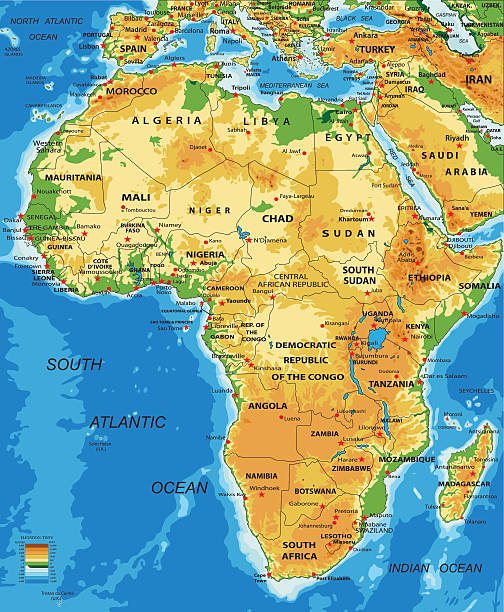
The question of whether Africa made its own internet is complex, but the unequivocal answer is yes, Africa has been a significant architect and builder of its own internet infrastructure. While the global internet is inherently interconnected and relies on international collaboration, the African continent has made tremendous strides in developing, owning, and managing crucial components of its digital landscape. From laying thousands of kilometers of submarine cables to establishing local internet exchange points and fostering a vibrant ecosystem of tech innovation, African nations, businesses, and communities have actively shaped their digital destiny.
This journey has involved overcoming unique challenges, embracing mobile-first solutions, and strategically investing in the infrastructure necessary for economic growth and social development. Understanding this evolution reveals a story of resilience, innovation, and a collaborative spirit that continues to drive Africa’s digital transformation.
Understanding the Genesis of Africa's Internet
The internet's arrival in Africa was initially slow and expensive, marked by heavy reliance on outdated and costly technologies. This early phase laid the groundwork for what would become a rapid acceleration in connectivity.
Early Days: Satellite and Dial-up Limitations
For many years, Africa's internet connectivity was predominantly delivered via satellite. While essential for initial access, satellite connections were characterized by high latency, limited bandwidth, and exorbitant costs. This made internet access a luxury, largely confined to academic institutions, large corporations, and a small elite. Dial-up modems were common, offering painfully slow speeds that hindered any meaningful engagement with the burgeoning global digital economy. The scarcity of affordable bandwidth meant that content hosting, data transfer, and even basic browsing were severely constrained, creating a significant digital divide between Africa and more connected regions.
The Submarine Cable Revolution
A pivotal moment in African internet development was the arrival of extensive submarine fiber optic cable systems. Before 2009, most of the continent relied on a single submarine cable, SAT-3/WASC/SAFE, which was expensive and had limited capacity. The landscape dramatically changed with the launch of cables like SEACOM (2009), EASSy (2010), WACS (2012), and MainOne (2010). These initiatives, often spearheaded by consortia involving African operators and investors, brought massive increases in bandwidth and significant reductions in internet costs. For instance, SEACOM was a truly pan-African initiative, owned and operated by African companies, demonstrating local leadership in infrastructure development.
These cables effectively connected Africa directly to the global internet backbone, bypassing the need for satellite uplinks for international traffic. The immediate impact was a surge in internet penetration, a reduction in the price of data, and the enablement of new digital services. Today, numerous cables encircle the continent, with ongoing projects like the 2Africa cable promising even greater redundancy and capacity. This proliferation of undersea cables is a clear testament to Africa's proactive role in building its digital highway.
Key Pillars of African Internet Infrastructure Development
Beyond the coastal connectivity provided by submarine cables, the interior of the continent required extensive development of terrestrial networks, local peering points, and data centers. These components are crucial for efficient and affordable African internet access.
Terrestrial Fiber Optic Networks
While submarine cables bring bandwidth to the shores, terrestrial fiber optic networks distribute it across countries and regions. African governments, often in partnership with private sector telecom companies, have invested heavily in building national and regional fiber backbones. Projects like the East Africa National Fibre Optic Backbone (EAC-NAFOP), the West African Backbone (WAB), and numerous national initiatives have extended high-speed connectivity deep into previously underserved areas. Companies like Liquid Intelligent Technologies have also played a significant role in creating extensive cross-border fiber networks. This continuous build-out of ground-level infrastructure is vital for connecting urban centers, rural communities, and fostering local economic activity. However, the 'last-mile' challenge, connecting individual homes and businesses, remains a key area of focus for ongoing development.
Internet Exchange Points (IXPs)
Internet Exchange Points (IXPs) are critical for improving the quality and reducing the cost of internet services by allowing local internet service providers (ISPs) and content providers to exchange traffic directly, rather than routing it internationally. This 'local peering' significantly reduces latency and keeps traffic within the continent, making the internet faster and cheaper. Africa has seen a commendable growth in IXPs, driven by initiatives from organizations like the African Union and the Internet Society. Notable examples include the Johannesburg Internet Exchange (JINX) in South Africa, the Kenya Internet Exchange Point (KIXP), and the Nigerian Internet Exchange Point (NIXP). The proliferation of these IXPs is a strong indicator of Africa's growing internet independence and maturity, as they are largely managed and operated by local communities and stakeholders.
Data Centers and Cloud Infrastructure
The development of local data centers is another crucial element in Africa's internet infrastructure. Hosting data and applications closer to users improves performance, reduces costs, and supports data sovereignty. Over the past decade, there has been a significant increase in the number of carrier-neutral data centers across major African cities. Companies like Teraco in South Africa, Rack Centre in Nigeria, and Africa Data Centres are building world-class facilities. This growth also enables the expansion of cloud computing services within Africa, allowing businesses to leverage scalable and reliable IT infrastructure without necessarily hosting it overseas. This localized infrastructure supports the burgeoning digital economy and ensures that African data can be stored and processed closer to its origin.
Mobile Connectivity: The Dominant Force
Perhaps the most defining characteristic of Africa's internet landscape is the overwhelming dominance of mobile connectivity. For many Africans, the smartphone is their primary, if not only, means of accessing the internet. Mobile Network Operators (MNOs) have been instrumental in extending network coverage across the continent, deploying 3G, 4G, and increasingly 5G technologies. The rapid adoption of mobile broadband has led to innovative mobile-first solutions in various sectors, from mobile banking (M-Pesa in Kenya being a prime example) to e-health and e-learning platforms. The sheer number of mobile subscriptions far outstrips fixed-line broadband connections, underscoring the continent's unique path to digital inclusion. This mobile-first approach is an integral part of how Africa has tailored the internet to its specific needs and circumstances.
Who Owns and Manages Africa's Internet?
The ownership and management of Africa's internet infrastructure are a multifaceted affair, involving a blend of local and international players, public and private investment, and collaborative governance models.
A Mix of Public, Private, and Collaborative Efforts
- Government Initiatives: Many African governments have recognized the internet as a critical enabler of economic growth and have developed national broadband plans and digital transformation strategies. They often play a regulatory role, allocate spectrum, and sometimes invest directly in national backbone infrastructure. Bodies like the African Union Commission also work to harmonize policies and promote regional connectivity initiatives.
- Private Sector Investment: Local and international telecommunications companies, Internet Service Providers (ISPs), and content delivery networks are the primary drivers of investment in submarine cables, terrestrial fiber, data centers, and mobile networks. African companies like MTN, Vodacom, Safaricom, Liquid Intelligent Technologies, and many smaller, localized ISPs have invested billions of dollars into building and maintaining this infrastructure. International players also collaborate, but often with local partnerships.
- Regional Organizations: Organizations such as the Smart Africa Alliance, a partnership of African countries committed to accelerating sustainable socio-economic development through ICTs, play a coordinating role. They facilitate cross-border projects, promote best practices, and foster a unified digital market.
- Community Networks: In many underserved rural areas, local communities are taking matters into their own hands by establishing community networks. These grassroots initiatives, often powered by open-source technologies and local expertise, provide affordable internet access where commercial operators find it unviable. This self-reliance highlights another dimension of African internet development.
This diverse ownership model ensures a robust and competitive environment, though it also presents challenges in coordination and regulatory harmonization.
African Innovation and Contribution to the Global Internet
Africa isn't just a consumer of internet technology; it's a vibrant hub of innovation, contributing unique solutions and shaping global digital trends.
Developing Local Content and Applications
With increasing connectivity, there has been an explosion of local content and applications tailored to African needs. Tech hubs and innovation centers have mushroomed across the continent, from 'Silicon Savannah' in Kenya to ecosystems in Lagos, Cape Town, Accra, and Cairo. These hubs are incubators for startups developing solutions in fintech, e-commerce, agritech, healthtech, and edtech. African developers are creating applications that address local challenges, often leveraging the mobile-first approach. This shift towards local content ensures that the internet experience is more relevant and impactful for African users, reducing reliance on foreign-developed services and fostering a distinct African digital identity.
Policy and Regulatory Frameworks
African nations are also actively shaping their own digital policies and regulatory frameworks. They are addressing critical issues such as data protection, cybersecurity, digital taxation, and internet governance. Organizations like the African Network Information Centre (AFRINIC), one of the five Regional Internet Registries (RIRs) worldwide, is responsible for the distribution and management of internet number resources (IP addresses and ASNs) in Africa. AFRINIC is an African-led and run organization, demonstrating Africa's self-determination in internet governance. This commitment to self-governance and policy development further solidifies Africa's role in the global internet ecosystem, ensuring that the digital future aligns with the continent's values and developmental goals.
Challenges and Opportunities in Africa's Digital Landscape
Despite significant progress, the journey to a fully connected and digitally empowered Africa still faces notable hurdles, alongside immense opportunities.
Challenges:
- Cost of Access (Affordability): While internet costs have dropped significantly, they remain relatively high for many ordinary Africans compared to their income levels, especially in rural areas. This affordability gap is a major barrier to universal access.
- Digital Divide (Urban vs. Rural): A stark divide persists between urban centers, which enjoy better connectivity, and rural areas, where infrastructure is often lacking or non-existent. Extending fiber and mobile broadband to remote communities is a costly endeavor.
- Energy Access and Reliability: Unreliable electricity grids and lack of access to power in many areas pose significant challenges for operating internet infrastructure, requiring expensive backup power solutions like generators and solar panels.
- Skill Gaps and Digital Literacy: A shortage of skilled ICT professionals and low levels of digital literacy among the general population hinder the effective utilization of available internet services and the growth of the local tech industry.
- Cybersecurity Threats: As internet adoption grows, so does the exposure to cyber threats, necessitating robust cybersecurity frameworks, education, and national capabilities.
Opportunities:
- Untapped Market Potential: With a young and rapidly growing population, Africa represents one of the largest untapped markets for digital services globally.
- Leapfrogging Older Technologies: Africa has a unique advantage in its ability to 'leapfrog' older, more expensive technologies directly to modern, efficient solutions, particularly in mobile and renewable energy.
- Innovation in Mobile-First Solutions: The continent's mobile-centric approach continues to drive groundbreaking innovations in areas like mobile finance, e-health, and remote education.
- Economic Growth Through Digital Transformation: Increased internet penetration and digital adoption are proven drivers of economic growth, job creation, and improved public services, offering a pathway to sustainable development.
Future Outlook: Towards a Connected Continent
The future of Africa's internet is bright and dynamic. Ongoing efforts focus on further expanding terrestrial fiber networks to reach more remote areas, enhancing cross-border connectivity, and investing in new technologies like 5G and satellite internet (including services like Starlink, and potentially local African satellite initiatives) to bridge coverage gaps. There is also a strong emphasis on fostering local content creation, developing digital skills, and creating supportive regulatory environments to attract further investment and innovation. The goal is not just to connect Africa, but to empower its people and businesses to fully participate in and benefit from the global digital economy, driven by African ingenuity and ownership.
In conclusion, the assertion that Africa made its own internet is not an overstatement. While it operates within a globally interdependent system, the continent has proactively invested in, developed, and managed a significant portion of its digital infrastructure. From the critical submarine cables reaching its coasts to the extensive terrestrial networks spanning its interior, the numerous internet exchange points facilitating local traffic, and the innovative mobile-first solutions defining its digital economy, African entities have been central to this transformation. Despite persistent challenges, the continent continues to forge its unique digital path, showcasing remarkable self-reliance, collaboration, and a profound commitment to leveraging technology for its development and prosperity. Africa's internet story is one of growing independence, innovation, and an undeniable contribution to the global digital landscape.
Enjoyed this read?
Share it with your friends and colleagues.