How Africa Missed The Bus Of History

BSC Insights Admin
September 30, 2026
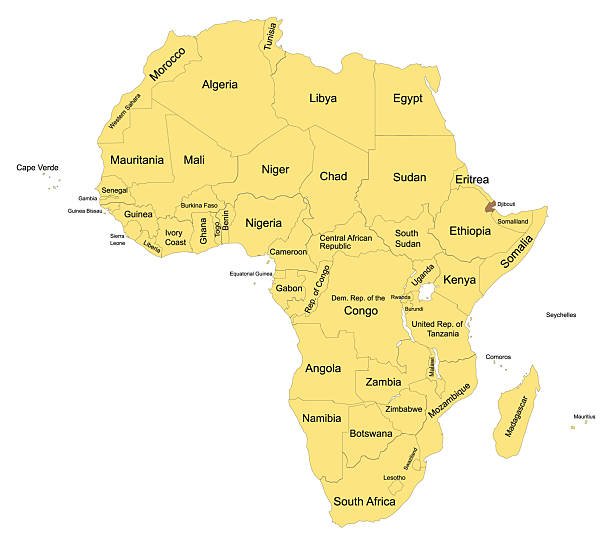
How Africa Missed The Bus Of History: A Comprehensive Analysis
The phrase "How Africa missed the bus of history" refers to the complex and multifaceted historical trajectory that led to much of the African continent experiencing a different pace of economic and industrial development compared to parts of Europe, Asia, and the Americas over several centuries. This divergence is not attributable to a single cause but rather a confluence of geographical realities, external historical forces like colonialism and the transatlantic slave trade, and internal political and economic factors that collectively shaped the continent's path. Understanding these interlocking elements is crucial to comprehending Africa's present and its immense future potential.
Africa, a continent of unparalleled diversity, boasts a rich history of powerful empires, vibrant trade networks, and sophisticated societies. However, various historical junctures and persistent challenges have indeed placed unique hurdles on its path to modern industrialization and consolidated statehood comparable to other global powers. Examining these factors provides critical insights into the continent's development story.
Geographical and Environmental Realities
Africa's vast geography, while offering immense natural beauty and resources, has also presented significant challenges to continent-wide integration and development. These physical attributes played a foundational role in shaping early societies and their interactions:
- Navigable Rivers and Coastlines: Unlike continents with extensive river systems that flow directly to the sea and offer easy access to the interior (e.g., Europe, North America), many of Africa's major rivers have cataracts and waterfalls near their mouths or within their courses, severely limiting internal navigation and trade. The continent also has a relatively smooth coastline with fewer natural harbors compared to its size, hindering maritime commerce and exploration from early periods.
- Disease Burden: Tropical climates across much of the continent fostered the prevalence of diseases such as malaria, yellow fever, and sleeping sickness (carried by the tsetse fly). These diseases decimated both human and animal populations, hindering agricultural development, settlement patterns, and limiting the use of draft animals for transport and farming in many regions. This had a profound impact on population density and labor productivity.
- Arable Land and Climate Zones: While fertile regions exist, large parts of Africa consist of deserts (Sahara, Kalahari), semi-arid zones, or dense rainforests. This limited the spread of certain agricultural innovations and created diverse, often isolated, climatic zones that could hinder the diffusion of technologies and crops suitable for different environments.
- Resource Paradox: Africa is incredibly rich in natural resources, from minerals like gold, diamonds, and coltan to vast oil and gas reserves. Paradoxically, this abundance has sometimes led to the "resource curse," where dependence on primary commodity exports can hinder economic diversification, fuel corruption, and instigate conflict, rather than drive broad-based development.
The Devastating Impact of the Transatlantic Slave Trade
While various forms of slavery existed globally, the Transatlantic Slave Trade stands out for its scale, duration, and brutal racial dimension. For over four centuries, from the 16th to the 19th century, millions of Africans were forcibly removed from their homes and shipped across the Atlantic:
- Demographic Catastrophe: The slave trade represented an unparalleled demographic drain, removing millions of healthy, productive individuals from their societies. Estimates suggest between 10 to 12 million Africans were forcibly transported, with many more dying during capture and transit.
- Social and Political Disruption: The demand for slaves fueled internal conflicts, destabilized existing political structures, and led to the collapse of some powerful kingdoms. It fostered an environment of constant insecurity and distrust, diverting resources and energy away from productive development.
- Economic Stagnation: Societies engaged in the slave trade became dependent on it, neglecting agricultural and industrial innovation. The human capital lost was not just a numbers game; it represented lost farmers, artisans, scholars, and leaders whose contributions would have otherwise fueled endogenous growth.
- Legacy of Trauma: The long-term psychological and societal trauma of the slave trade continued to impact African communities for generations, hindering social cohesion and development.
The Scramble for Africa and the Colonial Legacy
The late 19th century witnessed the "Scramble for Africa," where European powers rapidly partitioned and colonized nearly the entire continent. This period, solidified by the Berlin Conference of 1884-85, profoundly reshaped Africa's destiny:
Economic Exploitation and Underdevelopment
Colonial powers primarily viewed Africa as a source of raw materials and a market for their manufactured goods, rather than a place for indigenous development. This led to:
- Resource Extraction: Colonial economies were structured to extract raw materials (minerals, cash crops like rubber, cotton, cocoa) for European industries, with little value addition taking place on the continent.
- Suppression of Local Industries: Indigenous industries and manufacturing were often suppressed to prevent competition with goods from the colonial metropole.
- Infrastructure for Extraction: Infrastructure (railways, roads) was typically built to facilitate the movement of resources from the interior to ports for export, rather than to connect local markets or foster internal economic integration.
- Land Dispossession: Vast tracts of fertile land were seized for settler agriculture or large-scale plantations, displacing African communities and disrupting traditional farming practices.
Political and Social Reconfiguration
The colonial era fundamentally altered Africa's political and social landscape:
- Arbitrary Borders: New national borders were drawn by colonial powers with little regard for pre-existing ethnic, linguistic, or cultural boundaries. These artificial divisions often grouped disparate groups together or split coherent ones, laying the groundwork for future conflicts and national identity challenges.
- Authoritarian Governance: Colonial administrations were inherently authoritarian, often using indirect rule that empowered certain local chiefs or elites, which created divisions and undermined traditional forms of governance.
- Limited Education and Healthcare: While some schools and hospitals were built, access was generally limited and designed to serve the needs of the colonial administration or settler populations, not to develop a robust, educated populace for national self-governance.
- Dependence on Former Colonial Powers: Upon independence, many African nations inherited economies designed for dependency, with weak institutions and a lack of trained personnel to manage complex modern states.
Post-Independence Challenges and the Cold War
The period following independence in the mid-20th century, while heralding self-rule, brought its own set of immense challenges that further complicated Africa's development journey:
| Category | Challenges Faced by Independent African Nations |
|---|---|
| Political Instability | Coups d'état, civil wars, and ethnic conflicts often fueled by colonial-era divisions, competition over resources, and weak democratic institutions. |
| Weak Governance | Corruption, lack of accountability, and clientelism hindered effective public service delivery and economic development. |
| Economic Vulnerability | Continued reliance on primary commodity exports, exposure to global market fluctuations, and large foreign debt burdens. |
| Cold War Proxy Battles | African nations became unwitting battlegrounds for proxy conflicts between the US and USSR, leading to external interference, militarization, and support for autocratic regimes that prioritized geopolitical interests over national development. |
| Brain Drain | Lack of opportunities and political instability led to skilled professionals migrating abroad, further depleting critical human capital. |
These challenges meant that many newly independent nations struggled to build strong, stable, and diversified economies capable of lifting their populations out of poverty.
Economic and Developmental Factors
Beyond the historical legacies, several economic and developmental factors have contributed to the continent's distinctive development path:
- Lack of Industrialization: Unlike regions that underwent rapid industrialization in the 18th-20th centuries, much of Africa remains largely agrarian, with limited manufacturing and value-added industries. This makes economies susceptible to external shocks and limits job creation.
- Infrastructure Deficit: A significant deficit in critical infrastructure – roads, railways, energy, telecommunications, and access to clean water – continues to hinder trade, attract investment, and facilitate economic growth.
- Limited Access to Capital: Historically, African economies have faced challenges in attracting sufficient domestic and foreign investment for large-scale development projects, partly due to perceived risks and lack of stable financial institutions.
- Food Insecurity: Despite vast arable land, food insecurity remains a challenge in many regions, affected by climate change, poor agricultural practices, conflict, and inadequate investment in modern farming techniques.
Africa's Resurgence: The Path Forward
While acknowledging the historical context of "How Africa missed the bus of history," it is crucial to recognize that history is not destiny. Africa today is a continent on the rise, characterized by immense potential and significant progress. There is a growing optimism about Africa's future, driven by several factors:
- Demographic Dividend: Africa has the world's youngest and fastest-growing population. This youthful workforce, if properly educated and employed, represents an enormous engine for economic growth and innovation.
- Resource Wealth and Diversification: Beyond traditional resources, Africa possesses vast renewable energy potential (solar, wind, hydro) and critical minerals essential for the global green economy. There is a growing focus on diversifying economies away from primary commodities towards manufacturing, services, and technology.
- Technological Leapfrogging: African countries are increasingly adopting new technologies, particularly in mobile banking, e-commerce, and digital innovation, often bypassing older, expensive infrastructure stages.
- Regional Integration: The African Continental Free Trade Area (AfCFTA) represents a monumental step towards creating a single continental market, fostering intra-African trade, and boosting economic growth.
- Improved Governance: Many African nations are making strides in strengthening democratic institutions, improving governance, and fighting corruption, though challenges remain.
- Investment in Human Capital: Increasing investments in education, healthcare, and skills development are empowering the next generation of African leaders, entrepreneurs, and innovators.
The narrative of Africa is evolving from one focused on historical challenges to one highlighting resilience, innovation, and boundless opportunity. While the past has undoubtedly shaped the present, the continent is actively forging a new future.
Conclusion
The question of "How Africa missed the bus of history" is a complex one, deeply rooted in centuries of intertwined geographical realities, devastating external exploitation through the slave trade and colonialism, and persistent internal challenges post-independence. These factors collectively contributed to a development trajectory that diverged significantly from other parts of the world. However, it is imperative to view this historical analysis not as a final verdict but as a foundational understanding. Today, Africa is a continent brimming with potential, demonstrating remarkable resilience and innovation. With its youthful population, abundant resources, and growing commitment to regional integration and improved governance, Africa is rapidly building its own unique and dynamic future, striving to make up for lost time and claim its rightful place on the global stage.
Enjoyed this read?
Share it with your friends and colleagues.