Which Country In Africa Produces The Most Coffee

BSC Insights Admin
September 30, 2026
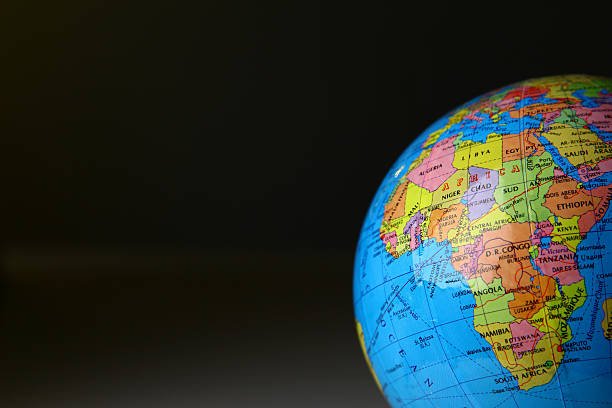
Ethiopia is the which country in Africa produces the most coffee, maintaining a long-standing reputation as a global powerhouse in the production of high-quality Arabica beans. This East African nation contributes roughly thirty-nine percent of the total coffee output from the continent, yielding hundreds of thousands of metric tons every year. As the legendary birthplace of the coffee plant, Ethiopia combines ancient tradition with a vast network of smallholder farmers to lead the region in both volume and cultural significance.
The continent of Africa is a vital source for the world's coffee supply, offering a diverse range of flavor profiles from fruity Arabica to strong Robusta. To understand the full scale of production, it is necessary to examine the top nations that drive the agricultural economy through their massive coffee harvests.
These are the Countries In Africa That Produce The Most Coffee
The landscape of coffee cultivation in Africa is dominated by a few key nations that have optimized their soil conditions and farming techniques to maximize output. While many countries grow coffee, only a handful have reached the industrial scale required to compete with global giants in South America and Asia. The following list details the top producers, highlighting the country in Africa producing the most coffee and its closest competitors. Each entry explores the specific varieties grown, the regional impact on the economy, and the unique environmental factors that allow these nations to remain at the forefront of the global coffee trade.
1. Ethiopia
Ethiopia is the undisputed African country which produces the most coffee and currently ranks as the fifth-largest producer in the entire world. The nation produces approximately 450,000 to 500,000 metric tons of coffee annually, a figure that continues to grow as cultivation methods improve and new lands are utilized. Coffee is the lifeblood of the Ethiopian economy, accounting for nearly twenty-five percent of the country's total export earnings and supporting the livelihoods of over fifteen million people. The geography of Ethiopia is perfectly suited for coffee, with high-altitude regions like Sidamo, Yirgacheffe, and Harrar providing the cool temperatures and fertile volcanic soil necessary for Arabica beans. Unlike many other nations, Ethiopia has a high domestic consumption rate, as the traditional coffee ceremony is a central part of daily social and family life. The government has established the Ethiopian Coffee and Tea Authority to oversee the quality and marketing of these beans, ensuring that specialty varieties command premium prices on the international market. For many coffee connoisseurs, the floral and citrus notes found in Ethiopian forest-grown coffee represent the highest standard of excellence in the industry.
2. Uganda
Uganda stands as the second-largest producer on the continent and is often a contender for the title of which country that produces the most coffee in Africa when focusing specifically on the Robusta variety. The country produces roughly 350,000 to 400,000 metric tons of coffee per year, with Robusta being native to the Lake Victoria basin. While Robusta makes up about eighty percent of Uganda's exports, the nation has also made significant strides in growing high-quality Arabica on the slopes of Mount Elgon and the Rwenzori Mountains. The Uganda Coffee Development Authority (UCDA) has been instrumental in distributing millions of disease-resistant seedlings to farmers to boost production and combat the effects of climate change. Coffee serves as the leading foreign exchange earner for Uganda, playing a critical role in poverty reduction and rural development. The beans are known for their neutral yet sweet flavor, making them a popular choice for espresso blends in Europe and North America. As the global demand for instant coffee and high-caffeine blends rises, Uganda's role as a Robusta giant ensures its continued importance in the African agricultural sector.
3. Ivory Coast
The Ivory Coast, or Côte d'Ivoire, has historically been one of the top African countries that produce the most coffee, specifically focusing on the Robusta variety. During the 1970s and 1980s, the country was a world leader in coffee production, but political instability and a shift toward cocoa farming led to a decline in output. Today, the nation still produces about 100,000 to 120,000 metric tons annually, and the government is actively working to revitalize the sector through the Coffee and Cocoa Council. The coffee grown in the Ivory Coast is primarily used for the production of instant coffee and as a filler in various commercial blends due to its strong, bitter profile. The low-lying tropical plains of the country provide an ideal environment for Robusta trees, which thrive in humid conditions and require less maintenance than Arabica. Although cocoa has taken the spotlight, coffee remains a vital secondary crop that provides a safety net for thousands of small-scale farmers in the southern and western regions. Efforts are currently underway to improve the quality of Ivorian coffee and to re-establish its presence in the premium commercial markets of Europe.
4. Tanzania
Tanzania is a major player in the coffee industry, producing between 60,000 and 70,000 metric tons of coffee each year, with a nearly equal split between Arabica and Robusta. The most famous Tanzanian coffee is grown on the volcanic slopes of Mount Kilimanjaro and Mount Meru, where the high altitude and rich soil produce the unique "Peaberry" beans. Peaberry coffee is highly sought after by specialty roasters because the single round bean is believed to roast more evenly and contain more concentrated flavor than standard flat beans. In the southern highlands of Mbeya and Ruvuma, Arabica production has seen significant growth, while Robusta is primarily cultivated in the Bukoba region near Lake Victoria. The Tanzania Coffee Board regulates the industry and manages the auction system in Moshi, which ensures that farmers receive fair prices for their harvests. Coffee is a critical export for Tanzania, and the industry is characterized by its strong cooperative unions that provide support and resources to smallholder farmers. The bright acidity and medium body of Tanzanian coffee make it a favorite for single-origin offerings in coffee shops across the globe.
5. Kenya
Kenya is world-renowned for producing some of the highest-quality Arabica coffee, often fetching the highest prices at international auctions. Although its total volume is lower than Ethiopia or Uganda, usually ranging from 40,000 to 50,000 metric tons, Kenya is a country in Africa producing the most coffee in terms of specialty value and prestige. The coffee is grown in the high-altitude central highlands, particularly in the regions surrounding Mount Kenya, where the acidic volcanic soil and temperate climate are perfect for SL-28 and SL-34 varieties. Kenyan coffee is famous for its bright, wine-like acidity and intense berry or blackcurrant notes, which are a result of a meticulous "double-washed" processing method. The Nairobi Coffee Exchange is the heart of the industry, operating an auction system that rewards quality and provides transparency for both buyers and producers. Many Kenyan farmers belong to large cooperatives that manage the washing stations and dry mills, ensuring that the strict quality standards are maintained throughout the supply chain. Despite challenges such as urban encroachment on traditional coffee lands, Kenya remains a symbol of African excellence in the specialty coffee world.
6. Madagascar
Madagascar is an often-overlooked producer that contributes significantly to the list of countries in Africa that produce the most coffee, mainly through its Robusta crop. The island nation produces around 30,000 to 40,000 metric tons per year, with much of the cultivation occurring in the tropical eastern coastal regions. The coffee in Madagascar is frequently grown in "forest gardens" or under the shade of fruit trees, which allows for a more sustainable and organic farming approach. While Robusta is the dominant variety, there are small amounts of Arabica grown in the central highlands where the climate is cooler. Historically, coffee was a primary export for Madagascar under French colonial rule, and the government is currently trying to boost production by improving infrastructure and providing better training for farmers. Much of the coffee produced in Madagascar is consumed domestically or exported to France, where it is valued for its traditional flavor profile. The unique biodiversity of the island also offers the potential for the discovery of wild coffee species that could play a role in the future of the global coffee industry.
7. Rwanda
Rwanda has undergone a remarkable transformation to become one of the top African countries that produce the most coffee in the specialty sector. Producing about 20,000 to 25,000 metric tons annually, Rwanda has focused almost exclusively on high-quality Arabica, specifically the Red Bourbon variety. The "Land of a Thousand Hills" provides the high altitudes and abundant rainfall needed for coffee to thrive, with most farms located between 1,500 and 2,000 meters above sea level. After the tragic events of the 1990s, the Rwandan government prioritized coffee as a tool for economic recovery and national reconciliation, investing heavily in communal washing stations. This focus on quality over quantity has paid off, as Rwandan coffee is now a staple in high-end roasteries, known for its sweet, silky body and hints of orange and spice. The National Agricultural Export Development Board (NAEB) ensures that Rwandan farmers receive training in sustainable practices, which has helped the nation build a brand centered on social and environmental responsibility. The success of the "Cup of Excellence" competitions in Rwanda has further cemented its status as a premier destination for coffee buyers seeking exceptional beans.
8. Burundi
Burundi is a small but mighty coffee producer, with its entire economy deeply dependent on the coffee harvest, which typically yields 15,000 to 20,000 metric tons annually. Like Rwanda, Burundi focuses on high-altitude Arabica, and the crop is grown by over 600,000 smallholder families across the country's hilly terrain. The volcanic soil and the traditional wet-processing methods result in a coffee that is often described as having a bright, clean taste with floral and wild berry notes. Because Burundi is landlocked, the logistics of exporting coffee can be challenging, yet the quality of the beans ensures that they remain in high demand. In recent years, the industry has seen a move toward "direct trade" models, where international roasters work directly with individual washing stations to ensure transparency and better pay for the farmers. Coffee represents the vast majority of Burundi's foreign exchange earnings, making it the most important agricultural product for the nation's development. The passion and resilience of Burundian farmers, who often tend to just a few hundred trees each, are what keep this small nation competitive on the global stage.
9. Cameroon
Cameroon is a unique producer because it successfully grows both Arabica and Robusta in significant quantities, often totaling around 20,000 to 30,000 metric tons per year. The Robusta coffee is primarily grown in the coastal and forest regions, while the Arabica is cultivated in the high-altitude western highlands, particularly in the Bamileke and Bamoun areas. The volcanic ash from Mount Cameroon provides a nutrient-rich base that gives the local coffee a distinct and robust flavor. Historically, Cameroon was a much larger producer, but the industry has faced hurdles such as aging trees and fluctuating global prices. However, there is a renewed interest in the "Boyo" coffee from the northwest region, which is known for its sweet, earthy profile and is being marketed as a premium specialty product. The government is working to modernize the sector by encouraging the formation of cooperatives and improving the processing facilities available to rural farmers. Cameroon's dual production capability makes it a versatile player in the African coffee landscape, able to supply both the commercial and specialty markets.
10. Guinea
Guinea is a significant contributor to the West African coffee supply, with an annual production that usually falls between 15,000 and 20,000 metric tons. The country focuses almost entirely on Robusta coffee, which is grown in the forested Ziama region where the tropical climate is ideal for the hardy trees. Much of Guinea's coffee is produced by small-scale farmers who use traditional methods, often incorporating coffee into diverse agroforestry systems. While Guinea is not as well-known on the global specialty market as Ethiopia or Kenya, its coffee is a major commodity in the regional West African trade. The government has identified coffee as a key sector for economic diversification and is seeking international investment to improve the quality of the beans and the efficiency of the supply chain. The Ziama coffee is particularly noted for its strength and is a popular choice for traditional coffee drinkers in the region and for export to neighboring countries. As Guinea continues to stabilize and develop its agricultural infrastructure, its coffee output is expected to play an even larger role in the nation's economy.
Reasons Why These Countries Produce The Most Coffee in Africa
1. Optimal Altitudes and Volcanic Soils: The primary reason which country in Africa produces the most coffee is often down to geography. High-altitude regions provide the cooler temperatures that slow the ripening process of coffee cherries, allowing more complex sugars and flavors to develop. When combined with the nutrient-rich volcanic soil found in the East African Rift Valley, the conditions become perfect for producing high yields of premium beans. This natural advantage is why countries like Ethiopia, Kenya, and Rwanda are consistently at the top of the production lists.
2. Abundance of Indigenous Coffee Varieties: Africa is the home of the coffee plant, and this means that African countries that produce the most coffee have access to a vast genetic diversity of wild and heirloom varieties. In Ethiopia, there are thousands of undiscovered varieties growing in the forests, which provides a natural resistance to certain pests and diseases that plague coffee in other parts of the world. This genetic wealth allows these nations to produce flavors that cannot be replicated anywhere else, ensuring a constant demand from the global market. The presence of native Robusta in Uganda also gives the continent a competitive edge in the commercial and instant coffee sectors.
3. Massive Smallholder Farmer Participation: Unlike the large-scale plantations found
Enjoyed this read?
Share it with your friends and colleagues.