Which Country In Africa Is The Most Dangerous

BSC Insights Admin
October 01, 2026
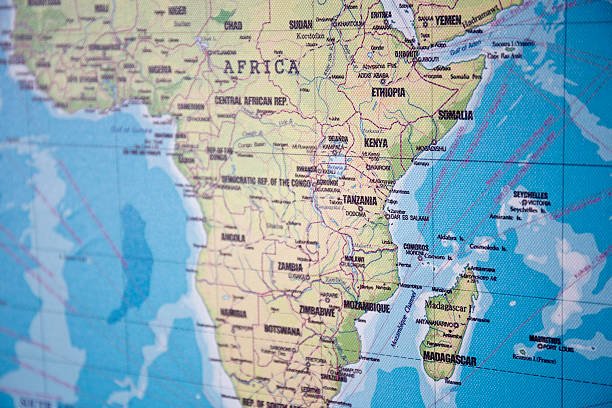
p>Identifying which country in Africa is the most dangerous often depends on the metrics used, such as the Global Peace Index, homicide rates, or the prevalence of active conflict. Currently, nations like South Sudan, Somalia, and Sudan are frequently ranked as high-risk zones due to ongoing civil wars and political instability. This guide provides a detailed analysis of the nations where safety is a major concern for both residents and international visitors.
The security landscape on the continent is constantly shifting, influenced by political coups, resource competition, and the rise of extremist groups. To understand these risks, one must look at the specific regions and systemic issues that contribute to a country being classified as a dangerous destination.
These are the Countries In Africa That are the Most Dangerous
Determining which country that is the most dangerous in Africa requires a deep dive into statistical data regarding violent crime, civil unrest, and the presence of armed militias. While many parts of the continent are experiencing rapid growth and stability, these specific nations face deep-seated challenges that hinder the safety of their populations. The following list represents the countries where the risk to personal security is at its highest, according to international monitors and local safety reports. These nations are often subject to "Do Not Travel" advisories from global foreign offices due to the volatile nature of their internal security environments.
1. South Sudan
South Sudan is consistently ranked as the most African country which is dangerous due to the lingering effects of a devastating civil war that began shortly after its independence in 2011. According to the 2023 Global Peace Index, it sits at the bottom of the list, hampered by persistent inter-communal violence and a fragile peace agreement. Armed conflict between various ethnic factions continues to displace millions of people, while the proliferation of small arms remains a major hurdle to stability. Violent crimes, including carjackings, kidnappings, and cattle raiding, are common occurrences, particularly in rural areas where the rule of law is almost non-existent. The humanitarian situation is equally dire, with food insecurity and a lack of medical infrastructure exacerbating the risks for anyone living in or visiting the country. Most international organizations maintain a minimal presence, as the safety of aid workers is frequently compromised by targeted attacks from local militias.
2. Somalia
For over three decades, Somalia has been cited as a primary example of an African country which is dangerous because of the absence of a fully functional central government and the presence of Al-Shabaab. This extremist group frequently carries out large-scale bombings and assassinations in the capital, Mogadishu, targeting government buildings, hotels, and public spaces. Piracy along the coastline remains a threat to maritime security, although international patrols have reduced the frequency of attacks in recent years. In rural regions, local clan-based militias exert more control than the national army, leading to frequent skirmishes over land and water resources. The lack of a robust judicial system means that crime often goes unpunished, creating an environment where petty theft and violent robbery are rampant. Travelers are warned that traditional consular assistance is nearly impossible to provide outside of heavily fortified diplomatic zones, making any travel within the country extremely hazardous.
3. Sudan
Sudan has recently emerged as a country in Africa dangerous for all inhabitants following the eruption of a full-scale war between the Sudanese Armed Forces and the Rapid Support Forces in April 2023. This conflict has transformed major urban centers, including the capital city of Khartoum, into active battlefields with constant shelling and aerial bombardments. The infrastructure for water, electricity, and telecommunications has been largely destroyed, leading to a total collapse of social services in many regions. In the Darfur area, there are renewed reports of ethnically motivated killings and mass atrocities, reminiscent of the genocide that occurred there two decades ago. Foreign nationals were evacuated in mass operations during the early stages of the conflict, and today, the country remains under a total travel ban from most Western governments. The rapid deterioration of security has led to one of the world's largest displacement crises, with millions fleeing into neighboring countries to escape the violence.
4. Democratic Republic of the Congo
The Democratic Republic of the Congo is often viewed as the country in Africa dangerous specifically in its eastern provinces, where over 120 armed groups operate. Regions such as North Kivu, South Kivu, and Ituri are plagued by violence from groups like the M23 and the Allied Democratic Forces, who fight for control over the nation's vast mineral wealth. These groups frequently target civilian populations, leading to mass killings, sexual violence, and the recruitment of child soldiers. While the capital city of Kinshasa is relatively more stable, it still suffers from high levels of street crime, including "kidnappings for express ransom" targeting both locals and expatriates. The lack of infrastructure and the sheer size of the country make it difficult for government forces to maintain order in remote areas. Travelers are often warned to avoid the eastern borders entirely, as the situation can escalate from calm to high-intensity conflict within hours.
5. Central African Republic
The Central African Republic is a country in Africa dangerous due to years of sectarian violence between the Séléka and Anti-Balaka militias. Although various peace deals have been signed, the government only maintains full control over the capital, Bangui, while much of the hinterland is ruled by rebel factions. These groups often set up illegal checkpoints, extorting travelers and humanitarian convoys at gunpoint. The presence of international mercenaries and private military companies has added a new layer of complexity to the security situation, often leading to clashes with local populations. High-density areas are prone to sudden outbreaks of violence, and the risk of being caught in crossfire remains a significant concern for residents. Furthermore, the judicial system is non-functional in most parts of the country, ensuring that those who commit violent crimes rarely face legal consequences. This culture of impunity, combined with extreme poverty, makes the Central African Republic a highly volatile environment.
6. Mali
Mali has become an increasingly African country which is dangerous since the 2012 coup and the subsequent rise of jihadist insurgencies in the northern and central regions. Groups affiliated with Al-Qaeda and the Islamic State have expanded their influence, carrying out frequent attacks on the Malian military and international peacekeeping forces. The departure of the UN peacekeeping mission, MINUSMA, has left a security vacuum that local forces are struggling to fill, leading to an increase in civilian casualties. Kidnappings of foreigners for ransom are a major business for extremist groups, and the risk extends beyond the desert north into the central regions once considered safe. Even in the capital, Bamako, there is a constant threat of terrorist attacks on locations frequented by Westerners. The instability has hindered the country's development and created a situation where basic safety cannot be guaranteed by the state in many jurisdictions.
7. Burkina Faso
Burkina Faso was once a peaceful nation, but it has rapidly transitioned into one of the countries in Africa that are dangerous due to a surge in terrorist activity since 2015. Islamist militants now control nearly 40 percent of the national territory, leading to a complete breakdown of state authority in many northern and eastern provinces. The violence has resulted in the displacement of over 2 million people, creating a humanitarian disaster of massive proportions. Military coups in recent years have added to the political instability, with the current leadership struggling to contain the spread of insurgent groups. Attacks on villages, schools, and places of worship are frequent, often resulting in high death tolls and the total destruction of property. Road travel between major cities is perilous due to the high risk of ambushes and improvised explosive devices. The rapid decline in security has made Burkina Faso one of the most concerning hotspots for regional instability in West Africa.
8. Libya
Libya remains a country in Africa dangerous because of the deep political fractures that have persisted since the fall of Muammar Gaddafi in 2011. The nation is divided between competing governments and hundreds of localized militias that often clash over territory and the control of oil resources. While a fragile ceasefire has held in some areas, the potential for a sudden return to full-scale war is always present. Public safety is compromised by the lack of a unified national police force, leading to high rates of kidnapping, robbery, and human trafficking. Migrants and refugees are particularly vulnerable, often held in detention centers where they face extreme abuse and exploitation. For international visitors, the risk of being caught in militia crossfire or targeted for kidnapping remains unacceptably high. The lack of centralized authority means that emergency services and legal protection are virtually non-existent for those outside of specific political elite circles.
9. Nigeria (Northern Regions)
While Nigeria as a whole is a major economic hub, its northern and middle belt regions make it an African country which is dangerous for many. The northeast is the stronghold of Boko Haram and ISWAP, groups that have waged a decade-long insurgency characterized by mass kidnappings and suicide bombings. In the northwest, the rise of "banditry" has seen gangs of armed men raiding villages, stealing livestock, and kidnapping hundreds of schoolchildren for ransom. The "Middle Belt" suffers from frequent and deadly clashes between farmers and herders over grazing land, often fueled by ethnic and religious tensions. Even major highways, such as the road between Abuja and Kaduna, have become notorious for daytime kidnappings and armed robberies. While cities like Lagos in the south are bustling centers of commerce, the security challenges in the north contribute significantly to the country's reputation for high risk. The complexity of these overlapping security crises makes it difficult for the government to provide a unified solution for national safety.
10. Niger
Niger has recently seen a spike in its status as a country in Africa dangerous following a military coup in July 2023 and the subsequent increase in insurgent attacks. Bordering Mali and Burkina Faso, the Tillabéri and Diffa regions are frequent targets for groups like the Islamic State in the Greater Sahara and Boko Haram. These groups cross the porous borders to carry out raids on military outposts and civilian settlements, leading to a state of constant fear for those living in frontier zones. The political isolation following the coup has led to the withdrawal of some international security partners, potentially weakening the country's ability to defend its territory. Protests in the capital, Niamey, can turn violent quickly, and there is a high risk of arbitrary detention by security forces during periods of unrest. The combination of political instability, regional terrorism, and economic sanctions has created a highly pressurized environment where safety is increasingly fragile.
Reasons Why These Countries Are Dangerous in Africa
1. Proliferation of Small Arms and Light Weapons: One major reason why a country in Africa dangerous remains unstable is the easy access to illegal firearms. In many conflict zones, decades of civil war have left millions of weapons in the hands of civilians and local militias. This makes every minor dispute potentially lethal and allows small groups of insurgents to challenge national armies. Without effective disarmament programs, these weapons continue to circulate, fueling crime and long-term instability across borders.
2. Competition over Natural Resources: In nations like the Democratic Republic of the Congo and the Central African Republic, the presence of valuable minerals like gold, diamonds, and coltan is a primary driver of violence. Armed groups often seize control of mining sites to fund their operations, leading to a cycle of conflict known as the "resource curse." When countries in Africa that are dangerous have high resource wealth, the incentives for maintaining peace are often overshadowed by the profits generated from illegal mining and smuggling. This ensures that the heart of the conflict remains economic rather than purely political or ethnic.
3. Weak Governance and Systemic Corruption: A country in Africa dangerous for its citizens often suffers from a total lack of accountability within its leadership. Corruption within the police and military can lead to a situation where security forces are more interested in personal gain than protecting the public. When the state fails to provide basic justice or security, citizens often turn to local militias for protection, which only further destabilizes the nation. This erosion of trust in public institutions is a fundamental barrier to establishing a safe and orderly society.
4. Religious and Ethnic Radicalization: Across the Sahel region, extremist groups have exploited local grievances to recruit followers and launch insurgencies. In Mali and Burkina Faso, these groups often use religious ideology to justify their attacks on the state and civilians who do not adhere to their views. Ethnic tensions are also frequently manipulated by political leaders to maintain power, leading to communal violence that can spiral out of control. This radicalization turns neighbors against each other and creates a social environment where violence is normalized as a means of political expression.
5. Porous Borders and Regional Instability: Many of the African countries that are dangerous share long, unmonitored borders that allow insurgent groups to move freely between nations. When one country experiences a coup or a civil war, the instability quickly leaks into its neighbors, creating a "domino effect" across entire regions. This makes it difficult for any single nation to solve its security problems in isolation. Regional cooperation is often hindered by political rivalries, allowing criminal networks and terrorists to thrive in the borderlands where state presence is weakest.
6. Historical Colonial Legacies: The way borders were drawn during the colonial era often grouped together ethnic groups with historical animosities while splitting others apart. This has led to long-term struggles over national identity and political representation in many African countries which are dangerous today. When a government is seen as favoring one group over another, it creates a sense of marginalization that often leads to armed rebellion. These structural issues, rooted in the 19th century, continue to manifest as modern-day conflicts over land, power, and resources.
Conclusion
Determining which country in Africa is the most dangerous is a complex task that involves analyzing a variety of security threats ranging from active warfare to systemic crime. While nations like South Sudan and Somalia currently face the most severe challenges, the situation in any given country can change rapidly due to political or environmental factors. It is essential for anyone traveling to or studying these regions to consult updated security reports and respect international travel advisories. Despite these localized dangers, it is important to remember that much of Africa is peaceful and experiencing significant progress. Safety is a localized issue, and understanding the specific reasons behind instability is the first step in addressing the continent's most pressing security concerns.
Enjoyed this read?
Share it with your friends and colleagues.