Which Countries In Africa Are Most Developed

BSC Insights Admin
September 30, 2026
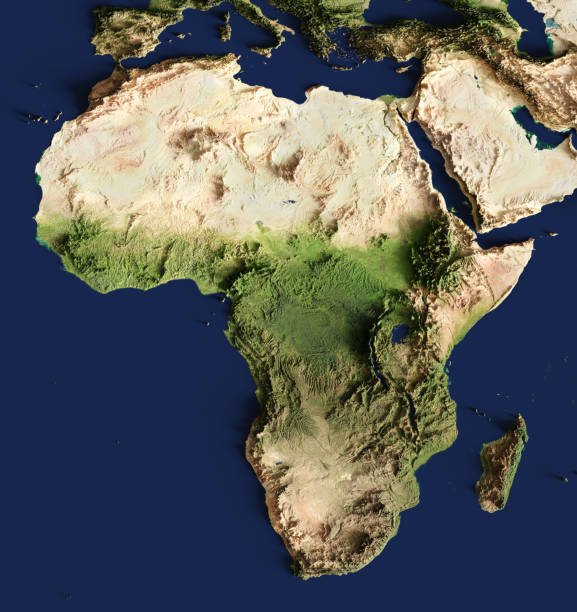
Which Countries In Africa Are Most Developed is a question that requires a look at various metrics including the Human Development Index, Gross Domestic Product per capita, and the quality of national infrastructure. Currently, nations like Mauritius, Seychelles, and Algeria are leading the continent because they have successfully balanced economic growth with significant investments in social welfare and education. These leading African nations have demonstrated that stable governance and diversified economies are the primary drivers for achieving a high standard of living for their citizens.
The path to development in Africa varies significantly from one region to another, influenced by geographic location, historical context, and natural resource management. By examining the top performers, we can identify the specific strategies that have allowed certain territories to outpace their neighbors in the pursuit of modern prosperity.
These are the Countries that are the Most Developed in Africa
Determining the most advanced nations on the continent involves analyzing data from the United Nations and the World Bank to see which populations enjoy the best access to healthcare, schooling, and economic opportunity. While many people associate development strictly with wealth, the most developed nations are those that translate their financial resources into long-term human progress and institutional stability. The following list represents the countries that currently stand at the forefront of African development, showcasing impressive results in urbanization, life expectancy, and industrial capacity.
1. Mauritius
Mauritius consistently ranks as the most developed country in Africa, largely due to its remarkable transition from a mono-crop economy based on sugar to a diversified middle-income nation. The island has focused heavily on developing its financial services sector, luxury tourism, and high-tech manufacturing, which has created a stable economic environment for its citizens. Education and healthcare are provided for free by the government, ensuring that the human development index remains the highest on the entire continent. The country is also a model for democratic stability, boasting a long history of peaceful transitions of power and a strong legal framework that protects property rights. Its strategic location in the Indian Ocean has allowed it to become a bridge for investment between Africa and Asia, further fueling its national growth. Most households in Mauritius have access to modern amenities, and the poverty rate is among the lowest in the developing world.
2. Seychelles
The Seychelles is the only African nation currently classified as a high-income country by the World Bank, a feat achieved through its thriving tourism industry and the blue economy. With a small population, the government has been able to provide a comprehensive social safety net that includes high-quality medical care and mandatory schooling for all children. The nation is world-renowned for its environmental conservation efforts, which protect the very natural resources that drive its lucrative tourism sector. Beyond tourism, the Seychelles has developed a robust industrial fishing industry that exports products globally, providing a secondary pillar for economic stability. The quality of life on the islands is exceptionally high, with life expectancy figures that rival many nations in Europe and North America. Its institutional transparency and low levels of corruption have made it a favorite destination for international high-net-worth individuals and sustainable investors alike.
3. Algeria
Algeria has utilized its massive reserves of oil and natural gas to fund a expansive social welfare system that has placed it among the top tiers of African development. The state provides heavily subsidized housing, free education through the university level, and universal healthcare, which has led to a significant increase in the general standard of living. Large-scale infrastructure projects, such as the Great Mosque of Algiers and massive highway networks, demonstrate the nation's commitment to modernizing its physical landscape. While the economy remains dependent on hydrocarbons, there have been successful efforts to improve agricultural output and domestic manufacturing to reduce the need for imports. Algeria also boasts one of the highest literacy rates in North Africa, reflecting decades of investment in the intellectual capacity of its youth. The country’s urbanization rate is high, with most citizens living in modern apartments with reliable access to electricity and water.
4. South Africa
South Africa possesses the most industrialized and technologically advanced economy in Africa, featuring a world-class financial system and a massive manufacturing base. As a member of the G20, the country plays a pivotal role in global economic affairs and serves as the primary gateway for trade into the Southern African region. Its infrastructure, including a vast network of paved roads, international airports, and deep-water ports, is unparalleled on the continent and supports a highly complex supply chain. The Johannesburg Stock Exchange is the largest in Africa, reflecting the depth and sophistication of the nation's capital markets. Despite facing challenges with inequality, the country has a large and vibrant middle class that drives domestic consumption and innovation in sectors like telecommunications and media. South Africa’s universities are among the best in the world, producing a steady stream of highly skilled professionals who lead industries across the globe.
5. Tunisia
Tunisia is recognized for its highly educated workforce and its strategic economic ties with the European Union, which have helped it maintain a high level of development. The country has successfully diversified into mechanical and electrical manufacturing, as well as a robust agricultural sector that exports olive oil and dates to international markets. Since the early years of its independence, Tunisia has prioritized women's rights and education, leading to a social structure that is remarkably progressive and productive. The healthcare system is well-developed, with many Tunisian doctors and clinics serving patients from across the Mediterranean and neighboring African states. Its tourism industry remains a vital component of the economy, centered around ancient ruins and beautiful coastal resorts that attract millions of visitors annually. Tunisia's focus on small and medium enterprises has fostered a culture of entrepreneurship that continues to drive innovation in the digital economy.
6. Botswana
Botswana is often cited as an African success story because it used its diamond wealth to build a stable, prosperous, and transparent nation. Since its independence, the country has maintained one of the world's highest average economic growth rates, transforming from a poor cattle-farming territory into an upper-middle-income state. The government has avoided the resource curse by reinvesting mining profits into public infrastructure, schooling, and a sophisticated national healthcare system. Botswana is known for its exceptional governance and low levels of corruption, which have created a business-friendly environment for foreign and domestic investors. The nation also boasts a thriving eco-tourism sector, centered on the Okavango Delta, which provides significant employment and revenue while preserving the environment. Its commitment to the rule of law and prudent fiscal management has ensured that the benefits of its mineral wealth reach a large portion of the population.
7. Libya
Libya has historically maintained a high level of development due to its vast oil reserves and a small population that benefited from extensive state-funded social programs. During its peak years, the country offered some of the best infrastructure in North Africa, including free healthcare and high-quality education systems. The Great Man-Made River project, a massive network of pipes that brings fresh water from the desert to coastal cities, remains one of the world's largest and most ambitious engineering feats. While political instability has impacted the country in recent years, the underlying human development metrics like literacy and basic healthcare access have remained relatively high compared to other regions. The country possesses the largest proven oil reserves in Africa, which provides the potential for rapid reconstruction and a return to high economic prosperity once stability is fully restored. Libya’s coastal cities continue to feature modern urban planning and a high degree of connectivity to the Mediterranean region.
8. Egypt
Egypt has embarked on a massive national development plan that includes the construction of a new administrative capital and a total overhaul of its transportation and energy sectors. The nation has a highly diversified economy, ranging from a booming tourism industry and Suez Canal revenues to a significant manufacturing and construction sector. Egypt’s investment in renewable energy, particularly solar power, has made it a regional leader in the transition to a green economy. The country has a very long history of scholarly excellence, and its universities continue to be the primary centers for learning and cultural production in the Arab world. Recent reforms have focused on expanding the social safety net and improving the quality of vocational training to meet the needs of a modern industrial workforce. Egypt’s strategic location and its role as a regional military and political power ensure that it remains a central pillar of development on the continent.
9. Gabon
Gabon is one of the wealthiest countries in Africa in terms of Gross Domestic Product per capita, driven primarily by its significant oil and manganese exports. With a relatively small population and a vast territory covered by dense rainforests, the nation has achieved high levels of urbanization and basic service provision. The government has used its resource wealth to build modern infrastructure in the capital, Libreville, and to maintain a comprehensive public sector that provides employment for many citizens. Gabon is also a leader in environmental stewardship, having established a network of thirteen national parks that protect its unique biodiversity while promoting high-end ecotourism. In recent years, the country has focused on diversifying its economy into sustainable timber processing and agriculture to reduce its reliance on fluctuating oil prices. Gabon’s high human development index reflects its long-term investment in social services and its relatively stable political environment.
10. Morocco
Morocco has transformed itself into a major manufacturing and renewable energy hub, becoming one of the most stable and developed nations in the Maghreb. The country is home to the Noor Ouarzazate Solar Power Station, one of the largest solar complexes in the world, highlighting its commitment to sustainable energy. Morocco’s automotive industry has seen explosive growth, with major global brands using the country as a primary export base for markets in Europe and the Middle East. The government has also invested heavily in modernizing its infrastructure, including the introduction of Africa’s first high-speed rail line and the massive Tanger-Med port facility. Morocco’s tourism sector remains a global powerhouse, centered around the historic cities of Marrakech and Fes, which blend ancient tradition with modern luxury. Its proximity to Europe and its proactive diplomatic and economic policies have made it a preferred destination for international investment and a model for regional development.
11. Namibia
Namibia is a stable, upper-middle-income country that has made significant progress in infrastructure development and natural resource management since its independence. The nation’s economy is anchored by a sophisticated mining sector that produces diamonds, uranium, and copper for the global market. Namibia is known for its excellent road networks and high-quality telecommunications, which facilitate trade and social connectivity across its vast and beautiful landscapes. The government has implemented effective programs for land reform and wildlife conservation, creating a sustainable model for rural development and tourism. Namibia’s literacy rates are among the highest in Southern Africa, and the nation has a strong tradition of press freedom and democratic governance. Its small but highly urbanized population enjoys access to a relatively modern healthcare system and a stable social environment that encourages long-term growth.
12. Cape Verde
Cape Verde is a volcanic archipelago that has achieved remarkable development success despite its lack of significant natural resources. The country has focused on building a service-oriented economy centered on tourism, shipping, and remittances from its large global diaspora. Cape Verde is widely recognized for its strong democratic institutions, high levels of political stability, and respect for human rights, which have attracted substantial foreign aid and investment. The government has prioritized education and public health, resulting in a population that is highly literate and has one of the longest life expectancies in Africa. The islands have invested in renewable energy, particularly wind power, to reduce their dependence on imported fuel and to promote environmental sustainability. Cape Verde’s unique Creole culture and its position as a Atlantic maritime hub have allowed it to punch above its weight in terms of international influence and development.
Reasons Why These Countries Are the Most Developed in Africa
1. Consistent Political Stability: One of the primary reasons Which Countries In Africa Are Most Developed leads to nations like Botswana and Mauritius is their long history of peaceful governance. Stability allows for long-term economic planning and gives international investors the confidence to commit capital to infrastructure and industrial projects. Without the disruption of conflict, these nations have been able to build durable institutions that protect the rule of law and ensure social order.
2. Prudent Management of Natural Resources: Many of Africa's most advanced nations have successfully avoided the resource curse by managing their mineral or energy wealth with transparency and foresight. By reinvesting oil or diamond profits into schooling and healthcare, countries like Gabon and Botswana have turned finite resources into infinite human capital. This approach ensures that the wealth generated from the land benefits the entire population rather than a small elite.
3. Investment in Education and Healthcare
Highly developed African nations consistently allocate a large portion of their national budgets to social services that improve the lives of their citizens. High literacy rates and low infant mortality are hallmarks of these countries, creating a productive workforce capable of participating in a modern global economy. These investments create a virtuous cycle where a healthy and educated population drives further innovation and economic diversification.
4. Strategic Geographic Location and Trade: Nations like Morocco, Egypt, and Mauritius have utilized their coastal locations to become central hubs for international trade and maritime logistics. By building world-class ports and specialized export zones, they have integrated themselves into the global supply chain, creating thousands of jobs and attracting foreign technology. This connectivity allows them to act as bridges between the African continent and the markets of Europe, Asia, and America.
5. Diversification of the Economic Base: The most developed countries are those that have moved beyond a reliance on raw material exports to develop manufacturing, tourism, and financial services. By broadening their economic foundations, nations like Tunisia and South Africa are better protected from the volatility of global commodity prices. This diversification provides a wide range of employment opportunities and fosters a more resilient and inclusive national economy.
6. Adoption of Technology and Digital Innovation: Leading African nations are those that have embraced the digital revolution to improve government efficiency and create new business models. From mobile banking in Kenya to high-speed rail in Morocco, technology is being used as a tool to leapfrog traditional development hurdles and connect citizens to global opportunities. This focus on innovation ensures that these countries remain competitive in an increasingly automated and data-driven world.
Conclusion
In summary, Which Countries In Africa Are Most Developed is a topic that showcases the incredible potential and resilience of the continent through the success of nations like Seychelles, Mauritius, and South Africa. These countries have proven that through stable governance, education, and economic diversification, high levels of human development are achievable. While each nation has followed a different path based on its unique resources and location, they all share a common commitment to building a prosperous future for their citizens. As more African states adopt these successful strategies, the continent's overall development will continue to rise, contributing to global stability and growth. The achievements of these top-performing nations serve as an inspiring blueprint for the rest of Africa and the wider developing world.
Enjoyed this read?
Share it with your friends and colleagues.