Which Country In Africa Receives The Most Tourists

BSC Insights Admin
October 01, 2026
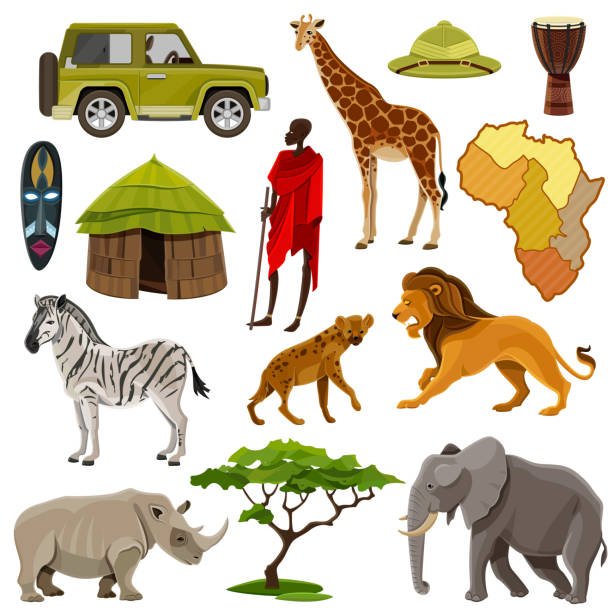
Determining which country in Africa receives the most tourists requires a close look at annual arrival statistics where Egypt and Morocco consistently lead the continental rankings. These two North African giants draw millions of visitors every year due to their unparalleled historical landmarks, Mediterranean climate, and highly developed hospitality sectors. By analyzing data from the World Tourism Organization and national ministries, we can identify the specific destinations that define the travel landscape of the continent.
The travel industry in Africa is a massive economic engine that supports millions of jobs and drives infrastructure development across various regions. Understanding the popularity of these nations helps explain why certain areas have become global hubs for luxury travel, cultural exploration, and adventurous safaris.
These are the Countries in Africa That Receive the Most Tourists
Choosing a destination often depends on the type of experience a traveler seeks, whether it is the ancient wonders of the Nile or the wild plains of the Serengeti. The countries listed below have managed to create a brand that resonates with global audiences, ensuring a steady stream of international arrivals year after year. These nations have invested heavily in their airports, hotel networks, and safety protocols to maintain their status as the most visited places on the continent. Here is a detailed look at the African countries that receive the most tourists and the unique attractions that keep them at the top of the charts.
1. Egypt
Egypt is frequently the top country in Africa receiving the most tourists, with arrival numbers often exceeding 13 million visitors in peak years. The nation’s primary draw remains the Great Pyramids of Giza and the Sphinx, which are among the most recognizable landmarks in the entire world. Beyond the ancient ruins, the Red Sea resorts of Sharm El Sheikh and Hurghada offer world-class diving and luxury relaxation that attract a significant European market. The Nile River cruises between Luxor and Aswan provide a unique way to see the density of ancient temples and tombs that line the riverbanks. Egypt has recently opened the Grand Egyptian Museum, a multi-billion dollar project that is expected to further boost tourism by housing the world's largest collection of ancient Egyptian artifacts. The government’s strategic focus on diversifying its tourism offerings has ensured that the country remains a powerhouse in the global travel market.
2. Morocco
Morocco is a very close competitor for the title of the African country which receives the most tourists, often hosting over 12 million visitors annually. The city of Marrakech serves as the heart of the tourism industry, famous for its vibrant Jemaa el-Fnaa square, ancient medinas, and luxury riads that offer an immersive cultural experience. Morocco benefits significantly from its proximity to Europe, making it an easy and affordable destination for long weekends and extended holidays alike. The diverse geography of the country allows for a wide range of activities, from surfing on the Atlantic coast in Essaouira to trekking in the snow-capped High Atlas Mountains. In the north, the blue-painted streets of Chefchaouen have become a global sensation for photography and slow travel. The nation’s political stability and its modern high-speed rail network, the Al Boraq, have made moving between major cities like Casablanca, Rabat, and Tangier incredibly efficient for international guests.
3. South Africa
South Africa is a dominant country in Africa receiving the most tourists in the southern region, typically recording around 10 million international arrivals each year. Cape Town is often voted as one of the most beautiful cities in the world, offering a mix of dramatic mountain scenery, vineyards, and white sandy beaches. For many visitors, the primary goal is a safari experience in the Kruger National Park, which is one of the largest and most accessible wildlife sanctuaries on the planet. The country’s infrastructure is among the most advanced on the continent, featuring world-class airports and a wide range of accommodations from budget hostels to ultra-luxury bush lodges. South Africa also draws tourists interested in its deep and complex history, with sites like Robben Island and the Apartheid Museum providing essential cultural context. The diversity of the "Rainbow Nation" is reflected in its world-renowned culinary scene and its status as a major hub for international conferences and sporting events.
4. Tunisia
Tunisia is a major player among the countries in Africa that receive the most tourists, particularly known for its stunning Mediterranean coastline and Roman history. Before global travel disruptions, the country saw nearly 9 million visitors a year, many of whom were European sun-seekers attracted to the resorts of Djerba and Hammamet. Tunisia offers a more affordable Mediterranean experience compared to its northern neighbors, while still providing high-quality services and amenities. The ancient ruins of Carthage and the perfectly preserved Roman amphitheater of El Jem are world-class historical sites that draw enthusiasts from every corner of the globe. The country’s Saharan landscapes, particularly the desert towns used as filming locations for Star Wars, have also become a niche but growing attraction. Tunisia’s compact size makes it easy for travelers to combine a beach holiday with cultural excursions in a single trip, maximizing their time in the country.
5. Mauritius
Mauritius is an African country which receives the most tourists per square mile, attracting over 1.4 million visitors to its island paradise annually. As a high-end luxury destination, it focuses on quality rather than sheer volume, yet it consistently ranks high in arrival statistics for the Indian Ocean region. The island is world-famous for its coral reefs, turquoise lagoons, and luxury resorts that cater to honeymooners and families seeking a secure and pristine environment. Mauritius has successfully diversified its economy, but tourism remains a cornerstone, with the government implementing strict environmental laws to protect its natural assets. Beyond the beaches, the Black River Gorges National Park and the Seven Coloured Earths of Chamarel offer unique geological and hiking experiences. The blend of Indian, African, and French cultures is evident in the island’s cuisine and architecture, providing a rich cultural layer to a typical tropical holiday.
6. Tanzania
Tanzania is a premier destination for those looking for African countries that receive the most tourists for wildlife and adventure. It hosts over 1.5 million visitors annually, many of whom are drawn to the Serengeti National Park for the Great Migration, where millions of wildebeest and zebras traverse the plains. Mount Kilimanjaro, the highest peak in Africa, attracts thousands of trekkers every year who wish to stand at the roof of the continent. On the coast, the spice island of Zanzibar provides a breathtaking contrast with its historic Stone Town and beaches that feature some of the clearest water in the world. Tanzania’s commitment to low-impact, high-value tourism has helped it preserve its vast wilderness areas while still generating significant revenue. The country’s stability and its legendary hospitality have made it a favorite for American and European travelers seeking an authentic and high-quality safari experience.
7. Kenya
Kenya is often cited as the country in Africa receiving the most tourists for classic savanna safaris, recording around 2 million arrivals in its most successful years. The Maasai Mara National Reserve is a global icon for wildlife viewing, particularly for the Big Five and the dramatic river crossings during the migration season. Nairobi, the capital, is one of the few cities in the world with a national park within its borders, allowing visitors to see giraffes and rhinos against a backdrop of skyscrapers. Kenya’s coastline, including Diani Beach and Watamu, offers a tropical escape with excellent snorkeling and kite-surfing opportunities. The nation has been a pioneer in eco-tourism, with many conservancies working directly with local communities to protect wildlife and promote sustainable travel. Kenya's long-standing reputation for tourism excellence and its well-connected international airport make it a primary gateway for travelers exploring East Africa.
8. Rwanda
Rwanda has recently emerged as a top-tier destination and is an African country which receives the most tourists in the luxury niche sector. Although its total arrival numbers are lower than Egypt or Morocco, it has seen massive growth in revenue by focusing on high-value mountain gorilla trekking in the Volcanoes National Park. Kigali is frequently ranked as one of the cleanest and safest cities on the continent, serving as a model for urban development and tourism hospitality. The country’s "Visit Rwanda" partnership with major global football clubs has significantly increased its brand visibility among international audiences. Rwanda also offers incredible birdwatching and primate trekking in Nyungwe Forest, as well as classic savanna safaris in Akagera National Park. The government’s zero-tolerance for plastic and its focus on sustainability have made it a favorite for environmentally conscious travelers who want a premium and ethical experience.
9. Senegal
Senegal is a major country in Africa receiving the most tourists in the West African region, drawing about 1.2 million visitors annually. Its capital, Dakar, is a vibrant cultural hub known for its music, art, and the haunting history of Goree Island, which served as a major slave trading post. The country offers a unique blend of French influence and West African tradition, making it a popular choice for Francophone travelers and history buffs. The Pink Lake (Lac Rose) and the desert landscapes of Lompoul provide stunning natural scenery that contrasts with the bustling urban markets. Senegal is also home to excellent birdwatching sites like the Djoudj National Bird Sanctuary, which is one of the most important bird refuges in the world. The nation’s "Teranga" philosophy of hospitality ensures that visitors feel welcome and safe, contributing to its reputation as one of the most accessible and friendly nations in the region.
10. Seychelles
Seychelles is the ultimate luxury country in Africa receiving the most tourists for exclusive island hopping and marine conservation. While its total numbers are limited by the capacity of the islands, it receives over 350,000 visitors annually, which is a significant number relative to its small population. The archipelago is home to some of the rarest species in the world, including the giant Aldabra tortoise and the Coco de Mer palm. Seychelles focuses on high-end tourism, with private island resorts offering a level of seclusion and service that is hard to find anywhere else. The beaches of Praslin and La Digue, such as Anse Source d'Argent, are consistently ranked as the most beautiful in the world due to their unique granite boulders and clear waters. The government’s dedication to keeping its islands pristine has made it a top choice for celebrities and high-net-worth individuals who value privacy and natural beauty.
Reasons Why These Countries Receive the Most Tourists in Africa
1. Historic and Cultural Significance: A major reason why a country in Africa receiving the most tourists succeeds is its ability to offer a deep connection to human history. Egypt and Ethiopia have landmarks that date back thousands of years, providing a "bucket list" experience for travelers who want to see the foundations of civilization. This historical weight creates a timeless appeal that is not subject to the changing trends of modern travel, ensuring that these sites remain popular across generations. When a nation preserves its ancient heritage, it provides a unique educational and spiritual journey that tourists cannot find in more modern destinations.
2. World-Class Wildlife and Biodiversity: Many of the African countries that receive the most tourists are those that have successfully protected their iconic wildlife. Seeing a pride of lions in Tanzania or a mountain gorilla in Rwanda is a once-in-a-lifetime experience that draws millions of nature lovers to the continent. These countries have invested in professional guiding, high-quality lodges, and sustainable park management to ensure that the wildlife remains a long-term asset. The emotional connection that humans feel with the natural world is a powerful driver that makes safari-based tourism one of the most resilient sectors in Africa.
3. Strategic Geographic Proximity: Morocco and Tunisia receive high volumes of visitors because they are just a short flight away from the major cities of Europe. This geographic advantage makes them ideal for short-haul travel, allowing European tourists to experience a completely different culture and climate without the fatigue of long-distance flights. Being close to a major economic block like the European Union provides a constant pool of potential visitors who are looking for warmth and exotic experiences. This proximity also lowers the cost of travel, making these North African nations highly competitive against domestic European destinations.
4. Diversified Tourism Portfolios: Nations that offer a mix of experiences, such as South Africa and Kenya, tend to receive more tourists because they appeal to a broader demographic. A single country in Africa receiving the most tourists might offer urban exploration, wine tasting, beach relaxation, and mountain trekking all within its borders. This variety encourages longer stays and repeat visits, as travelers feel they have only scratched the surface of what the country has to offer. By not relying on a single attraction, these nations build a more stable tourism economy that can weather changes in market preferences.
5. Open Visa Policies and Government Support: The countries in Africa that receive the most tourists are often those that have simplified their entry requirements. Rwanda and Mauritius have pioneered visa-free or visa-on-arrival systems that remove the bureaucratic hurdles that often discourage international travel. When a government prioritizes tourism as a key economic sector, it invests in marketing, safety, and infrastructure that makes the entire visitor experience more seamless. These policies signal to the world that the country is welcoming and professional, which significantly boosts its rankings on the global travel stage.
6. Political Stability and Perceived Safety: Safety is the primary concern for any traveler, and the nations that receive the most tourists are generally those with a reputation for stability. Mauritius and Seychelles are seen as safe havens in the Indian Ocean, while Morocco has maintained a peaceful internal environment for decades. A country in Africa receiving the most tourists must ensure that its visitors feel secure while exploring its cities and wilderness areas. This perception of safety is often more important than the quality of the attractions themselves, as travelers will always choose a secure destination over a volatile one.
7. Robust Air Connectivity and Logistics: Being easy to reach is a critical factor for any top-tier destination, and nations like Egypt and South Africa serve as major aviation hubs. Having a national carrier that connects to major cities in the US, Europe, and Asia allows for a consistent flow of tourists into the country. Efficient internal transport, whether through domestic flights or high-speed rail, further enhances the appeal by making it easy for guests to see multiple regions during their stay. Reliable infrastructure is the backbone of a successful tourism industry, ensuring that the logistics of travel do not overshadow the beauty of the destination.
Conclusion
In conclusion, identifying which country in Africa receives the most tourists highlights a continent that is as strategically placed as it is naturally gifted. From the historic pyramids of Egypt and the bustling medinas of Morocco to the pristine wilderness of South Africa and Tanzania, these nations are the leaders of a thriving travel industry. Each of these countries has utilized its unique assets to build a brand that attracts millions of international visitors annually. As the continent continues to modernize and improve its infrastructure, the tourism sector is expected to grow even further, bringing more prosperity to these top-rated nations. Ultimately, the beauty of Africa lies in its diversity, and the popularity of these countries is a testament to the enduring appeal of the continent's landscapes and cultures.
Enjoyed this read?
Share it with your friends and colleagues.