Which Country In Africa Has The Most Water

BSC Insights Admin
October 01, 2026
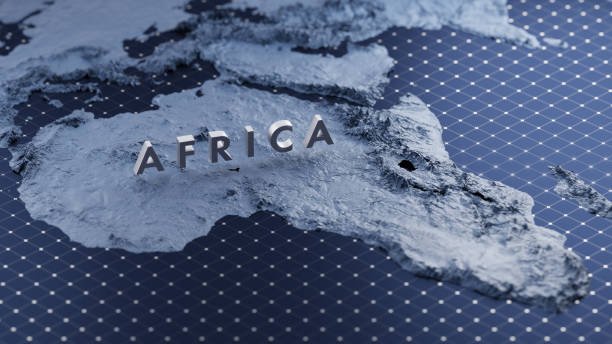
The Democratic Republic of the Congo is the country in Africa which has the most water, possessing over twenty five percent of the entire continent's renewable internal fresh water resources. This vast hydrologic wealth is primarily driven by the Congo River, which is the deepest river in the world and the second largest by discharge volume globally. Having such massive liquid assets allows the nation to support unique biodiversity, massive agricultural potential, and a hydroelectric capacity that could theoretically power a significant portion of the continent.
Water distribution across the continent is highly uneven, with lush equatorial regions holding vast reserves while arid zones struggle with chronic scarcity. This article explores the specific nations that benefit from high rainfall, massive river systems, and deep aquifers to identify which regions are the most water rich in the modern era.
These are the Countries and the African Country Which Has the Most Water
When examining which nations hold the largest volumes of renewable water, we look at the Total Renewable Water Resources measured in cubic kilometers per year. The country in Africa with the most water usually sits within the tropical belt where the Intertropical Convergence Zone brings consistent and heavy rainfall throughout the year. These resources include internal river flows, groundwater recharge, and the inflow from neighboring nations via shared basins. Below is a detailed analysis of the top ten nations that lead the continent in fresh water abundance, contributing to the regional stability and ecological health of the diverse African landscape.
1. Democratic Republic of the Congo
The Democratic Republic of the Congo stands as the undisputed leader in water abundance, boasting approximately 900 cubic kilometers of renewable internal water resources annually. The heart of this wealth is the Congo River Basin, a massive drainage system that covers nearly the entire country and maintains a steady flow due to its position across the equator. This means that while the northern tributaries might be in a dry season, the southern ones are in a wet season, ensuring the main stem of the river never runs low. The country contains vast areas of tropical rainforest which act as a giant sponge, absorbing rainwater and slowly releasing it into the river systems. This abundance provides the DRC with the potential to develop the Inga Falls project, which could become the largest hydroelectric installation on the planet. For example, the sheer volume of water entering the Atlantic from the Congo River is so great that it freshens the ocean water for many miles beyond the coastline. This massive resource makes the DRC a critical focal point for any discussion regarding continental water security and green energy production.
2. Madagascar
Madagascar is uniquely positioned as an island nation with high levels of precipitation, making it one of the African countries that have the most water per capita. The island’s central highlands act as a massive watershed, catching moisture from the Indian Ocean trade winds and distributing it through dozens of rivers like the Betsiboka and the Mangoky. Because Madagascar is isolated from the mainland, nearly all of its water resources are internally generated through rainfall rather than flowing in from other nations. The eastern coast of the island receives some of the highest rainfall totals in the southern hemisphere, often exceeding 3,500 millimeters per year in certain tropical pockets. This consistent supply of water supports a high level of endemism, with thousands of plants and animals found nowhere else on earth relying on these pristine streams. However, the distribution is skewed, with the eastern side being extremely lush while the south remains much more arid. Despite this, the total volume of water produced across the island ranks it among the top tier of water wealthy nations in the region.
3. Angola
Angola is a significant water powerhouse in Southern Africa, serving as the source for several major regional river systems including the Zambezi and the Okavango. The country receives heavy seasonal rains in its central highlands, which then flow outward into various basins that sustain life across several neighboring countries. Angola's internal renewable water resources are estimated at over 180 cubic kilometers per year, providing a solid foundation for its growing agricultural and energy sectors. The Kwanza River is the largest river entirely within Angolan borders, and it plays a vital role in providing electricity through various dam projects. Because Angola was historically affected by conflict, much of its water infrastructure is only now being developed to its full potential for irrigation and industrial use. The source of the Okavango River in the Angolan highlands is particularly vital, as it flows into Botswana to create the famous Okavango Delta, a world heritage site. This makes Angola a "water tower" for the southern portion of the continent, holding the keys to the ecological health of the Kalahari region.
4. Ethiopia
Ethiopia is often referred to as the "Water Tower of East Africa" because its rugged highlands are the source of the Blue Nile, the Sobat, and the Atbara rivers. The country possesses a unique topography that captures massive amounts of rainfall during the monsoon season, which is then channeled into deep gorges and out toward the lowlands of Sudan and Egypt. Ethiopia's renewable water resources are vital not just for its own population of over one hundred million people, but for the downstream nations that depend on the Nile for their very survival. The Great Ethiopian Renaissance Dam is a primary example of how the country is leveraging its water wealth to transform its economy through massive electricity exports. Beyond the Nile, the Omo River flows south to feed Lake Turkana, and the Awash River sustains the agriculture of the Afar region. The sheer volume of water leaving the Ethiopian highlands every year is enough to influence the geopolitics of the entire Northeast African region. This abundance of flowing water is paired with significant groundwater reserves found in the Rift Valley and the highland plateaus.
5. Zambia
Zambia is a landlocked nation that is remarkably blessed with water, containing about forty percent of the water resources in the entire Southern African Development Community. The country is defined by the Zambezi River, which forms its southern border and features the spectacular Victoria Falls, one of the largest falling curtains of water in the world. Zambia also contains massive lakes like Bangweulu and parts of Lake Tanganyika and Lake Kariba, providing vast reservoirs for fishing and power generation. The Kafue and Luangwa rivers are major tributaries that support some of the most concentrated wildlife populations on the continent within their lush floodplains. Zambia’s water wealth allows it to be a major producer of maize and other crops even during years when its neighbors might be facing drought. The country's energy grid is almost entirely dependent on the flow of its rivers, showcasing a direct link between water abundance and national economic stability. This high level of hydrologic resource makes Zambia a central player in regional water management agreements across the Zambezi Basin.
6. Republic of the Congo
The Republic of the Congo, often called Congo-Brazzaville, shares the massive Congo River with its larger neighbor, giving it access to nearly limitless volumes of fresh water. The country is covered by dense tropical forests and a network of rivers like the Sangha and the Ubangi, which are navigable year round and serve as primary transport routes. Because the population is relatively small compared to the available water, the country has one of the highest per capita water availability rates in the world. Rainfall in the northern parts of the country is extremely high and consistent, feeding into the vast Cuvette Centrale wetlands which are some of the most important carbon sinks on earth. The Republic of the Congo uses its water for transport, fishing, and increasingly for hydroelectric projects that aim to provide stable power to its urban centers. The abundance of water also supports a thriving timber industry and diverse agricultural activities in the fertile river valleys. This nation is a perfect example of how the equatorial climate can create a permanent state of water surplus that defines the local lifestyle and economy.
7. Gabon
Gabon is another central African nation where the phrase "water is everywhere" is a literal description of the landscape. The country is dominated by the Ogooue River, which flows for over one thousand kilometers and drains a basin that covers eighty percent of the national territory. Gabon receives heavy rainfall throughout most of the year, with annual averages often exceeding 2,000 millimeters across much of the country. This consistent moisture supports a forest cover that spans nearly eighty five percent of the land, making Gabon one of the most ecologically intact nations in the world. The abundance of water has allowed Gabon to maintain pristine coastal lagoons and riverine systems that are home to hippos, forest elephants, and rare fish species. While the country is famous for its oil, its future development is increasingly looking toward the sustainable use of its water for hydropower and eco tourism. The Ogooue River is the lifeblood of the nation, providing a natural highway into the deep interior and a source of food for countless communities. Gabon’s water wealth is protected by its commitment to conservation and its relatively low population density.
8. Nigeria
Nigeria is the country in Africa which has the most water in terms of raw volume within the West African sub region, primarily due to the intersection of the Niger and Benue rivers. These two massive rivers meet at Lokoja to form a single great waterway that flows into the Atlantic through the vast Niger Delta, the largest delta in Africa. Nigeria also possesses significant groundwater resources, particularly in the northern sedimentary basins and the coastal aquifers that supply the megacity of Lagos. The country's rainfall varies from the extremely wet south, which sees over 3,000 millimeters annually, to the drier north, but the overall water balance remains high. Nigeria uses these resources to power the Kainji and Shiroro dams, which are critical for the national electricity grid. The Niger Delta itself is a complex network of creeks and rivers that provide a unique, albeit environmentally challenged, aquatic habitat for millions of people. Despite the challenges of pollution and management, Nigeria's total renewable water volume remains a cornerstone of its status as a regional economic powerhouse. The agricultural sector, particularly in the fertile Middle Belt, depends heavily on the seasonal flooding and irrigation provided by these massive river systems.
9. Central African Republic
The Central African Republic is a landlocked nation that sits atop a major continental divide, with water flowing north toward Lake Chad and south toward the Congo River. The Ubangi River is the most significant waterway in the country, serving as a primary trade route and a source of water for the capital city, Bangui. The country receives ample rainfall that feeds into a dense network of streams and rivers, making it much more water secure than many of its neighbors in the Sahel. The Chari and Logone rivers also originate in or pass through the CAR, providing vital water to the Lake Chad basin which is shared with several other nations. Because the country has a relatively low population and vast areas of wilderness, its water resources remain largely unpolluted and pristine in many regions. The CAR's hydrologic potential is immense, but like many nations in the area, it requires significant investment in infrastructure to fully utilize this water for energy and large scale farming. Its position as a source of water for multiple regional basins makes it a geologically and ecologically important territory for the stability of Central Africa.
10. Sierra Leone
Sierra Leone is one of the wettest countries on the planet, with its coastal regions receiving staggering amounts of rainfall during the long monsoon season. This tropical nation is crisscrossed by several major rivers including the Rokel, the Moa, and the Sewa, which flow from the interior highlands down to the Atlantic Ocean. The abundance of water in Sierra Leone is so great that during the peak of the rainy season, the challenge is often managing the excess rather than finding enough. This water supports the cultivation of rice, the country's staple food, which is grown in the fertile inland valley swamps and coastal mangroves. The Bumbuna Dam is a key infrastructure project that harnesses the power of the Rokel River to provide electricity to the capital, Freetown. While the country has faced historical challenges with its infrastructure, the raw natural availability of fresh water is a major asset for its future development. The high humidity and consistent rains ensure that the country's lush green landscape remains productive throughout most of the year. Sierra Leone’s water wealth is a defining feature of its geography, making it a standout even in the water rich West African forest zone.
Reasons Why These Countries Have the Most Water in Africa
1. Presence of the Intertropical Convergence Zone: The primary driver for why certain countries have the most water is their location within the path of the ITCZ, a belt of low pressure that circles the Earth near the equator. As the sun heats the equatorial regions, air rises and cools, leading to frequent and intense thunderstorms that dump massive amounts of rain on nations like the DRC, Gabon, and Liberia. This meteorological phenomenon ensures a near constant supply of fresh water throughout the year, replenishing rivers and aquifers at a rate far higher than in the northern or southern arid zones. Without this atmospheric engine, the central part of the continent would not be the lush, water rich environment that we see today.
2. Vast Equatorial Rainforests: The rainforests of the Congo Basin and the Upper Guinean forests act as biological water pumps that maintain the regional climate and hydrologic cycle. These forests release moisture into the atmosphere through a process called evapotranspiration, which then falls back as rain, essentially creating a self sustaining water system. African countries that have the most water are almost always those that have successfully preserved large tracts of their original forest cover. These forests also act as natural filters and regulators, preventing rapid runoff and ensuring that rivers maintain a steady flow even during the shorter dry spells. The relationship between high forest cover and water abundance is one of the most critical ecological balances on the continent.
3. Large Scale Transboundary River Basins: Many of the water rich nations on this list are the beneficiaries of being located within massive drainage basins that collect water from across thousands of miles. The Congo, Nile, Niger, and Zambezi basins are the four largest on the continent, and the nations that control the heart of these basins naturally have access to the highest volumes of water. For example, the African country which has the most water, the DRC, sits at the bottom of a giant bowl like basin that captures water from dozens of surrounding highland regions. These basins act as natural collection points, concentrating the rainfall of a vast area into single, massive river channels that flow through the host countries.
4. High Altitude Watersheds and Plateaus: Geography plays a vital role in water collection, with high altitude regions like the Ethiopian Highlands and the Angolan Plateau acting as "water towers." These high areas cool the passing air, forcing it to release moisture as rain or mist, which then gathers into streams and flows down into the lowlands. Because evaporation is lower at higher altitudes, these regions are extremely efficient at capturing and storing water before it begins its journey across the continent. Nations with significant highland territory often have an advantage in water security because they control the headwaters of major rivers. This vertical geography is the reason why Ethiopia can supply so much water to the downstream nations of the Nile Valley.
5. Deep and Productive Aquifer Systems: Beneath the surface of many water rich African nations lie massive underground reservoirs known as aquifers that hold water accumulated over thousands of years. While the surface water is more visible, the groundwater in regions like the Congo Basin and the sedimentary layers of West Africa provides a massive buffer against drought. Countries in Africa that have the most water often have a "double wealth" consisting of both abundant rivers and high groundwater tables that are easily accessible for agriculture and drinking water. These aquifers are recharged annually by the heavy tropical rains, ensuring that the supply remains sustainable as long as the surface environment is protected. This hidden water wealth is what allows many cities and rural communities to thrive even in areas where river flow might be seasonal.
6. Favorable Continental Positioning: The way the African continent is tilted and its proximity to both the Atlantic and Indian Oceans influences which countries receive the most moisture. Coastal nations in West Africa and the eastern side of Madagascar are perfectly positioned to catch the moisture laden winds blowing off the warm ocean waters. This "orographic lift" occurs when these winds hit the coast or inland hills, resulting in the heavy coastal rains that define the climate of Sierra Leone and Guinea. This geographic luck ensures that these nations are the first to receive the moisture that the oceans provide, making them naturally water rich. The orientation of the continent’s major mountain ranges also helps channel this moisture deep into the interior, feeding the great river systems that cross multiple borders.
Conclusion
In summary, the Democratic Republic of the Congo is the country in Africa which has the most water, followed closely by other tropical giants and highland nations that serve as the continent's primary watersheds. From the massive discharge of the Congo River to the highland sources of the Blue Nile in Ethiopia, these water resources are the foundation of life and economic potential for millions. While the total volume of water is high in these specific nations, the challenge of the twenty first century remains the fair and sustainable management of these resources to ensure regional peace and prosperity. The country in Africa with the most water will likely play a leading role in the continent's transition to renewable energy through its vast hydroelectric potential. Protecting the forests and basins that generate this wealth is essential for the future of the entire African continent and the world's climate as a whole. Ultimately, the abundance of water in these nations is a natural gift that, if managed wisely, can provide a pathway to unprecedented growth and ecological stability.
Enjoyed this read?
Share it with your friends and colleagues.