Is Africa A Nation

BSC Insights Admin
September 30, 2026
Is Africa a Nation? Unveiling the Truth About the Continent's Diversity
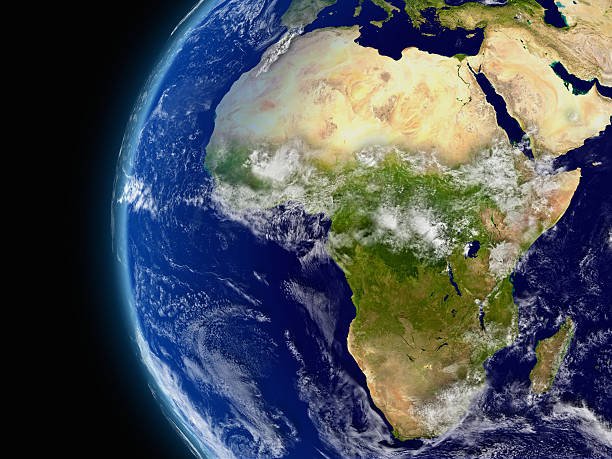
No, Africa is not a nation; it is a vast and incredibly diverse continent, the second largest in the world, comprising 54 internationally recognized sovereign countries. This fundamental distinction is crucial for understanding its rich tapestry of cultures, economies, geographies, and political systems, dispelling a common misconception that often oversimplifies its complex identity. Far from being a single political entity, Africa is a mosaic of independent states, each with its own unique heritage, languages, and governance.
Understanding Africa: A Continent of Immense Proportions
The question “Is Africa a nation?” highlights a prevalent misunderstanding that tends to generalize an entire continent. To truly grasp Africa's identity, one must first recognize its sheer scale and geographical reality. Africa is a landmass spanning over 30 million square kilometers, covering approximately 20% of the Earth's land area. This immense size alone suggests that grouping it under a single national identity is geographically inaccurate and conceptually flawed.
- Geographical Reality: Africa is bordered by the Mediterranean Sea to the north, the Suez Canal and the Red Sea to the northeast, the Indian Ocean to the southeast, and the Atlantic Ocean to the west. Its diverse landscapes include the Sahara Desert, the Nile River (the longest in the world), vast rainforests, sprawling savannas, and majestic mountain ranges like Mount Kilimanjaro.
- The Number of Nations: Within these borders are 54 distinct, independent countries. Each of these African countries operates with its own government, currency, legal system, and diplomatic relations. Examples range from populous nations like Nigeria and Egypt to island states such as Seychelles and Comoros, and landlocked nations like Ethiopia and Rwanda. Each of these nations contributes uniquely to the overall identity of the continent of Africa.
The Tapestry of African Diversity
The idea of Africa as a single nation crumbles when one examines the profound levels of diversity across the continent. This diversity is not merely superficial but deeply embedded in every aspect of life, from language and culture to economy and politics.
Cultural Diversity: A Kaleidoscope of Traditions
Perhaps the most striking aspect of Africa's diversity is its cultural richness. The continent is home to an estimated 3,000 distinct ethnic groups and over 2,000 different languages. This linguistic and ethnic variety far surpasses that of any other continent, making it a true global treasure.
- Languages: While some languages like Swahili, Arabic, and French are widely spoken in certain regions due to historical factors, there is no single 'African language.' Nations like South Africa alone recognize 11 official languages, showcasing the immense linguistic diversity within just one country.
- Traditions and Religions: From the ancient traditions of the Maasai in East Africa to the vibrant festivals of West Africa and the rich historical legacies of North African cultures, customs vary dramatically. Similarly, religious practices encompass a wide spectrum, including indigenous beliefs, Christianity, and Islam, often coexisting and influencing each other in unique ways.
Geographical and Ecological Diversity
The physical landscape of Africa is as varied as its people, directly impacting lifestyles, economies, and historical developments.
- Deserts and Savannas: The expansive Sahara and Kalahari deserts define large regions, while the vast savannas of East and Southern Africa are renowned for their wildlife, supporting unique ecosystems and economies based on tourism and pastoralism.
- Rainforests and Mountains: The Congo Basin hosts the second-largest rainforest in the world, vital for global biodiversity. Towering mountains like the Atlas Mountains in the north and the Drakensberg in the south offer different climates and agricultural opportunities.
Economic Landscape: Growth and Variation
The economic landscape of Africa is dynamic and highly varied, challenging any notion of a monolithic 'African economy'. While many nations face developmental challenges, others are experiencing rapid growth and industrialization.
- Resource-Rich Economies: Countries like Nigeria (oil), South Africa (minerals), and Botswana (diamonds) boast economies heavily reliant on natural resources.
- Diversifying Economies: Nations such as Kenya and Rwanda are making strides in technology, tourism, and services, demonstrating a shift towards more diversified economic models.
- Trade Blocs: Regional economic communities like ECOWAS (Economic Community of West African States) and SADC (Southern African Development Community) facilitate trade and integration among member states, further highlighting the continent's organized economic complexity rather than a single market.
Political Systems: A Spectrum of Governance
Just like its cultural and economic dimensions, the political systems in Africa are diverse. The continent is home to presidential republics, parliamentary democracies, constitutional monarchies, and hybrid systems. While political stability has been a historical challenge in some areas, many nations are strengthening democratic institutions and fostering good governance.
Debunking Common Misconceptions About Africa
The belief that Africa is a nation stems from, and perpetuates, several pervasive misconceptions. Addressing these myths is essential for a more accurate and respectful understanding of the continent.
- Myth: Africa is a homogenous entity.
Reality: As discussed, Africa is profoundly diverse in every measurable aspect – culture, language, geography, economy, and politics. Treating it as a single entity disregards its incredible richness.
- Myth: Africa is universally poor and war-torn.
Reality: While challenges exist, many African countries have achieved significant economic growth, poverty reduction, and improved governance. The continent boasts some of the world's fastest-growing economies, vibrant cities, and thriving innovation hubs. Conflicts, while tragic, are localized and do not represent the entire continent.
- Myth: Africa has one dominant culture or language.
Reality: This is entirely false. With thousands of languages and countless distinct cultural practices, Africa is a cradle of human diversity, not cultural uniformity.
The Role of the African Union (AU)
Understanding the role of the African Union (AU) is vital in clarifying why Africa is not a nation. The AU is an intergovernmental organization comprising all 55 member states (including Sahrawi Arab Democratic Republic) on the African continent.
- Purpose: The AU aims to promote unity, solidarity, peace, security, and economic development among its member states. It fosters cooperation and integration but does not supersede the sovereignty of individual nations.
- Not a Federal Government: Crucially, the AU is not a federal government like that of the United States, nor is it a supranational body with legislative power over its members in the same way some aspects of the European Union operate. Member states retain their full independence and sovereignty. Its decisions are often implemented through consensus and cooperation rather than direct command.
- Similarities and Differences: While the AU draws inspiration from organizations like the European Union in its goal of regional integration, its structure and powers respect the distinct national identities and sovereignties of its member states.
Why This Distinction Matters: Fostering Accurate Global Engagement
Recognizing that Africa is a continent and not a single nation is more than just a geographical correction; it is fundamental to fostering accurate, respectful, and productive engagement with its people and countries.
- Avoiding Generalizations: It prevents harmful stereotypes and broad generalizations that obscure the unique challenges and triumphs of individual nations.
- Informed Policy and Investment: For international policymakers, investors, and businesses, understanding the nuances of each country's political, economic, and social landscape is critical for effective engagement and sustainable partnerships.
- Celebrating Diversity: It allows for a deeper appreciation of the continent's incredible diversity and the distinct contributions of each of its 54 nations to global culture, innovation, and development.
- Promoting Respect: Ultimately, it signifies a respect for the self-determination and distinct identities of the millions of people living across this magnificent continent.
Exploring the Richness of Individual African Countries
To further illustrate the continent's diversity, consider a few examples of African nations:
- Egypt: Known for its ancient civilization, iconic pyramids, and the life-giving Nile River, Egypt in North Africa boasts a rich history and a unique cultural blend of ancient Pharaonic, Islamic, and Coptic Christian influences. Its economy is driven by tourism, Suez Canal revenues, and agriculture.
- South Africa: Located at the southern tip, South Africa is often called the 'Rainbow Nation' due to its incredible ethnic and cultural diversity. It has a modern, industrialized economy, stunning natural landscapes, and a complex history marked by apartheid and subsequent democratic transition.
- Kenya: A prominent East African nation, Kenya is famous for its wildlife safaris in the Maasai Mara, vibrant Maasai culture, and its role as a regional economic hub. Its economy relies on tourism, agriculture (especially tea and coffee), and increasingly, technology.
- Nigeria: West Africa's most populous country and a major oil producer, Nigeria is an economic powerhouse with a rich cultural heritage, including its vibrant Nollywood film industry. It is home to hundreds of ethnic groups and languages, making it a microcosm of African diversity.
Conclusion
In conclusion, the answer to 'Is Africa a nation?' is a resounding no. Africa is a continent of unparalleled diversity, home to 54 independent and sovereign countries, each with its own unique identity, history, and future. From the ancient civilizations of North Africa to the modern metropolises of the south, and from the vast deserts to lush rainforests, the continent defies any attempt at singular definition. Embracing this reality is the first step towards a more informed, appreciative, and respectful understanding of Africa's immense contributions to the world and its boundless potential. Recognizing Africa as a continent of nations allows for an appreciation of its complexities and celebrates the rich mosaic that truly defines it.
Enjoyed this read?
Share it with your friends and colleagues.