Does Africa Get Natural Disasters

BSC Insights Admin
October 01, 2026
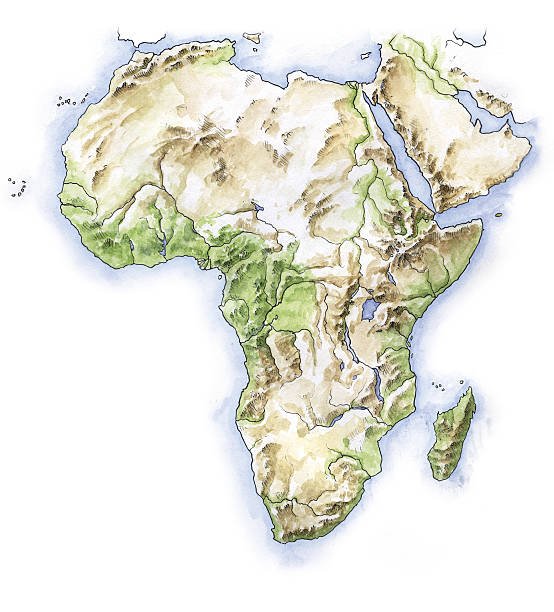
When considering the question, Does Africa get natural disasters? the unequivocal answer is yes. Africa, a continent of vast geographical diversity and complex climatic patterns, is indeed prone to and frequently affected by a wide array of natural hazards. From devastating droughts and widespread floods to seismic activity and powerful tropical cyclones, various regions across Africa regularly grapple with the profound impacts of these events, which are often exacerbated by climate change and socio-economic vulnerabilities.
The perception that Africa might be less susceptible to natural disasters compared to other continents is a misconception. In reality, many African nations are on the front lines of climate change impacts, facing increased frequencies and intensities of extreme weather events. Understanding the specific types of natural disasters and their regional prevalence is crucial for grasping the full scope of the continent's environmental challenges and its ongoing efforts in disaster preparedness and mitigation.
Africa's Diverse Vulnerability to Natural Disasters
Africa's immense size and diverse geography contribute significantly to its varied exposure to natural hazards. The continent spans multiple climate zones, from arid deserts to lush rainforests, high mountain ranges to extensive coastlines. This geological and meteorological diversity means that different regions face distinct threats.
Factors that heighten Africa's vulnerability to natural disasters include:
- Geographic Extremes: The Sahel region and the Horn of Africa are inherently susceptible to drought, while coastal areas in the east and southeast are exposed to tropical cyclones.
- Climate Change Impacts: Shifting rainfall patterns, rising temperatures, and sea-level rise are intensifying existing hazards and introducing new risks.
- Socio-Economic Factors: High levels of poverty, rapid urbanization, inadequate infrastructure, and reliance on rain-fed agriculture leave communities particularly susceptible to the devastating effects of these events.
- Limited Resources: Many African nations have limited financial and technical resources for robust early warning systems, resilient infrastructure, and effective disaster response.
Major Types of Natural Disasters Affecting Africa
Africa experiences a broad spectrum of natural disasters, each with its unique characteristics and regional impacts.
Droughts: A Persistent Threat to Food Security
Drought in Africa is arguably one of the most pervasive and devastating natural disasters, particularly in the arid and semi-arid regions. Prolonged periods of insufficient rainfall lead to water scarcity, crop failure, livestock deaths, and widespread food insecurity. The human toll is often immense, with millions facing hunger and displacement.
- Horn of Africa: Countries like Somalia, Ethiopia, and Kenya have repeatedly suffered from severe droughts, leading to humanitarian crises.
- Sahel Region: Stretching across the continent from Senegal to Sudan, the Sahel is characterized by erratic rainfall and desertification, making its populations highly vulnerable to recurrent droughts.
- Southern Africa: Nations such as South Africa, Zimbabwe, and Mozambique also experience periodic droughts that severely impact agricultural output and water resources.
These events often trigger forced migration, conflict over scarce resources, and long-term developmental setbacks, highlighting the urgent need for enhanced water management and sustainable agricultural practices.
Floods: From River Basins to Urban Areas
While drought often captures headlines, floods in Africa are equally destructive, affecting vast areas and causing significant loss of life, displacement, and damage to infrastructure. Flooding can take several forms:
- Riverine Floods: Major river systems like the Nile, Niger, Congo, and Zambezi can overflow their banks during heavy rainy seasons, inundating surrounding lands.
- Flash Floods: Often occurring in arid and semi-arid areas, sudden intense rainfall can create powerful, fast-moving torrents that overwhelm dry riverbeds and urban drainage systems.
- Coastal Floods: Rising sea levels and storm surges, especially during tropical cyclones, threaten low-lying coastal cities and communities.
- Urban Floods: Rapid and often unplanned urbanization, coupled with inadequate drainage, makes many African cities highly vulnerable to flooding, even from moderate rainfall.
Recent years have seen devastating floods in East Africa (e.g., Kenya, Uganda, Tanzania), West Africa (e.g., Nigeria, Niger), and Southern Africa (e.g., Malawi, Mozambique), destroying homes, crops, and infrastructure, and often leading to outbreaks of waterborne diseases.
Cyclones and Tropical Storms: A Coastal Menace
The southeastern coast of Africa and the island nations in the Indian Ocean are regularly battered by tropical cyclones Africa. These powerful storms bring torrential rains, strong winds, and storm surges, causing widespread destruction.
- Mozambique: This country is particularly susceptible, with cyclones like Idai (2019) causing catastrophic damage, massive displacement, and loss of life.
- Madagascar: The island nation frequently faces direct hits from cyclones, impacting its agriculture, infrastructure, and unique biodiversity.
- Other Affected Nations: Mauritius, Comoros, and parts of Tanzania and South Africa also experience the effects of these powerful weather systems.
The destructive force of these cyclones often overwhelms local capacities for response and recovery, necessitating significant international humanitarian assistance.
Earthquakes and Volcanic Activity: The Dynamic East African Rift Valley
While not as frequent or widespread as droughts and floods, earthquakes in Africa and volcanic activity are significant hazards, particularly along the East African Rift Valley (EARV). This active geological zone is a site of continental divergence, characterized by faults, volcanoes, and seismic tremors.
- East African Rift Valley: Countries like the Democratic Republic of Congo (DRC), Rwanda, Uganda, Kenya, Tanzania, and Ethiopia lie within this active zone.
- Volcanic Eruptions: Mount Nyiragongo in the DRC is one of Africa's most active volcanoes, with significant eruptions in 2002 and 2021 causing widespread destruction in Goma. Other active or dormant volcanoes dot the landscape, including Ol Doinyo Lengai in Tanzania and several in Ethiopia.
- Seismic Activity: Moderate to strong earthquakes occur periodically along the rift, capable of causing structural damage and landslides.
The proximity of rapidly growing urban centers to these geologically active areas raises concerns about future disaster potential.
Landslides: A Consequence of Heavy Rains and Deforestation
Landslides Africa are often secondary hazards, triggered by intense rainfall, earthquakes, or human activities like deforestation and unsustainable land use. Hilly and mountainous regions, particularly where forest cover has been depleted, are highly vulnerable.
- East Africa: Areas with steep terrains, such as Ethiopia, Kenya, and Uganda, experience frequent landslides during heavy rainy seasons.
- West Africa: Sierra Leone faced a catastrophic mudslide in Freetown in 2017, highlighting the dangers in densely populated, deforested urban peripheries.
These events can bury homes, roads, and agricultural land, leading to significant loss of life and infrastructure.
Desertification and Sandstorms: Expanding Arid Zones
Desertification Africa, particularly in the Sahel region, is a slow-onset disaster driven by climate change, unsustainable land management, and population pressure. The expansion of arid conditions reduces arable land, exacerbates food insecurity, and leads to environmental degradation.
- Sandstorms: More frequent and intense sandstorms, originating from the Sahara and other desert regions, impact air quality, health, and transport across vast areas of North and West Africa.
These processes undermine the long-term resilience of communities and ecosystems.
Factors Exacerbating Disaster Impacts in Africa
Several underlying factors amplify the severity and consequences of natural disasters in Africa.
Climate Change: A Multiplier of Risk
Climate change Africa impact is undeniable. It acts as a risk multiplier, increasing the frequency and intensity of extreme weather events. Rising global temperatures contribute to more severe droughts, more intense rainfall leading to floods, and stronger tropical cyclones. Changing seasons and unpredictable weather patterns disrupt traditional agricultural cycles, further jeopardizing livelihoods and food security across the continent.
Socio-Economic Challenges: Limited Capacity for Resilience
The socio-economic landscape in many African countries presents significant challenges to building disaster resilience Africa. High rates of poverty mean that many communities lack the resources to build resilient homes, access early warning information, or recover effectively after a disaster. Rapid and often unplanned urbanization concentrates populations in vulnerable areas, increasing exposure to hazards. Weak infrastructure, including poor road networks and communication systems, can hinder effective emergency response and humanitarian aid delivery.
Environmental Degradation: Eroding Natural Buffers
Extensive deforestation, unsustainable agricultural practices, and overgrazing contribute to soil erosion, land degradation, and the loss of natural ecosystems that traditionally act as buffers against natural hazards. For example, deforested hillsides are more prone to landslides, and degraded coastlines offer less protection against storm surges.
Disaster Preparedness and Mitigation Efforts in Africa
Despite the significant challenges, there are ongoing efforts to enhance disaster preparedness Africa and build resilience across the continent. These initiatives range from local community-based projects to regional and international collaborations.
- Early Warning Systems: Investment in meteorological services and dissemination of early warnings for droughts, floods, and cyclones helps communities prepare and evacuate if necessary.
- Infrastructure Development: Building resilient infrastructure, such as improved drainage systems, dams for water storage, and climate-resistant housing, is crucial.
- Sustainable Land Management: Promoting practices like afforestation, terracing, and conservation agriculture helps reduce soil erosion and improve water retention.
- Community-Based Approaches: Empowering local communities with knowledge, resources, and training to develop their own disaster response plans.
- Regional and International Cooperation: Organizations like the African Union, along with various UN agencies and NGOs, play a vital role in coordinating humanitarian aid, sharing expertise, and advocating for climate action and disaster risk reduction policies.
- Climate Adaptation Strategies: Implementing long-term strategies, such as developing drought-resistant crops and diversified livelihoods, helps communities adapt to changing climate patterns.
The Human and Economic Cost
The impact of natural disasters Africa is profound, extending far beyond immediate losses. They lead to significant human suffering, including loss of life, injury, and mass displacement. Economically, disasters destroy infrastructure, disrupt supply chains, and cripple agricultural sectors, hindering economic growth and exacerbating poverty. The long-term recovery process can divert essential resources from development initiatives, creating a cyclical challenge for affected nations.
For instance, a major drought can wipe out years of development gains, forcing governments and aid organizations to focus on emergency relief rather than sustainable development projects. The destruction of schools and health facilities also has lasting impacts on education and public health outcomes.
Conclusion
In conclusion, the answer to the question, Does Africa get natural disasters? is an emphatic yes. Africa is a continent highly susceptible to a wide array of natural hazards, including severe droughts, devastating floods, powerful tropical cyclones, and significant seismic and volcanic activity. These events are often intensified by the overarching challenges of climate change, socio-economic vulnerabilities, and environmental degradation. While the impacts are severe, leading to significant human and economic costs, there are ongoing and increasing efforts to enhance disaster preparedness, build resilience, and mitigate the risks across the continent. Addressing these complex challenges requires sustained investment in early warning systems, resilient infrastructure, sustainable practices, and robust international cooperation to protect lives and foster long-term development.
Enjoyed this read?
Share it with your friends and colleagues.