Is Africa Full Of Natural Resources

BSC Insights Admin
September 30, 2026
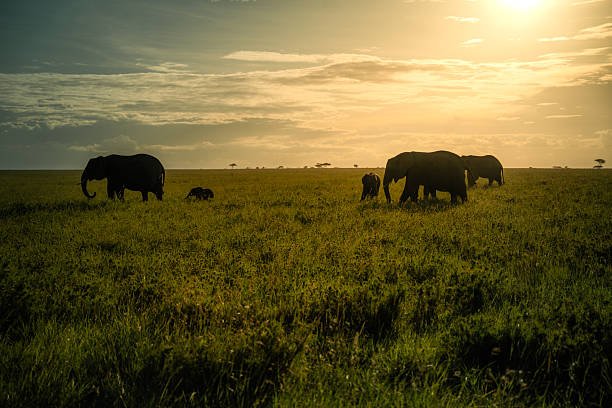
Yes, Africa is undeniably rich in natural resources, possessing an extraordinary abundance and diversity that makes it one of the most resource-endowed continents on Earth. From vast mineral deposits of gold, diamonds, and platinum to significant reserves of oil, gas, and an immense agricultural potential, Africa's natural wealth is staggering. This rich endowment holds profound implications for global industries and the continent's own development trajectory, positioning Africa as a critical player in the global supply chain for numerous commodities.
Understanding Africa's Resource Landscape
Africa's geology and geography have blessed it with a disproportionate share of the world's natural endowments. This wealth isn't just about precious metals or energy; it extends to a wide array of resources vital for modern industry, technology, and food security. The sheer scale of African resources is often highlighted by its significant global market share in various commodities.
The Mineral Riches of Africa
The continent is globally recognized for its incredible mineral wealth, boasting a substantial portion of the world's known reserves for many critical minerals. This makes Africa's mineral resources a cornerstone of its economic potential.
Precious Metals and Stones
- Gold: Africa is a major gold producer, with countries like South Africa, Ghana, Mali, and Sudan being key contributors. South Africa, historically, has been one of the world's largest gold producers.
- Diamonds: Botswana, South Africa, Angola, and the Democratic Republic of Congo (DRC) are prominent diamond producers. Botswana, in particular, has leveraged its diamond wealth for significant economic development.
- Platinum Group Metals (PGMs): South Africa holds the vast majority of the world's platinum reserves, essential for catalytic converters and various industrial applications.
Industrial and Strategic Minerals
- Copper: The "Copperbelt" region, spanning the DRC and Zambia, is one of the world's most significant sources of copper, a vital metal for electronics and construction.
- Cobalt: The DRC alone accounts for over 70% of global cobalt production, a critical component in electric vehicle batteries and other high-tech applications.
- Bauxite: Guinea possesses some of the world's largest bauxite (aluminum ore) reserves, playing a crucial role in the global aluminum industry.
- Iron Ore: Mauritania, South Africa, and Liberia have substantial iron ore deposits.
- Uranium: Niger and Namibia are significant producers of uranium, used in nuclear energy generation.
- Coltan (Columbite-Tantalite): The DRC is a major source of coltan, essential for cell phones and other electronic devices.
Africa's Vast Energy Resources
Beyond minerals, Africa is also a powerhouse in energy resources, with significant reserves of fossil fuels and immense potential for renewable energy.
Fossil Fuels
- Oil and Gas: West African nations like Nigeria, Angola, and Ghana are significant oil producers. North African countries such as Algeria, Libya, and Egypt also hold substantial oil and natural gas reserves. These resources are crucial for global energy markets.
- Coal: South Africa is a major global coal producer and exporter, with extensive reserves supporting its power generation and industrial sectors.
Renewable Energy Potential
Africa's potential for renewable energy sources is truly immense, offering a pathway to sustainable development and energy security.
- Hydroelectric Power: Major river systems like the Congo, Nile, Zambezi, and Niger offer colossal hydroelectric potential. Projects such as the Grand Ethiopian Renaissance Dam (GERD) and the proposed Grand Inga Dam in the DRC highlight this capacity.
- Solar Energy: With abundant sunshine across much of the continent, particularly in the Sahara and Sahel regions, Africa has world-leading solar energy potential. This is a game-changer for off-grid communities and large-scale power generation.
- Geothermal Energy: The East African Rift Valley provides significant geothermal energy opportunities, with Kenya being a leader in its utilization.
- Wind Energy: Coastal areas and certain inland regions also possess considerable wind energy potential.
Agricultural and Land Resources
Africa's agricultural potential is often overshadowed by its mineral wealth, but it is equally, if not more, significant for the continent's long-term prosperity and food security.
- Vast Arable Land: Africa holds an estimated 60% of the world's uncultivated arable land, presenting a huge opportunity for increased food production and agricultural exports.
- Key Agricultural Products: The continent is a major producer of cocoa (Côte d'Ivoire and Ghana), coffee, tea, cotton, palm oil, tropical fruits, and various grains. Livestock farming is also prevalent across many regions.
- Forests: The Congo Basin is the second-largest rainforest in the world, providing timber, non-timber forest products, and critical ecosystem services.
Water and Biodiversity
Beyond land and minerals, Africa is home to critical water resources and unparalleled biodiversity.
- Water Resources: Major rivers like the Nile, Congo, Niger, and Zambezi provide essential water for agriculture, human consumption, and hydroelectric power. The continent also has significant underground water reserves.
- Biodiversity: Africa boasts an extraordinary array of ecosystems, from savannas and deserts to rainforests and marine environments. This biodiversity includes iconic wildlife and a vast genetic resource for future generations.
The Paradox of Plenty: Challenges and Opportunities
Despite being so rich in natural resources, many African countries face significant developmental challenges, a phenomenon often termed the "resource curse" or "paradox of plenty." This refers to the situation where countries with abundant natural resources tend to have less economic growth, democracy, and worse development outcomes than countries with fewer natural resources.
Key Challenges for Resource-Rich Africa
- Governance and Corruption: Weak governance, lack of transparency, and corruption can divert resource revenues away from public services and into private hands, hindering development.
- Conflict and Instability: Competition over resource control can fuel internal conflicts and regional instability, particularly for "conflict minerals" like coltan and diamonds.
- Lack of Diversification: Over-reliance on raw material exports makes economies vulnerable to global commodity price fluctuations, impeding industrialization and job creation.
- Limited Value Addition: Most African resources are exported as raw materials, meaning that the full economic benefits of processing and manufacturing occur elsewhere, limiting local job creation and technological transfer.
- Environmental Degradation: Extractive industries can lead to deforestation, water pollution, soil erosion, and habitat destruction if not properly managed.
- Infrastructure Deficits: Inadequate infrastructure for transportation, energy, and processing hinders the efficient and profitable exploitation of resources.
Opportunities for Sustainable Development
However, Africa's resource wealth also presents immense opportunities for transformative development if managed effectively and equitably.
- Value Addition and Beneficiation: Investing in local processing and manufacturing can create higher-value products, generate more jobs, and boost economic growth. For example, refining crude oil domestically instead of exporting it, or cutting and polishing diamonds within Africa.
- Economic Diversification: Leveraging resource revenues to invest in other sectors like manufacturing, services, and technology can reduce dependence on commodities and build more resilient economies.
- Good Governance and Transparency: Implementing strong regulatory frameworks, combating corruption, and ensuring transparent revenue management (e.g., through initiatives like the Extractive Industries Transparency Initiative - EITI) are crucial for equitable distribution of benefits.
- Infrastructure Development: Resource revenues can be strategically invested in critical infrastructure projects, from roads and railways to energy and internet connectivity, which underpin broader economic development.
- Human Capital Development: Investing in education, vocational training, and healthcare can equip the workforce with the skills needed to participate in and benefit from resource industries and diversified economies.
- Regional Integration: Cross-border cooperation on resource management, infrastructure, and trade can unlock economies of scale and foster greater stability and shared prosperity across the continent.
- Sustainable Resource Management: Adopting environmentally responsible mining and agricultural practices, coupled with robust environmental impact assessments, can mitigate negative ecological consequences.
Moving Forward: Unlocking Africa's Full Potential
The question "Is Africa full of natural resources?" is unequivocally answered with a resounding yes. The continent possesses an extraordinary array of mineral, energy, agricultural, and biological assets that are vital for global economic growth and technological advancement. However, simply having these resources is not enough. The future prosperity of Africa hinges on its ability to transition from merely being a source of raw materials to a continent that adds value, manages its wealth transparently, and invests strategically in its people and diversified economy.
By prioritizing good governance, investing in human capital, fostering industrialization, and embracing sustainable practices, Africa can harness its immense natural wealth to overcome the paradox of plenty. This will allow the continent to build resilient, inclusive economies that deliver lasting prosperity and improve the quality of life for its growing population, solidifying its role as a powerful and self-reliant global economic player.
Enjoyed this read?
Share it with your friends and colleagues.