Did Africa Not Have The Wheel

BSC Insights Admin
October 01, 2026
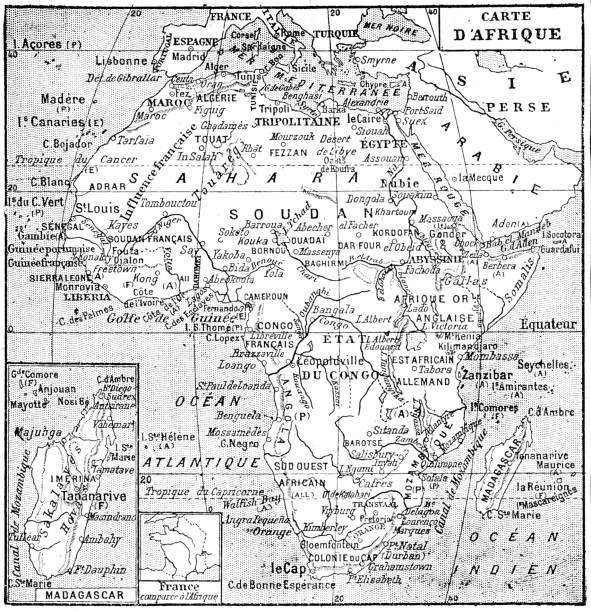
Did Africa Not Have The Wheel? Unraveling the Continent's Transportation History
The question, "Did Africa not have the wheel?" is often posed, carrying with it a common misconception about the continent's technological history. The simple answer is that Africa did indeed have the wheel, but its adoption, utility, and widespread use varied significantly across different regions, particularly between North Africa and Sub-Saharan Africa. While ancient civilizations in North Africa, like Egypt, extensively utilized wheeled vehicles for millennia, the widespread use of the wheel faced unique environmental, geographical, and cultural challenges in many parts of Sub-Saharan Africa, leading to the development and preference for highly effective alternative transport systems.
Understanding the presence and absence of the wheel in Africa requires a nuanced historical and environmental perspective, challenging simplistic narratives about technological advancement. It underscores how different societies innovate and adapt to their specific conditions, rather than adhering to a single, universal path of development.
The Wheel's Prominent Role in North Africa
When discussing the wheel in Africa, it is crucial to distinguish between the continent's northern and southern regions. North Africa, with its close proximity and historical ties to the Mediterranean, Near East, and Europe, saw widespread adoption and advanced use of wheeled technology from very early periods.
Ancient Egypt: Masters of Wheeled Transport
Ancient Egypt provides perhaps the most compelling evidence of the wheel's presence and sophisticated application in Africa. Far from lacking the wheel, the Egyptians utilized it extensively, primarily for two main purposes:
-
Chariots: Introduced around the Second Intermediate Period (c. 1650–1550 BCE), likely from the Hyksos, chariots became indispensable for warfare, hunting, and ceremonial processions. The design and construction of Egyptian chariots were highly advanced, reflecting a deep understanding of mechanics and material science. These two-wheeled vehicles were lightweight, maneuverable, and often intricately decorated.
-
Carts and Wagons: For heavy lifting and agricultural purposes, multi-wheeled carts and wagons were employed. While evidence for their daily civilian use on a large scale for long-distance transport is less pervasive than for chariots, they were certainly used in construction (though sledges and rollers were also prominent) and potentially for local agricultural hauling. The principle of the wheel was well-understood and applied where practical.
Beyond Egypt, regions like ancient Libya and Nubia (modern-day Sudan) also saw the influence and adoption of wheeled technology, often through trade and cultural exchange with their Egyptian and later Roman neighbors. The Meroitic kingdom in Nubia, for instance, had its own advanced metallurgical capabilities and was integrated into wider trade networks where wheeled transport was known.
Roman and Carthaginian Africa: Infrastructure for the Wheel
The northern coastal strip of Africa, encompassing modern-day Tunisia, Algeria, Morocco, and parts of Libya, was a vital part of the Roman Empire and previously home to the powerful Carthaginian civilization. Both these powers were avid users of wheeled vehicles, and they brought their advanced road networks and transportation systems to Africa.
-
Carthage: Before its destruction, Carthage was a major maritime power and a hub for trade, undoubtedly utilizing wheeled carts for goods movement within its cities and agricultural hinterlands.
-
Roman Provinces: Roman Africa was crisscrossed with well-engineered roads designed to facilitate the movement of legions, trade goods, and administrative personnel. Along these roads, Roman wheeled wagons and carts were commonplace, essential for transporting vast quantities of grain, olive oil, and other resources to Rome. Extensive archaeological remains, including mosaics depicting carts and actual road segments, confirm this.
Thus, for a significant portion of Africa, especially the regions bordering the Mediterranean Sea and the Red Sea, the wheel was not only present but was a fundamental component of their advanced logistical and military systems.
Sub-Saharan Africa: Environmental Realities and Alternative Innovations
The narrative surrounding the wheel's limited adoption in much of Sub-Saharan Africa is complex and often misunderstood. It's not a story of a lack of ingenuity, but rather one of practical adaptation to extraordinary environmental and biological challenges that made wheeled transport less efficient, and often impossible, compared to other methods.
Geographic and Environmental Challenges
Several significant factors hindered the widespread utility of the wheel in Sub-Saharan Africa:
-
Tsetse Fly and Sleeping Sickness: Perhaps the single most critical factor was the prevalence of the tsetse fly across vast swathes of tropical and subtropical Africa. The tsetse fly carries trypanosomiasis (sleeping sickness), a deadly disease for both humans and, crucially, draft animals like oxen, horses, and donkeys. Without robust, disease-resistant draft animals, wheeled vehicles become extremely limited in their practical application, as human-pulled wagons are inefficient over long distances and difficult terrain.
-
Varied and Difficult Terrain: Much of Sub-Saharan Africa consists of dense rainforests, vast savannas, rugged mountains, and numerous river systems. Constructing and maintaining roads suitable for wheeled vehicles was incredibly difficult. Roads would quickly be overgrown, washed away by heavy rains, or become impassable mud tracks. The existing network of footpaths and narrow trails, perfectly suited for human porters and head-loading, was not conducive to wheeled traffic.
-
Lack of Suitable Infrastructure: Even if draft animals were available, the absence of widespread, hard-surfaced roads meant that wheeled vehicles would bog down in sand or mud, break axles on uneven ground, or be unable to navigate through dense vegetation. The cost and labor required to build and maintain an extensive road network for wheels would have been immense, diverting resources from other vital societal needs.
Ingenious Alternative Transport Systems
Rather than adopting the wheel in areas where it was impractical, African societies developed highly efficient and appropriate alternative transport systems that were perfectly suited to their environments. These methods showcased remarkable ingenuity and an understanding of local conditions.
-
Head-Loading: This was, and in many places still is, the predominant method of transport for goods. Individuals, predominantly women, developed incredible skill in carrying heavy loads (often 20-30 kg or more) balanced on their heads. This method has several advantages:
-
It requires no infrastructure other than footpaths.
-
It's highly adaptable to uneven, narrow, and steep terrain.
-
It allows for hands-free movement, aiding balance and navigation.
-
It distributes weight efficiently over the spine, with practice.
-
-
Water Transport: Africa's vast river systems (Nile, Niger, Congo, Zambezi) and lakes were major arteries for trade and movement. Canoes, rafts, and boats of various designs were developed for efficient transport of people and goods, often connecting distant communities and facilitating complex trade networks over thousands of kilometers. This was arguably the most significant form of long-distance, heavy-load transport in many regions.
-
Porterage: For very heavy or bulky items, human porters working in teams were employed. While labor-intensive, this was often the only viable method for moving large loads through dense forests or mountainous regions before modern infrastructure.
-
Animal Transport (Limited): In regions free of the tsetse fly, animals like donkeys were used for carrying loads, particularly in the drier savannas and parts of the Sahel. The Trans-Saharan trade routes, which connected North and West Africa, relied almost exclusively on camels—the ultimate desert draft animal—which are not typically associated with wheeled vehicles in that context.
These systems were not primitive; they were sophisticated solutions born out of necessity and tailored to the unique African landscape, demonstrating a profound practical intelligence.
Evidence of Wheels in Sub-Saharan Africa: Rare but Not Absent
While not widespread, there's limited archaeological and historical evidence suggesting the presence or knowledge of the wheel in certain parts of Sub-Saharan Africa, often linked to external trade and specific geographical niches.
The Aksumite Kingdom: A Notable Exception
The ancient Aksumite Kingdom, located in present-day Ethiopia and Eritrea, stands out as a significant civilization in Sub-Saharan Africa that did utilize wheeled transport. Aksum was a major trading power, connecting the Roman Empire, Egypt, Arabia, and India. Archaeological excavations at Aksum have uncovered evidence of road networks and what appear to be depictions or remains of wheeled carts, particularly in contexts related to monumental construction and trade.
This use of wheels in Aksum was likely facilitated by several factors:
-
Proximity to Trade Routes: Its strategic location on the Red Sea brought it into direct contact with cultures that extensively used the wheel.
-
Highlands Environment: Parts of the Aksumite kingdom were in highland areas, which might have been less affected by the tsetse fly, allowing for the use of draft animals like oxen.
-
Monumental Architecture: The construction of massive stelae (obelisks) and other large structures would have benefited from wheeled or roller-based transport, similar to how the Egyptians moved heavy stones.
Beyond Aksum, occasional references or isolated finds of wheels or wheel-like devices have been made in other regions, often attributed to sporadic contact or localized experimentation, rather than widespread integration into the transport system. For instance, some scholars suggest the knowledge of the wheel might have reached certain parts of West Africa, but its practical application was hampered by the environmental factors mentioned earlier.
Debunking Misconceptions: Innovation Beyond the Wheel
The focus on the wheel often overshadows the remarkable technological and social innovations that flourished across pre-colonial Africa. The absence of widespread wheeled transport in certain areas should never be interpreted as a sign of technological backwardness or a lack of ingenuity. Instead, it highlights a different trajectory of development, one perfectly suited to the continent's diverse environments.
African societies developed profound expertise in numerous fields:
-
Metallurgy: Advanced ironworking traditions, some of the earliest in the world, were found across Sub-Saharan Africa. This included complex furnaces and techniques for producing high-quality steel.
-
Agriculture: Sophisticated farming techniques, crop domestication, and irrigation systems were developed to feed large populations in diverse climates.
-
Architecture and Urban Planning: Cities like Great Zimbabwe, the settlements along the Niger River (e.g., Djenné-Djenno), and the rock-hewn churches of Lalibela demonstrate complex architectural and engineering skills.
-
Art and Craftsmanship: Exquisite bronze casting (e.g., Benin bronzes), intricate weaving, pottery, and wood carving attest to advanced technical and artistic prowess.
-
Sociopolitical Organization: Complex kingdoms, empires, and highly structured societies thrived for centuries without widespread reliance on wheeled transport.
These achievements stand as testament to the dynamic and innovative nature of African civilizations, which adapted and thrived by creating technologies and systems that were most appropriate for their unique conditions.
The Arrival of Modern Wheeled Transport and Its Impact
The widespread introduction of the wheel into many parts of Sub-Saharan Africa primarily occurred during the colonial era, in the late 19th and 20th centuries. European colonial powers introduced steam trains, lorries, and later automobiles to facilitate resource extraction and administration. However, even with modern technology, the challenges of terrain and climate persisted.
-
Railways: Colonial powers invested heavily in railway lines, often connecting resource-rich interiors to coastal ports. These railways were a significant game-changer for long-distance, heavy transport.
-
Road Construction: Extensive road networks for motor vehicles were gradually built, but this was a massive undertaking, and many rural areas remained reliant on traditional transport methods for decades.
The transition was not simply about introducing the wheel, but about fundamentally altering landscapes, building vast infrastructure, and overcoming persistent environmental hurdles that had shaped African transport systems for millennia.
Conclusion
To definitively answer, "Did Africa not have the wheel?" is to say no, it did. The wheel was a known and utilized technology in significant parts of the continent, especially in North Africa and the Aksumite Kingdom. However, its widespread adoption in much of Sub-Saharan Africa was naturally limited by formidable environmental factors such as the tsetse fly, which decimated draft animals, and challenging terrain that made road construction impractical. Rather than seeing this as a deficit, it highlights the ingenuity of African societies that developed highly efficient and appropriate alternative transport systems like head-loading and extensive waterborne transport. These adaptations demonstrate a profound understanding of their environment and a rich history of technological innovation, tailored to specific needs and conditions, challenging monolithic views of technological progress and emphasizing the diverse paths of human development.
Enjoyed this read?
Share it with your friends and colleagues.