How Africa Actually Looks Like Now

BSC Insights Admin
October 07, 2026
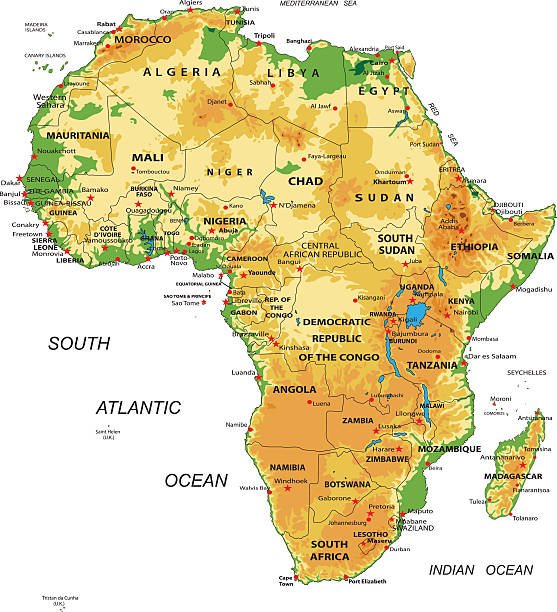
When people ask, How Africa actually looks like now, the answer often challenges outdated perceptions and reveals a continent brimming with dynamism, innovation, and profound diversity. Far from being a monolithic entity defined by singular narratives, modern Africa is a vast expanse of 54 distinct nations, each evolving at a rapid pace, showcasing remarkable economic growth, technological leaps, and a vibrant cultural tapestry.
Today, Africa is characterized by bustling megacities, burgeoning tech hubs, a youthful and entrepreneurial population, and a rich blend of traditional heritage and contemporary advancement. This article delves into the multi-faceted reality of the continent, offering an authoritative glimpse into the true landscape of Africa today.
Dispelling Myths: Beyond the Stereotypes of Africa Now
For too long, the image of Africa in global media has been shaped by a narrow set of stereotypes: vast savannas, poverty, conflict, or a singular focus on wildlife. While parts of these elements exist, they represent only a tiny fraction of the continent's complex reality. Modern African realities are far more nuanced and varied. From the cosmopolitan skylines of Johannesburg and Nairobi to the historic charm of Cairo and the innovative spirit of Kigali, Africa presents a mosaic of environments, economies, and societies.
- Geographic Diversity: Africa encompasses deserts, rainforests, snow-capped mountains, sprawling coastlines, and fertile river deltas.
- Economic Variety: Economies range from resource-rich nations to those driven by technology, agriculture, and service industries.
- Cultural Richness: Thousands of ethnic groups speak over 2,000 languages, contributing to an unparalleled cultural heritage.
The Reality of African Urbanization and Infrastructure
African urbanization is one of the fastest in the world. Cities like Lagos, with its population soaring past 20 million, are epicenters of commerce, culture, and innovation. These urban centers are witnessing significant infrastructure development, including modern airports, expanding road networks, and increasingly sophisticated public transport systems. While challenges remain in matching infrastructure growth with rapid population influx, the commitment to building smart, sustainable cities is evident across the continent.
Economic Dynamism and Innovation: The Pulse of Africa Today
The narrative of African economic growth is compelling. Many African economies have been among the fastest-growing globally over the past decade, driven by robust domestic demand, increasing foreign investment, and diversification away from traditional resource-based models.
Technological Advancement: Africa's Digital Revolution
Perhaps one of the most striking aspects of Africa now is its embrace of technology. The continent has leapfrogged traditional development stages, particularly in telecommunications. Mobile phone penetration is exceptionally high, powering a digital revolution that impacts everyday life and commerce.
- Mobile Money: Innovations like M-Pesa, originating in Kenya, have transformed financial services, allowing millions to access banking services without traditional bank accounts.
- Tech Hubs: Cities like Nairobi (dubbed Silicon Savannah), Lagos, Cape Town, and Accra are fostering vibrant startup ecosystems, attracting venture capital and nurturing local talent in AI, fintech, and e-commerce.
- Digital Entrepreneurship: A young, digitally native population is driving a surge in online businesses, creating jobs and solving local problems with technological solutions.
Diversification and Emerging Industries in Africa
Beyond traditional sectors like mining and agriculture, Africa is seeing significant growth in manufacturing, renewable energy, and the service industry. African manufacturing is becoming more sophisticated, with countries like Ethiopia and Rwanda attracting investment in textiles and light industries. The continent is also a powerhouse for renewable energy in Africa, with vast potential in solar, wind, and geothermal power, attracting major international investment and driving sustainable development.
| Key Economic Trends | Description |
|---|---|
| Rising GDP Growth | Many African nations consistently outperform global average growth rates. |
| Increased FDI | Foreign Direct Investment continues to flow into diverse sectors. |
| Consumer Market Expansion | A growing middle class fuels significant domestic consumption. |
| Digital Economy Boom | Rapid adoption of mobile technology drives new economic models. |
A Continent of Culture and Creativity: The Essence of Africa Today
The cultural landscape of Africa is dynamic and influential, extending its reach globally. African culture now is a vibrant blend of ancient traditions and contemporary expressions, constantly evolving and inspiring.
Arts, Music, and Fashion: Global Influence
From the infectious beats of Afrobeats and Amapiano captivating dancefloors worldwide to the compelling narratives of Nollywood films watched by millions, African art scene and creative industries are making a significant global impact. African fashion designers are celebrated on international runways, showcasing bold textiles, innovative designs, and a unique aesthetic that challenges and inspires.
- Nollywood: Nigeria's film industry is one of the largest in the world by volume, telling African stories to a global audience.
- Music: African artists are consistently topping global charts and collaborating with international stars.
- Visual Arts: Contemporary African artists are gaining significant recognition and command high prices in the international art market.
Rich Heritage and Tourism in Africa
Africa's historical and cultural heritage is immense. Ancient pyramids in Egypt, the rock-hewn churches of Ethiopia, the slave trade history on Goree Island, and the vibrant markets of Marrakech offer profound insights into human history. Tourism in Africa extends far beyond traditional safaris, inviting visitors to explore diverse landscapes, delve into rich histories, and experience unparalleled cultural immersion. From pristine beaches in Zanzibar to the dramatic landscapes of the Atlas Mountains, Africa offers a wealth of travel experiences.
Investing in Human Capital: Education and Healthcare in Africa
Progress in human development is a cornerstone of how Africa actually looks like now. Significant investments are being made in education and healthcare, crucial for sustainable growth and a better quality of life.
Advancing Education and Skill Development
Access to education is expanding, with increasing enrollment rates at primary, secondary, and tertiary levels. Universities across Africa are producing a new generation of skilled professionals, scientists, and innovators. There is a strong focus on STEM (Science, Technology, Engineering, and Mathematics) education and vocational training to meet the demands of emerging industries. Programs aimed at empowering youth through digital literacy and entrepreneurial skills are also widespread.
Innovations in African Healthcare
While challenges remain, healthcare systems are improving, with increased access to essential medicines and services. African nations are also pioneering innovative solutions in healthcare delivery, from drone delivery of medical supplies in Rwanda to mobile health clinics reaching remote communities. The focus on local solutions to health challenges, including battling diseases like malaria and HIV/AIDS, is yielding positive results and increasing life expectancy across the continent.
Sustainable Development and Environmental Stewardship in Africa
Sustainable Africa is not just an aspiration but a growing reality. African nations are at the forefront of tackling climate change and promoting environmental conservation, recognizing the continent's vulnerability but also its vast potential for green growth.
Renewable Energy Initiatives
Africa boasts abundant solar, wind, and geothermal resources, positioning it as a global leader in renewable energy development. Large-scale solar farms are sprouting up across the Sahel, wind farms are generating power along coastlines, and geothermal plants are harnessing the Earth's heat. These initiatives are not only reducing carbon footprints but also providing much-needed electricity to communities previously without access.
Conservation and Biodiversity
The continent is home to some of the world's most iconic wildlife and diverse ecosystems. African conservation efforts are robust, with extensive national parks, wildlife reserves, and community-led initiatives protecting endangered species and preserving critical habitats. These efforts underscore a deep commitment to environmental stewardship and sustainable resource management, which are vital components of Africa today.
Challenges and Opportunities: Navigating the Future of Africa
While the picture of modern Africa is overwhelmingly positive, it would be incomplete without acknowledging the challenges. Issues such as governance, inequality, climate change impacts, and infrastructure deficits persist. However, these challenges are often met with resilience and innovative solutions.
- Good Governance: Ongoing efforts to strengthen democratic institutions, combat corruption, and promote transparency.
- Addressing Inequality: Programs aimed at inclusive growth, empowering women, and providing opportunities for all segments of society.
- Climate Change Adaptation: Investment in climate-resilient agriculture, early warning systems, and sustainable land management practices.
- Infrastructure Gaps: Continued investment in roads, energy, water, and digital infrastructure to connect communities and boost economic activity.
The opportunities, however, are immense. Africa's youthful population represents a significant demographic dividend, poised to drive innovation and economic expansion for decades. Regional integration initiatives are fostering greater trade and cooperation, creating larger markets and shared prosperity. The continent's rich natural resources, managed sustainably, continue to offer substantial potential for economic development and global partnerships.
The Young and Entrepreneurial Spirit of Africa Now
A defining characteristic of how Africa actually looks like now is its youthful demographic. Over 60% of Africa's population is under the age of 25, making it the youngest continent in the world. This youth bulge is not just a demographic fact; it's a powerful engine of change. African youth entrepreneurship is booming, with young people launching startups in every sector, from agriculture tech to renewable energy solutions and digital services.
These young entrepreneurs are not waiting for solutions; they are creating them, driven by a deep understanding of local needs and a global outlook. Their innovative spirit, coupled with increasing access to technology and funding, is reshaping economies and challenging traditional business models.
Conclusion: A Continent Reshaping Its Narrative
In conclusion, how Africa actually looks like now is a story of immense complexity, profound diversity, and incredible potential. It's a continent that is actively dismantling outdated stereotypes and forging its own path on the global stage. From its burgeoning economies and cutting-edge technological advancements to its vibrant cultural expressions and unwavering commitment to sustainable development, Africa is a land of opportunity, innovation, and resilience. Understanding Africa today means embracing its multifaceted reality, recognizing its progress, acknowledging its challenges, and celebrating its unique contribution to the world. It is a continent on the rise, demanding and deserving a nuanced and informed perspective from the global community.
Enjoyed this read?
Share it with your friends and colleagues.