Did Africa Participate In Ww1

BSC Insights Admin
September 30, 2026
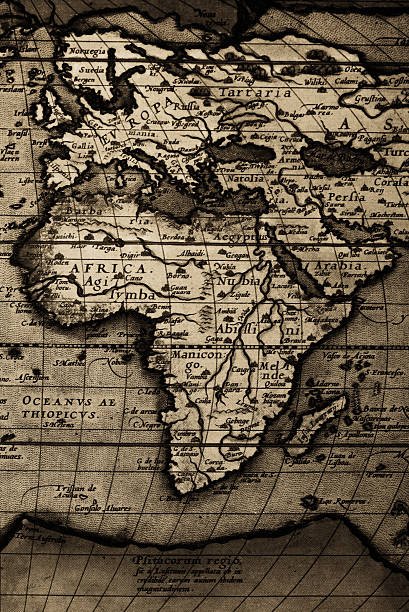
Yes, Africa played a profoundly significant and multifaceted role in World War I, far beyond merely being a peripheral battlefield. From providing crucial combatants and laborers to serving as a contested theater of war where European colonial powers clashed, Africa's involvement was integral to the global conflict. Millions of Africans participated directly or indirectly, shaping the war's outcome and, in turn, being irrevocably shaped by its devastating consequences.
The Scramble for Africa: A Pre-War Foundation for Conflict
To understand Africa's participation in WWI, one must first recognize the continent's political landscape at the turn of the 20th century. By 1914, most of Africa had been carved up and colonized by European powers during the infamous "Scramble for Africa." This colonial framework meant that when war erupted in Europe, it inevitably spread to African soil, transforming the continent into another strategic chessboard for rival empires.
Colonial Holdings at the Outbreak of War
The major players with significant colonial territories in Africa were:
- Great Britain: Held vast swathes from Egypt to South Africa, including Nigeria, Gold Coast, Kenya, and parts of East Africa.
- France: Controlled large areas of West and North Africa, notably French West Africa, French Equatorial Africa, and Algeria.
- Germany: Possessed four key colonies: German East Africa (modern-day Tanzania, Rwanda, Burundi), German South-West Africa (Namibia), Kamerun (Cameroon), and Togoland.
- Belgium: Ruled the Belgian Congo (Democratic Republic of Congo).
- Portugal: Maintained Angola and Mozambique.
- Italy: Controlled Libya, Eritrea, and Somaliland.
These colonial possessions provided not only strategic locations and resources but also readily exploitable populations to serve the war efforts of their European masters.
African Fronts: The War Spreads to the Continent
While the Western Front in Europe dominated headlines, World War I also saw fierce and often brutal fighting across various African territories. These campaigns were not mere sideshows; they diverted considerable resources and manpower from both Allied and Central Powers, impacting the global struggle.
The East African Campaign: A Prolonged and Brutal Struggle
The East African Campaign was arguably the most significant and longest-lasting WWI conflict on African soil. It pitted German colonial forces, primarily comprised of African Askari soldiers led by General Paul von Lettow-Vorbeck, against much larger Allied forces from Britain, Belgium, Portugal, and South Africa. This was a true guerrilla war fought across vast, unforgiving terrains of German East Africa, often involving:
- Lettow-Vorbeck's Genius: He successfully tied up hundreds of thousands of Allied troops for the entire duration of the war and even beyond, surrendering only two weeks after the armistice in Europe.
- Askari Soldiers: The backbone of the German forces, these highly disciplined and loyal African troops fought with remarkable skill and resilience.
- Logistical Nightmares: Both sides faced immense challenges with supply lines, disease (malaria, dysentery, sleeping sickness), and the harsh climate.
- Massive Use of Porters: Estimates suggest that over a million African porters were conscripted or coerced by all sides to carry supplies, often under horrific conditions, suffering extremely high mortality rates.
The East African Campaign exemplified the brutal human cost and logistical complexities of World War I in Africa, drawing significant global attention and resources.
The West African Campaigns: Swift Allied Victories
In contrast to East Africa, the campaigns in West Africa were relatively swift. The primary targets were Germany's colonies of Togoland and Kamerun (Cameroon).
- Togoland (August 1914): British and French forces quickly overwhelmed the small German contingent, seizing control of the colony and its vital wireless station, which was crucial for German naval communications.
- Kamerun (1914-1916): A more protracted but ultimately successful campaign by British, French, and Belgian forces. German resistance, again relying on Askari, was eventually broken, with the last German forces escaping into neutral Spanish Guinea.
These early victories provided the Allies with strategic advantages and eliminated German presence in West Africa relatively quickly.
The South-West African Campaign: A Southern Offensive
German South-West Africa (modern-day Namibia) was targeted by forces from the Union of South Africa. Despite an initial internal rebellion by some Afrikaners sympathetic to Germany, the South African forces, led by Prime Minister Louis Botha and General Jan Smuts, swiftly defeated the German colonial army in 1915. This campaign highlighted the willingness of self-governing British dominions to contribute militarily to the Allied cause.
African Soldiers: A Vital and Underestimated Contribution
Perhaps the most significant and often overlooked aspect of Africa's involvement in WWI was the direct military participation of Africans. Millions served, not just on African battlefields, but also on the Western Front in Europe, in the Middle East, and elsewhere.
Colonial Troops and Their Recruitment
European powers extensively recruited Africans into their colonial armies, often through a mix of voluntary enlistment, economic incentives, and outright forced conscription:
- British Empire: Utilized the King's African Rifles (KAR) in East Africa, and recruited significant numbers for labor battalions.
- French Empire: The renowned Tirailleurs Sénégalais (Senegalese Sharpshooters) were recruited from across French West Africa and Equatorial Africa. Hundreds of thousands fought with distinction in France.
- Belgian Congo: The Force Publique fought effectively in East Africa.
- German Empire: Relied heavily on their Askari troops, renowned for their discipline and combat effectiveness.
These soldiers were crucial for both combat roles and, perhaps even more so, for logistical support as porters.
Numbers and Roles: Beyond Combat
While exact figures are difficult to ascertain due to poor record-keeping and deliberate underreporting, estimates suggest:
- Over 2 million African porters served in the East African Campaign alone, carrying supplies, ammunition, and wounded. Their casualty rates from disease, exhaustion, and starvation were exceptionally high, often exceeding those of combatants.
- Approximately 300,000-500,000 African combat troops served in various capacities across different fronts.
- Thousands of Tirailleurs Sénégalais fought and died on the Western Front, particularly during battles like the Somme and Verdun.
Their roles were diverse, ranging from frontline infantry to scouts, stretcher-bearers, construction workers, and vital logistical support personnel. The war could not have been fought in Africa, or sustained in Europe with the resources from Africa, without their immense labor and sacrifice.
Conditions and Sacrifices
African soldiers and porters faced appalling conditions:
- Disease: Malaria, dysentery, influenza, and other tropical diseases decimated ranks.
- Discrimination: They often received lower pay, inferior equipment, and less medical attention than their European counterparts.
- Lack of Recognition: Their immense contributions were largely ignored in official histories and post-war commemorations, a trend that continues to be rectified today.
Africa's Resources: Fueling the Global War Effort
Beyond manpower, Africa's vast natural resources were indispensable to the warring European powers, further cementing Africa's crucial role in WWI.
Raw Materials Extraction
The continent was a vital source of raw materials for European industries, which were now entirely geared towards war production:
- Rubber: Essential for tires, gas masks, and other military equipment, largely sourced from the Belgian Congo and other regions.
- Minerals: Copper, tin, diamonds, and other valuable minerals were extracted to fuel munitions factories.
- Foodstuffs: Grain, meat, and other agricultural products were requisitioned to feed soldiers and civilian populations in Europe.
- Cotton and Palm Oil: Used for uniforms, lubricants, and other industrial applications.
The demand for these resources often led to increased exploitation of African labor and land, with colonial administrations imposing higher taxes and forced cultivation schemes.
The War's Profound Impact on Africa
The First World War left an indelible mark on the African continent, leading to significant political, social, and economic transformations that would resonate for decades.
Political Redrawing of the Map
One of the most immediate political consequences was the redrawing of Africa's colonial map. Germany's colonies were stripped away and redistributed among the victorious Allied powers under the League of Nations Mandate system:
| Former German Colony | New Mandate Power(s) |
|---|---|
| German East Africa | Britain (Tanganyika), Belgium (Rwanda-Urundi) |
| German South-West Africa | South Africa |
| Kamerun | Britain and France (divided) |
| Togoland | Britain and France (divided) |
This transfer of power often brought little improvement for the colonized populations, merely replacing one colonial master with another.
Social and Economic Disruptions
The war wreaked havoc on African societies:
- Famine and Disease: The conscription of vast numbers of able-bodied men (both soldiers and porters) disrupted agricultural production, leading to severe food shortages and famine. The movement of troops also spread diseases like the Spanish Flu, devastating local populations.
- Forced Labor: The demand for resources and logistical support led to a massive increase in forced labor, causing immense suffering and resentment.
- Increased Taxation: Colonial administrations imposed higher taxes to fund their war efforts, further impoverishing African communities.
- Demographic Shifts: Entire villages were depopulated, and social structures were severely strained.
Rise of Nationalist Sentiments
Despite the hardship, Africa's participation in WWI also inadvertently sowed the seeds of future independence movements. Exposure to European weaknesses, the sight of European officers and soldiers dying, and the rhetoric of self-determination espoused by figures like Woodrow Wilson, began to challenge the perceived invincibility of colonial rule. African soldiers returning from battlefields in Europe and Africa brought back new perspectives and a growing awareness of their collective strength and shared grievances, fueling nascent nationalist aspirations.
The Often Overlooked Narrative: Rectifying History
For many decades, the narrative of World War I has largely been Eurocentric, minimizing or entirely omitting Africa's crucial role in WWI. This historical oversight has led to a significant gap in global understanding of the conflict.
Lack of Recognition and Historical Memory
The reasons for this neglect are complex, stemming from colonial biases, the deliberate downplaying of African contributions to maintain European superiority, and the focus on the Western Front's industrial scale of warfare. African sacrifices were often considered secondary, and their experiences rarely documented from their own perspectives.
Efforts to Rectify the Historical Record
In recent years, historians, researchers, and memory institutions have made concerted efforts to bring Africa's WWI story to the forefront. New scholarship is highlighting the complex motivations of African participants, the brutality of the campaigns, and the long-term impact on the continent. Memorials and educational initiatives are slowly beginning to acknowledge the immense human cost and the indispensable contributions of African soldiers and civilians.
Conclusion
In conclusion, the question, "Did Africa participate in WWI?" is emphatically answered with a resounding yes. Africa was not merely a backdrop for the European powers' struggles but a vital theater of war, a source of indispensable resources, and, most importantly, home to millions of individuals whose lives were fundamentally altered by the conflict. African soldiers and porters fought and died in vast numbers, their sacrifices often unrecorded and unacknowledged for too long. Understanding African involvement in World War I is essential for a complete and accurate global history of the 20th century, revealing the intricate web of connections that tied colonial empires to the fate of a world at war and underscoring the enduring legacy of colonialism on the continent.
Enjoyed this read?
Share it with your friends and colleagues.