How Africa Is Portrayed In Western Media

BSC Insights Admin
October 01, 2026
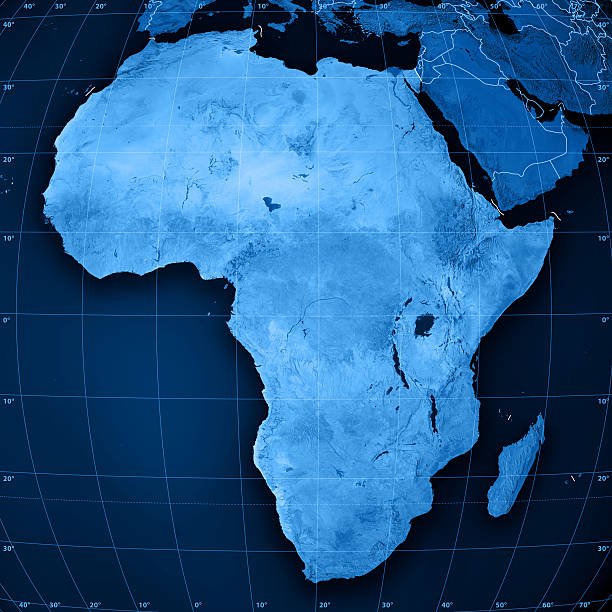
Western media frequently portrays Africa through a narrow and often outdated lens, focusing predominantly on themes of poverty, conflict, disease, and exoticism, thereby largely overlooking its immense diversity, vibrant cultures, significant economic growth, and widespread innovation. This skewed representation often shapes global perceptions, reinforcing stereotypes rather than reflecting the continent's complex and dynamic realities. Understanding how Africa is portrayed in Western media is crucial for recognizing the impact of these narratives and advocating for more accurate, nuanced, and respectful storytelling. The continuous propagation of these limited narratives not only misinforms international audiences but also impacts socio-economic policies, foreign investment, and the continent's own sense of identity and agency. This article will delve into the common tropes, their historical roots, their profound implications, and the crucial efforts being made to challenge and change this pervasive misrepresentation.
Historical Context of African Portrayal
The way Africa is depicted in Western media is deeply rooted in a long history of colonial narratives and exploration accounts. For centuries, the continent was often labeled the “Dark Continent,” a term that immediately stripped away its rich history and diverse civilizations, replacing them with an image of mystery, savagery, and a place needing Western intervention. Early European explorers, missionaries, and colonial administrators often penned accounts that emphasized the exotic, the primitive, and the chaotic, laying the groundwork for many of the stereotypes that persist today. These narratives served a specific purpose: to justify colonial exploitation, religious conversion, and the imposition of Western systems, framing Africa as a place incapable of self-governance and perpetual dependence. The imagery from this era—think of sensationalized depictions of wild animals, tribal rituals, and vast, untamed wilderness—created a foundation of misunderstanding. This historical backdrop is essential for understanding how Africa is portrayed in Western media even in contemporary times, as many of the underlying assumptions have subtly, or sometimes overtly, been carried forward. These ingrained perspectives make it challenging to introduce narratives that celebrate African progress and resilience, as they constantly battle against centuries of entrenched preconceptions.
Dominant Stereotypes and Tropes in Western Media
The contemporary portrayal of Africa in Western media often defaults to several pervasive stereotypes and tropes. These narratives, while sometimes reflecting isolated realities, fail to capture the holistic picture of a continent home to 54 diverse nations, over 1.3 billion people, and thousands of distinct ethnic groups and languages. Understanding these recurring themes is vital to comprehending how Africa is portrayed in Western media and its limitations.
Poverty and Despair
One of the most persistent images is that of a continent perpetually suffering from extreme poverty, famine, and humanitarian crises. News reports frequently feature images of malnourished children, refugee camps, and communities ravaged by drought. While poverty remains a significant challenge in many parts of Africa, focusing solely on this aspect creates a monolithic image of destitution. It often overlooks the burgeoning middle class, the thriving informal economies, and significant advancements in poverty reduction seen in numerous countries. This narrative often implies a continent in constant need of external aid, rather than acknowledging local solutions and economic growth drivers. It’s a narrative that can foster a sense of helplessness among viewers, rather than inspiring engagement with the continent’s complexities.
Conflict and Instability
Western media coverage frequently sensationalizes conflicts, civil wars, and political instability across Africa. Headlines often highlight coups, insurgencies, and ethnic clashes, painting a picture of a continent perpetually embroiled in violence. While instances of conflict do occur, as they do in many regions globally, the portrayal rarely includes the numerous peaceful transitions of power, diplomatic efforts, and widespread stability enjoyed by the vast majority of African nations. This emphasis on conflict often overshadows the remarkable efforts towards peacebuilding, regional cooperation, and democratic consolidation. The narrative of a chaotic Africa can deter investment and tourism, further isolating nations that are striving for stability and progress.
Disease and Suffering
Another prevalent trope highlights Africa as a breeding ground for exotic and devastating diseases. From HIV/AIDS epidemics to Ebola outbreaks and the ongoing challenges of malaria, Western media often sensationalizes health crises without adequately presenting the context of robust public health initiatives, groundbreaking medical research originating from Africa, or the improvements in healthcare infrastructure. This focus can stigmatize entire populations and overshadow the significant progress made in disease prevention, treatment, and global health partnerships. It often frames Africa as a recipient of medical aid rather than an active contributor to global health solutions.
Exoticism and Wildlife
Beyond the negative portrayals, Africa is also often depicted through a lens of exoticism, focusing heavily on its vast wildlife, pristine landscapes, and 'traditional' tribal cultures. While Africa is indeed home to breathtaking natural beauty and rich cultural heritage, this portrayal frequently reduces the continent to a safari destination or a museum of ancient customs. It often ignores the modern, urban realities of its cities, the vibrant contemporary art scenes, and the innovative technological advancements. This 'National Geographic' view can flatten the identities of African people, placing more emphasis on animals and untouched nature than on the dynamic lives and aspirations of its inhabitants.
Homogeneity: Africa as a Single Country
Perhaps one of the most fundamental misrepresentations is the tendency to treat Africa as a single, homogenous entity. Journalists and media outlets frequently refer to "Africa" as if it were a country, blurring the distinct identities, cultures, languages, economies, and political systems of its 54 sovereign nations. A crisis in one region might be reported as an "African crisis," disregarding the vast geographical and cultural distances between countries like Egypt and South Africa, or Nigeria and Ethiopia. This generalization strips individual nations of their unique narratives and complexity, perpetuating a lack of understanding about the continent's incredible diversity. This lack of specificity is a critical barrier to accurate reporting and truly understanding how Africa is portrayed in Western media.
The Impact of Misrepresentation
The persistent misrepresentation of Africa in Western media has far-reaching and detrimental consequences that extend beyond mere perception. These narratives actively shape global understanding, influence policy decisions, affect economic opportunities, and even impact the continent’s self-perception.
Shaping Global Perceptions and Reinforcing Biases
When audiences are consistently exposed to a limited and often negative portrayal, it inevitably molds their understanding of Africa. This can lead to a reinforcement of existing biases and stereotypes, making it harder for individuals to critically engage with new information that challenges these preconceptions. For many in the West, media is the primary source of information about Africa, and if that information is skewed, their worldview becomes skewed too. This fosters a superficial understanding, preventing deeper appreciation of the continent's contributions to global society, arts, science, and politics.
Deterring Investment and Limiting Tourism
The emphasis on conflict, disease, and instability often deters potential foreign investors. Businesses may perceive Africa as a high-risk continent, overlooking the significant economic growth, burgeoning markets, and vast opportunities present in many African nations. Similarly, the focus on 'safari' or 'humanitarian' tourism neglects the diverse range of experiences available, from vibrant city breaks to historical tours and cultural festivals. This limited view can hinder economic development, restrict job creation, and prevent local communities from benefiting from global engagement. The narrative of a desperate continent undermines the reality of Africa's growing economic power and innovative spirit, impacting how Africa is portrayed in Western media and its economic ties.
Influencing Foreign Policy and Aid Strategies
Media portrayals can significantly influence foreign policy decisions and the allocation of international aid. If Africa is primarily seen as a continent of dependency and crisis, aid strategies might focus solely on emergency relief rather than sustainable development initiatives, capacity building, or equitable partnerships. This can perpetuate a donor-recipient dynamic, undermining local ownership and long-term solutions. Policies based on incomplete information are less likely to be effective or to genuinely empower African nations to define their own development paths.
Impact on Self-Perception and Agency
Perhaps one of the most subtle yet profound impacts is on the self-perception of Africans themselves, particularly the youth. Constant exposure to negative external narratives about one's continent can erode confidence, perpetuate feelings of inferiority, or even inspire a desire to leave the continent. It can overshadow local achievements and create a sense of disconnect from the continent's progress and potential. Conversely, a more balanced and positive portrayal can foster pride, inspire local innovation, and strengthen the continent's voice on the global stage, allowing Africans to reclaim and tell their own stories, an essential shift in how Africa is portrayed in Western media.
The Reality: A Diverse and Dynamic Continent
To move beyond the reductive portrayals, it is crucial to understand the multifaceted reality of Africa. The continent is a tapestry of vibrant cultures, rapid economic growth, significant technological advancements, and a youthful, dynamic population driving change. These are the narratives often missing when considering how Africa is portrayed in Western media.
Economic Growth and Innovation
Africa boasts some of the world's fastest-growing economies. Countries like Rwanda, Ethiopia, Ghana, and Côte d'Ivoire have demonstrated impressive GDP growth rates over the past decade. The continent is a hub of innovation, particularly in mobile technology and digital services. Mobile banking, e-health platforms, and renewable energy solutions are being pioneered and scaled up across various nations, often leapfrogging traditional development stages. Startup ecosystems are thriving in cities like Lagos, Nairobi, Cape Town, and Accra, attracting significant investment and fostering local talent. The African Continental Free Trade Area (AfCFTA) is a landmark initiative poised to create the world's largest free trade area, further boosting intra-African trade and economic integration.
Cultural Richness and Diversity
With thousands of distinct ethnic groups and languages, Africa is a treasure trove of cultural heritage. Its vibrant music, art, fashion, literature, and culinary traditions are celebrated globally. From the intricate textiles of West Africa to the powerful storytelling of East African literature and the infectious rhythms of South African music, the continent's cultural output is immense and constantly evolving. Major cities are bustling centers of contemporary art and design, challenging the 'primitive' or 'traditional' labels often applied. Understanding this profound cultural diversity is key to appreciating the continent beyond superficial stereotypes.
Political Progress and Regional Cooperation
While challenges remain, many African nations have made significant strides in democratic governance, human rights, and political stability. Regular elections, strengthened institutions, and active civil societies are becoming increasingly common. Regional organizations like the African Union (AU) and ECOWAS (Economic Community of West African States) play crucial roles in fostering peace, security, and economic integration, often mediating conflicts and promoting shared development agendas. These efforts demonstrate a commitment to self-determination and regional solutions, a far cry from the narrative of perpetual chaos.
Resilience and Entrepreneurial Spirit
Africans are renowned for their resilience, ingenuity, and entrepreneurial spirit. Faced with various challenges, individuals and communities consistently develop innovative, homegrown solutions. From local initiatives addressing climate change and food security to community-led education projects, the capacity for self-reliance and progress is evident everywhere. This proactive approach to problem-solving, often with limited resources, showcases a dynamic and forward-thinking population, eager to shape its own future.
Challenges to Accurate Representation
Despite the growing recognition of Africa’s dynamism, several challenges impede a more accurate and balanced portrayal in Western media. These issues often stem from journalistic practices, resource constraints, and entrenched biases.
News Values and the "If It Bleeds, It Leads" Mentality
Journalism, particularly traditional news, often prioritizes sensationalism, conflict, and disaster – the "if it bleeds, it leads" principle. This can lead to an overemphasis on negative events in Africa, as these stories are perceived to capture audience attention more effectively than nuanced reports on development, peace, or innovation. Positive stories, while abundant, are often deemed less newsworthy by Western editorial standards, contributing to the skewed perspective of how Africa is portrayed in Western media.
Lack of Resources and Foreign Bureaus
Many Western news organizations have significantly scaled back their foreign bureaus in Africa due to budget cuts. This means fewer journalists are on the ground, leading to a reliance on wire services, brief visits, or reports from afar. Without dedicated correspondents who can build long-term relationships, learn local languages, and understand cultural nuances, reporting often remains superficial, reactive, and prone to generalization. This absence of sustained, in-depth coverage perpetuates a cycle of misrepresentation.
Cultural Lens and Unconscious Bias
Even well-intentioned journalists can inadvertently apply a Western cultural lens to their reporting, leading to misinterpretations or a failure to fully grasp local contexts. Unconscious biases, often formed from existing media portrayals and societal stereotypes, can influence story selection, framing, and emphasis. This can result in reporting that projects Western values or anxieties onto African situations, rather than genuinely reflecting local perspectives and realities. Overcoming this requires extensive cultural training and a commitment to diverse editorial teams.
Power Dynamics: Who Tells the Story?
Fundamentally, the challenge boils down to power dynamics. For too long, the narrative of Africa has been controlled by external voices. When Western media outlets largely dictate how Africa is portrayed in Western media, it limits the agency of Africans to tell their own stories, in their own voices, and from their own perspectives. This imbalance perpetuates a one-way flow of information, reinforcing historical power imbalances and making it difficult to shift global perceptions effectively.
Changing the Narrative: Pathways Forward
Shifting the narrative around Africa requires a concerted effort from media organizations, content creators, educators, and consumers. The goal is to move towards a portrayal that is balanced, accurate, and reflective of the continent's true diversity and dynamism. Here are key pathways for changing how Africa is portrayed in Western media:
- Empowering Local Voices and African Journalists: One of the most crucial steps is to invest in and empower African journalists, filmmakers, photographers, and content creators. Supporting local media houses, providing training, and ensuring fair compensation can foster a vibrant ecosystem where Africans tell their own stories to both local and international audiences. When stories originate from within the continent, they are inherently more authentic, nuanced, and reflective of local realities and priorities. Platforms that amplify these voices are essential for a paradigm shift.
- Promoting Diverse and Nuanced Storytelling: Media outlets need to consciously seek out and publish a wider range of stories from Africa. This means moving beyond the familiar narratives of crisis and exoticism to cover innovation, economic development, cultural vibrancy, political progress, environmental initiatives, and human-interest stories that highlight everyday life and aspirations. Reporting should focus on specific countries and regions, avoiding generalizations and highlighting the unique contexts and experiences within each nation.
- Fostering Critical Media Consumption: Educating audiences to be critical consumers of media is vital. Readers and viewers should be encouraged to question the sources, identify potential biases, and seek out diverse perspectives when encountering news about Africa. Media literacy campaigns can help individuals understand the historical context of African representation and empower them to demand more accurate and comprehensive reporting.
- Supporting Afrocentric Media Platforms: The rise of African-owned and run media platforms, both traditional and digital, offers a powerful counter-narrative. Supporting these platforms, which prioritize African perspectives and tell stories from an Afrocentric viewpoint, is key. They serve as essential spaces for Africans to define and share their identities, cultures, and achievements, free from external editorial control. This includes news sites, cultural magazines, film industries, and digital content creators.
- Building Collaborative Partnerships: Encouraging genuine collaborations between Western and African media organizations can facilitate knowledge exchange, improve reporting standards, and foster a more equitable approach to storytelling. These partnerships should prioritize mutual respect, shared editorial control, and the upliftment of local expertise, moving away from a hierarchical model where Western media dictates the narrative.
Conclusion
In conclusion, the portrayal of Africa in Western media has historically been, and largely continues to be, narrow and stereotypical, often focusing on poverty, conflict, disease, and exoticism. This limited perspective fails to capture the immense diversity, economic dynamism, cultural richness, and innovative spirit of the continent and its 54 nations. The consequences of this misrepresentation are profound, affecting global perceptions, deterring investment, influencing policy, and impacting the self-perception of Africans. Changing how Africa is portrayed in Western media is not merely about presenting a more 'positive' image, but about achieving accuracy, nuance, and genuine representation. By empowering African voices, promoting diverse storytelling, fostering critical media literacy, and building equitable partnerships, it is possible to cultivate a global media landscape that truly reflects the multifaceted realities, challenges, and aspirations of Africa, allowing the continent to tell its own compelling story on its own terms.
Enjoyed this read?
Share it with your friends and colleagues.