How Africa Qualify For World Cup

BSC Insights Admin
September 30, 2026
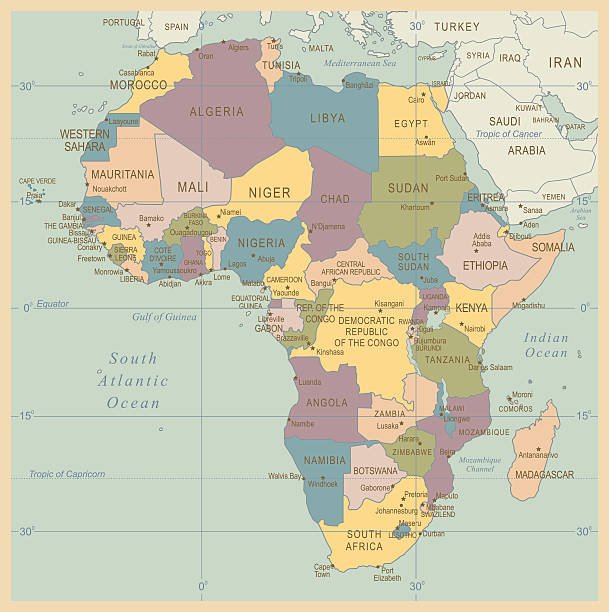
The Road to the FIFA World Cup: Africa's Journey
The journey for African nations to qualify for the FIFA World Cup is one of the most arduous and fiercely contested qualification processes in global football. Organized by the Confederation of African Football (CAF), this extensive tournament pits 54 national teams against each other, all vying for a limited number of spots at the sport's pinnacle event. Understanding how Africa qualify for World Cup requires a deep dive into CAF's intricate qualification format, which has evolved over the years to ensure fairness, competitiveness, and to showcase the continent's burgeoning football talent.
Africa's participation in the FIFA World Cup has grown significantly since its debut in 1934 with Egypt. Initially granted only one spot, the continent's representation has steadily increased, reflecting the growing strength and global recognition of African football. For the 2022 FIFA World Cup, CAF was allocated five qualification slots, a testament to the continent's progress and competitive nature. Looking ahead, the expansion of the FIFA World Cup to 48 teams from 2026 promises an even greater opportunity, with Africa's allocation set to increase substantially, potentially to nine direct slots and one inter-confederation play-off berth.
This qualification campaign is more than just a series of matches; it is a captivating narrative of national pride, tactical battles, and the dreams of millions. Every pass, every tackle, and every goal carries immense weight, as teams navigate diverse conditions, travel vast distances, and contend with the unique challenges of African football. The ultimate goal remains constant: to represent the continent on the world stage and etch their names into football history.
Understanding the CAF World Cup Qualification Format
The structure of the CAF World Cup qualification format is designed to progressively narrow down the field of 54 competing nations, ensuring that only the strongest and most consistent teams earn their place. While the exact format can vary slightly from one World Cup cycle to the next, especially with the upcoming expansion, it generally follows a multi-stage approach involving preliminary rounds, a robust group stage, and decisive play-off encounters.
The fundamental principle behind the African World Cup qualification is to provide all FIFA-affiliated national associations in Africa with an opportunity to compete, regardless of their current ranking. This inclusivity is balanced with the need to maintain competitive integrity, ensuring that as the tournament progresses, the level of competition intensifies. The format is carefully planned to accommodate the vast geographical spread of the continent and the varying strengths of its national teams.
The Most Recent Qualification Structure (e.g., for 2022 World Cup)
For the 2022 FIFA World Cup, the CAF qualification followed a three-round structure:
- First Round (Preliminary Knockout Stage): This round typically involves the lowest-ranked African teams based on the FIFA World Rankings. A total of 28 teams (ranked 28th to 54th) were drawn into 14 home-and-away two-legged ties. The 14 winners advanced to the second round. This stage serves to filter out some of the less competitive teams and ensure that the group stage is more balanced and intense.
- Second Round (Group Stage): The 14 winners from the first round joined the 26 highest-ranked African teams (ranked 1st to 27th), forming a total of 40 teams. These 40 teams were then divided into 10 groups of four teams each. Each group played a round-robin format, with teams facing each other home and away. The stakes were incredibly high in this round, as only the top team from each of the 10 groups progressed to the final stage. Consistency, tactical discipline, and the ability to secure crucial away points were paramount here.
- Third Round (Play-off Round): This was the ultimate test for the remaining 10 teams. The 10 group winners were drawn into five home-and-away two-legged play-off ties. The winners of these five decisive matches secured Africa's five berths at the FIFA World Cup. These encounters are often legendary, filled with drama, passion, and moments that define generations of players and fans. The intensity of these winner-take-all games is unmatched, making them must-watch events for football enthusiasts worldwide.
The upcoming 2026 World Cup qualification Africa format is expected to be significantly altered due to the expansion of the global tournament. With potentially nine direct spots and one inter-confederation play-off slot, CAF is likely to implement a new structure. Early indications suggest a format that might involve more groups, potentially nine groups of six teams, with the group winners automatically qualifying, and further play-offs to determine additional berths. This expansion represents a monumental opportunity for more African nations to showcase their talent on the grandest stage.
Key Factors for African Teams to Qualify
Securing a spot at the FIFA World Cup is a multifaceted challenge for African nations, demanding excellence across various aspects of football development and performance. Several key factors consistently play a pivotal role in determining which African national teams qualify for World Cup.
Consistent Performance and Team Strength
At the core of any successful qualification campaign is a strong, cohesive team capable of delivering consistent performances. This involves having a squad depth that can withstand injuries and suspensions, as well as a core group of talented players, many of whom ply their trade in top European leagues. The ability to perform under pressure, especially in crucial matches, differentiates contenders from hopefuls. Teams with a strong defensive foundation and potent attacking options tend to fare better.
Home Advantage and Stadium Atmosphere
Home advantage is a critical element in African football. The passionate support of local fans can create an intimidating atmosphere for visiting teams, often becoming the '12th man' for the home side. Playing in familiar conditions, often in front of packed stadiums, provides a significant psychological and physical boost. Many African teams World Cup qualification campaigns have been built on their formidable home records.
Strategic Coaching and Management
The tactical acumen and leadership of the coaching staff are indispensable. A good coach can implement a clear playing philosophy, adapt strategies to different opponents, and manage squad dynamics effectively. Long-term planning, including talent identification and youth development, also falls under effective management. The ability to motivate players and navigate the mental pressures of qualification is crucial.
Financial Investment and Infrastructure
Adequate financial investment is essential for modern football success. This includes funding for state-of-the-art training facilities, competitive match bonuses for players, travel logistics, and robust youth academies. Nations that invest in their football infrastructure and provide professional environments for their players are better positioned for sustained success in the Road to World Cup Africa.
Navigating African Football Challenges
African qualification campaigns are notorious for their unique challenges. Teams often face extensive travel across vast distances, sometimes in less than ideal conditions. The diverse climates, from humid coastal cities to arid inland regions, can also present significant environmental challenges. Furthermore, varying pitch qualities and sometimes controversial refereeing decisions add layers of complexity that successful teams must learn to navigate with resilience and professionalism.
Historical Overview of African World Cup Participation
Africa's journey in the FIFA World Cup began with Egypt's participation in 1934. For many decades, the continent struggled to gain more than one slot, leading to calls for greater representation, especially after strong performances by teams like Morocco in 1970 and Tunisia in 1978. The breakthrough came with the increasing number of slots, allowing more African national teams World Cup appearances.
Key milestones in Africa's World Cup history include:
- First participation: Egypt (1934).
- First Sub-Saharan African team: Zaire (now DR Congo) in 1974.
- Quarter-finalists: Cameroon (1990), Senegal (2002), Ghana (2010). These teams captivated the world with their exciting play and showcased Africa's potential to compete at the highest level.
- Consistent qualifiers: Nations like Nigeria, Cameroon, Ghana, Algeria, Tunisia, and Morocco have become regular fixtures, demonstrating sustained strength in the CAF qualifying process.
The overall trend shows a continuous improvement in the performance and competitiveness of African teams, contributing exciting football, vibrant celebrations, and memorable moments to the tournament's rich history. Their presence enriches the World Cup, bringing unique styles and passionate fan bases.
The Impact of World Cup Expansion on Africa
The decision by FIFA to expand the World Cup to 48 teams starting from the 2026 edition marks a historic moment for African football. This expansion will significantly increase the number of berths available to CAF, moving from five to a potential nine or even ten slots (including an inter-confederation play-off). This change is poised to have a transformative impact on how Africa qualify for World Cup and on the continent's football development.
The increased allocation offers several benefits:
- Greater Opportunity: More nations will have a realistic chance to qualify, boosting motivation and investment in football development across a wider range of countries. Nations that have historically been on the cusp of qualification, or those with emerging talent, will find the path slightly less daunting.
- Enhanced Investment: The prospect of World Cup qualification often attracts greater government and private sector investment into national football federations, infrastructure, and youth development programs. This can lead to a virtuous cycle of improvement.
- Increased Exposure and Revenue: Participating in the World Cup brings immense global exposure for players and national leagues, potentially leading to more scouting opportunities and commercial deals. It also generates significant revenue for participating federations, which can be reinvested into grassroots football.
- Development of Football: With more opportunities, there will be greater incentive for nations to professionalize their leagues, improve coaching standards, and nurture local talent from a younger age. This could lead to a broader base of competitive teams across the continent.
While the expanded format presents unparalleled opportunities, it also places a greater responsibility on CAF and its member associations to continue developing robust and transparent qualification processes. The goal remains to ensure that the teams representing Africa are truly the continent's best, capable of competing effectively on the world stage.
Challenges and Opportunities for African Nations
Despite the progress and the promising future with World Cup expansion, African nations face a unique set of challenges and opportunities on their quest for global football prominence.
Challenges:
- Funding and Infrastructure: Many African federations struggle with limited financial resources, impacting training facilities, youth development programs, and logistical support for national teams.
- Administrative Inefficiencies: Issues related to governance, transparency, and internal conflicts within some national football associations can hinder progress and stability.
- Talent Drain: The allure of better financial opportunities and professional environments in European leagues often leads to a significant exodus of young African talent, sometimes before they have fully developed in their home countries.
- Intense Competition: Even with more slots, the sheer number of strong footballing nations within Africa means that qualification remains highly competitive. There are no easy games in the CAF World Cup qualification.
Opportunities:
- Youth Development: With a young and growing population, Africa has an enormous pool of raw talent. Strategic investment in youth academies and grassroots football can unlock this potential.
- Technological Advancement: Utilizing modern sports science, data analytics, and coaching techniques can help bridge the gap with more established footballing continents.
- Pan-African Collaboration: Increased cooperation between federations, sharing of best practices, and regional development initiatives can strengthen the continent's overall football ecosystem.
- Leveraging Global Exposure: World Cup appearances offer a platform to showcase African football's unique style, attract investment, and inspire a new generation of players and fans.
Tips for Aspiring African Footballers and Nations
For African footballers dreaming of the World Cup and nations aiming for consistent qualification, several actionable tips can guide their journey.
- Focus on Youth Development: Establish well-structured youth academies that emphasize technical skills, tactical understanding, and holistic player development. Identify talent early and provide them with the best possible coaching and facilities.
- Professionalize Domestic Leagues: Strong, competitive domestic leagues are the backbone of any successful national team. Improve league structures, increase financial stability for clubs, and ensure high standards of officiating and infrastructure.
- Invest in Coaching Education: High-quality coaches are crucial at all levels. Provide continuous education and training programs for coaches, incorporating modern football philosophies and techniques.
- Strategic Planning and Federation Stability: National federations must implement long-term strategic plans, ensuring administrative stability, transparency, and a clear vision for football development from grassroots to the senior national team.
- Embrace Sports Science: Incorporate modern sports science principles, including nutrition, physical conditioning, and injury prevention, to enhance player performance and longevity.
These steps, coupled with the inherent passion and talent found across Africa, will be instrumental in ensuring that the continent continues to produce world-class teams and players who can not only qualify for the World Cup but also compete for the ultimate prize.
In conclusion, the journey for how Africa qualify for World Cup is a testament to resilience, passion, and continuous development. From the rigorous preliminary rounds to the exhilarating final play-offs, African nations navigate a challenging path to secure their coveted berths. With the upcoming expansion of the FIFA World Cup, the continent stands on the brink of an unprecedented era of opportunity, promising greater representation, increased investment, and a further global spotlight on the unique and vibrant football culture of Africa. The dream of lifting the World Cup trophy remains a powerful driving force, fueling the ambitions of millions and shaping the future of African football.
Enjoyed this read?
Share it with your friends and colleagues.