Does Africa Have A Rainforest

BSC Insights Admin
October 01, 2026
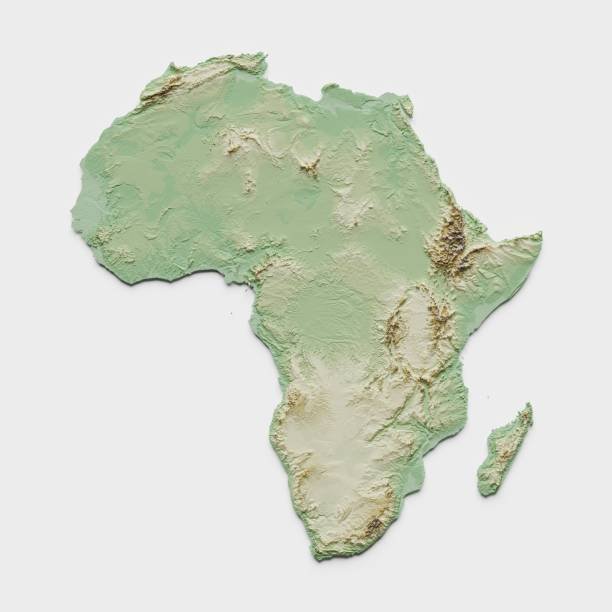
Yes, Africa absolutely has rainforests, and they are among the most significant and ecologically vital on Earth. The continent is home to the world's second-largest rainforest, the Congo Basin, a vast expanse of lush, dense forest that plays a crucial role in global climate regulation, biodiversity, and the livelihoods of millions. Beyond the Congo, smaller yet equally important rainforest patches exist in West Africa and along the eastern coast, each contributing to the continent's rich natural heritage. Understanding these rainforests involves exploring their unique ecosystems, the incredible array of life they support, and the pressing challenges they face.
The Congo Basin: Africa's Green Heartbeat
The Congo Basin rainforest is unequivocally Africa's most prominent rainforest system and a global treasure. Covering approximately 1.7 million square kilometers (about 660,000 square miles), it stretches across six Central African countries: Cameroon, Central African Republic, Democratic Republic of Congo (DRC), Equatorial Guinea, Gabon, and Republic of Congo. This immense tropical rainforest is second only to the Amazon in size and importance, acting as a critical carbon sink and a hotbed of biodiversity.
Location and Scale of the Congo Basin
The geographical reach of the Congo Basin rainforest is staggering. The Democratic Republic of Congo holds the largest share, encompassing roughly 60% of the entire forest. Its strategic location along the equator provides the consistent high temperatures and heavy rainfall necessary to sustain such a verdant ecosystem. The sheer scale makes it an intricate network of diverse forest types, from lowland tropical rainforests to montane forests in higher elevations, creating varied habitats for countless species.
Unique Biodiversity of the Congo Rainforest
The Congo Basin is a hotspot of biodiversity in Africa, harboring an extraordinary concentration of plant and animal life, much of which is found nowhere else on Earth. This tropical rainforest is a sanctuary for some of Africa's most iconic and endangered species. The incredible array of life here underscores its importance as a global conservation priority.
- Mammals: It is home to gorillas (eastern and western lowland gorillas), chimpanzees, bonobos (our closest living relatives, found only in the DRC), forest elephants, okapi (a unique giraffe relative), and various antelope species. The density of primate species is particularly noteworthy.
- Birds: Over 1,000 bird species, including many endemic ones, thrive within its canopy and undergrowth.
- Reptiles and Amphibians: A vast number of snakes, lizards, frogs, and other amphibians contribute to the rainforest's intricate food webs.
- Insects: Millions of insect species, many still undiscovered, play vital roles in pollination and decomposition.
- Flora: The plant diversity is equally impressive, with thousands of tree species, medicinal plants, and flowering plants forming the dense canopy and understory.
The complex interactions between these species create a resilient yet fragile ecosystem. The sheer number of endemic species highlights the unique evolutionary history of this Central African rainforest.
Ecological Importance and Global Impact
The Congo Basin rainforest is not just important for Africa; it has a profound global impact. Its vast tree cover absorbs immense quantities of carbon dioxide from the atmosphere, making it a critical player in regulating global climate patterns and mitigating climate change. It is often referred to as the 'second lung of the planet,' following the Amazon. Furthermore, the forest influences rainfall patterns across the continent and beyond, contributing to agricultural productivity in distant regions.
The rainforest also provides essential ecosystem services to local communities and indigenous populations, who have lived in harmony with the forest for centuries. These services include clean water, fertile soil, non-timber forest products (such as medicinal plants and food sources), and cultural heritage. The health of the Congo Basin is intricately linked to the well-being of its inhabitants and the planet as a whole.
Other Rainforest Areas in Africa
While the Congo Basin dominates the narrative, Africa is home to other significant, though smaller, rainforest areas. These regions also boast rich biodiversity and contribute to the continent's ecological resilience.
West African Rainforest Belt
Along the coast of West Africa, from Guinea-Bissau to Ghana, lies a fragmented but ecologically significant rainforest belt. Countries like Liberia, Sierra Leone, Côte d'Ivoire, and Ghana once hosted extensive rainforests. Sadly, much of this has been heavily impacted by deforestation due to agriculture, logging, and human settlement over centuries. However, remaining patches, such as those in Tai National Park in Côte d'Ivoire and Gola Rainforest National Park in Sierra Leone, are vital for species like pygmy hippos, forest elephants, and numerous primate species. These areas represent some of the most threatened rainforest ecosystems in Africa.
East African Coastal Forests and Madagascar
On the eastern side of the continent, a narrow strip of coastal forest extends from Somalia down to Mozambique. These forests, though not as vast as the Congo Basin, are unique in their species composition and are considered biodiversity hotspots. Madagascar, the large island nation off Africa's southeastern coast, is also renowned for its unique rainforests, which are home to 80% of its plant and animal species found nowhere else. Its eastern slopes receive heavy rainfall, supporting lush forests where lemurs, chameleons, and unique flora thrive. The rainforests of Madagascar are a prime example of distinct rainforest wildlife in Africa, albeit geographically separate.
Threats to Africa's Rainforests
Despite their immense value, Africa's rainforests face severe and escalating threats. These pressures jeopardise their biodiversity, ecological functions, and the livelihoods of millions, contributing significantly to deforestation in Africa.
Deforestation and Agricultural Expansion
The most immediate and pervasive threat is deforestation, primarily driven by agricultural expansion. Subsistence farming, particularly slash-and-burn agriculture, clears vast tracts of forest for crops. Large-scale industrial agriculture, especially for palm oil, rubber, and cocoa, also contributes significantly. This conversion of forest land directly destroys habitats and releases stored carbon into the atmosphere, exacerbating climate change in Africa.
Illegal Logging and Mining
Logging, both legal and illegal, is another major driver of forest degradation. The demand for tropical timber, often from international markets, leads to unsustainable harvesting practices. Roads built for logging often open up previously inaccessible forest areas, making them vulnerable to further encroachment. Furthermore, mining for minerals such as coltan, gold, and diamonds, particularly in the DRC, leads to significant habitat destruction, pollution of water sources, and social conflicts, adding to the pressure on the Africa rainforest ecosystem.
Climate Change and Infrastructure Development
Climate change itself poses a long-term threat. Altered rainfall patterns, increased temperatures, and more frequent extreme weather events can disrupt the delicate balance of rainforest ecosystems, making them more susceptible to disease and fires. Additionally, large-scale infrastructure projects, such as hydroelectric dams, roads, and railways, fragment forests, displace communities, and open up new areas to exploitation.
Bushmeat Trade and Poaching
The illegal bushmeat trade and poaching are critical threats to the wildlife within African rainforests. The demand for meat, often for urban markets, leads to the unsustainable hunting of forest animals, including primates, antelopes, and even elephants. This depletion of wildlife populations has cascading effects on the ecosystem, disrupting seed dispersal, pollination, and predator-prey dynamics.
Conservation Efforts and Solutions
Recognizing the critical importance of these forests, numerous efforts are underway to protect and restore Africa's rainforests. These initiatives often involve a multi-faceted approach, combining local engagement with international support.
Protected Areas and National Parks
Establishing and effectively managing protected areas, such as national parks and wildlife reserves, is a cornerstone of conservation strategies. The Congo Basin alone contains numerous protected areas, including:
- Salonga National Park (DRC): One of the largest tropical rainforest national parks in Africa, home to bonobos and forest elephants.
- Nouabalé-Ndoki National Park (Republic of Congo): Renowned for its pristine forests and significant populations of western lowland gorillas.
- Dzanga-Ndoki National Park (Central African Republic): Part of the Sangha Trinational, a UNESCO World Heritage site shared with Cameroon and Republic of Congo, known for its forest elephants and gorillas.
These areas provide safe havens for wildlife and crucial ecological corridors. However, their effectiveness often depends on adequate funding, anti-poaching efforts, and community involvement.
Sustainable Forest Management and Ecotourism
Promoting sustainable forest management practices among local communities and commercial logging companies is vital. This includes selective logging, reforestation, and ensuring that timber harvesting adheres to strict environmental standards. Ecotourism, when managed responsibly, can provide economic incentives for forest conservation by demonstrating the financial value of intact ecosystems. Gorilla trekking in Uganda, Rwanda, and the DRC is a prime example of how ecotourism can directly support conservation efforts and provide employment for local people, fostering a sense of ownership over the forest's preservation.
Community Engagement and Indigenous Rights
Empowering local and indigenous communities is paramount. These communities often possess traditional knowledge about sustainable resource management and have a vested interest in the long-term health of the forest. Recognizing their land rights, involving them in decision-making processes, and supporting their sustainable livelihoods can create powerful alliances for conservation. Programs that provide alternatives to destructive practices, such as sustainable agriculture or alternative income generation, are crucial for reducing pressure on the rainforest.
International Cooperation and Policy
Addressing the threats to Africa's rainforests requires robust international cooperation, financial support, and strong policy frameworks. Initiatives like the Central African Forest Commission (COMIFAC) aim to harmonize forest policies across the region. International donors and organizations play a vital role in funding conservation projects, supporting anti-poaching units, and promoting sustainable development. Global agreements on climate change and biodiversity also provide frameworks for collective action to protect these invaluable ecosystems.
The Future of Africa's Rainforests
The future of Africa's rainforests, particularly the Congo Basin, hinges on a delicate balance between economic development and environmental preservation. The population in Central Africa is growing, and with it, the demand for resources. However, there is also a growing recognition, both locally and globally, of the irreplaceable value of these forests.
Continued investment in sustainable alternatives, strengthening governance and law enforcement against illegal activities, and supporting scientific research to better understand these complex ecosystems will be critical. Education and awareness campaigns can also help foster a deeper appreciation for the unique rainforests in Africa and their global significance. The long-term survival of the diverse species and the ecological services provided by these forests will depend on sustained commitment and collaborative action from all stakeholders.
In conclusion, Africa is undeniably home to magnificent rainforests, most notably the colossal Congo Basin. These vital ecosystems are powerhouses of biodiversity, critical regulators of global climate, and sustain millions of lives. While facing immense pressures from deforestation, resource extraction, and climate change, dedicated conservation efforts, sustainable practices, and international collaboration offer hope for their future. Preserving Africa's rainforests is not just an African challenge but a global imperative for the health of our planet and its diverse inhabitants.
Enjoyed this read?
Share it with your friends and colleagues.