Is Africa A Rich Country

BSC Insights Admin
September 30, 2026
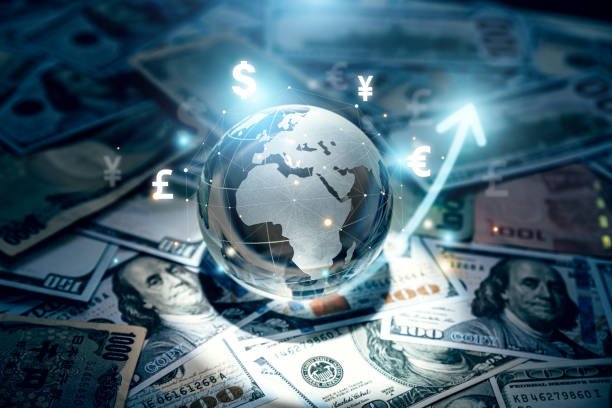
Is Africa a Rich Country? Unpacking the Continent's True Wealth and Potential
Africa is not a country, but a vast continent of 54 diverse nations, often inaccurately perceived as uniformly poor. In reality, Africa possesses immense natural wealth, rich cultural heritage, and rapidly growing economies, challenging the simplistic narrative of a 'poor continent.' While it faces significant developmental challenges, the question of 'Is Africa a rich country' misunderstands its geographical and economic complexity, overlooking its vast resources and the burgeoning potential within its diverse economies.
Deconstructing the Misconception: Africa is Not a Country
The most fundamental misunderstanding embedded in the question 'Is Africa a rich country' is the geographical error itself. Africa is the world's second-largest continent, home to 54 sovereign countries, each with its unique history, culture, political landscape, and economic trajectory. To generalize about Africa as a single economic entity is akin to doing the same for Europe or Asia. The continent spans a spectrum from highly industrialized nations and emerging market giants to fragile states and least developed countries. This incredible diversity means that economic performance, resource endowment, and living standards vary dramatically from one nation to another, making any single blanket statement about its wealth inaccurate and misleading.
Africa's Abundant Natural Resources: A Foundation of Wealth
Beneath Africa's diverse landscapes lies an extraordinary bounty of natural resources, making it one of the world's richest continents in terms of raw materials. This natural endowment forms a significant part of Africa's economic potential and its inherent wealth.
- Minerals: Africa is a major global supplier of vital minerals. It holds a substantial portion of the world's reserves of precious metals like gold (South Africa, Ghana), diamonds (Botswana, South Africa, Angola), and platinum. Industrial minerals such as cobalt (Democratic Republic of Congo – DRC, which holds over 70% of global reserves), copper (DRC, Zambia), manganese, bauxite, and uranium are also found in abundance. These minerals are critical for global industries, including electronics, renewable energy technologies, and manufacturing.
- Energy Resources: The continent is rich in fossil fuels, with significant reserves of oil and natural gas found in countries like Nigeria, Angola, Algeria, Egypt, and Libya. Beyond fossil fuels, Africa boasts immense potential for renewable energy. Its vast deserts offer unparalleled opportunities for solar power generation, its numerous rivers provide untapped hydropower capacity, and its coastlines and plains are suitable for wind energy projects.
- Agricultural Potential: With approximately 60% of the world's uncultivated arable land, Africa has enormous agricultural potential. Countries across the continent produce major cash crops such as cocoa (Côte d'Ivoire, Ghana), coffee (Ethiopia, Uganda), tea, cotton, and various grains and fruits. This agricultural wealth supports livelihoods and offers significant export opportunities, contributing to African wealth.
- Forestry and Fisheries: Extensive forest areas, particularly in Central Africa, provide timber and other forest products. The continent's vast coastlines and numerous inland water bodies support diverse fisheries, providing food security and export revenue.
- Water Resources: Major river systems like the Nile, Congo, Niger, and Zambezi provide crucial water for agriculture, hydropower, and domestic use, representing an invaluable resource for the continent's future development.
These resources, if managed effectively and beneficiated domestically, could underpin sustained economic development in Africa for generations.
Economic Drivers and Growth Sectors in Africa
While often characterized by its natural resource wealth, Africa's diverse economies are increasingly driven by a range of sectors beyond raw material extraction. The continent is experiencing significant structural transformation, contributing to a more nuanced understanding of 'Is Africa a rich country' from an economic standpoint.
- Mining and Extractive Industries: Historically, this sector has been a primary driver of GDP and export earnings for many African nations. Countries like South Africa, Botswana, Angola, and the DRC rely heavily on mining.
- Agriculture and Agro-processing: This sector remains the backbone of many African economies, employing a large portion of the population. There's a growing push towards agro-processing to add value to raw agricultural products before export, creating jobs and increasing revenues.
- Manufacturing: While nascent in many areas, manufacturing is a growing sector, particularly in countries like South Africa, Egypt, Morocco, and Ethiopia. The focus is shifting towards textiles, automotive assembly, and light consumer goods, aiming to industrialize and diversify economies.
- Services Sector: The services sector is rapidly expanding and contributing significantly to GDP across the continent. This includes:
- Telecommunications and Digital Economy: Africa has seen a boom in mobile phone penetration and mobile banking (e.g., M-Pesa in Kenya), driving innovation and financial inclusion. Tech hubs are emerging in cities like Lagos, Nairobi, and Cape Town.
- Financial Services: Robust banking and insurance sectors are developing to support economic activities and a growing middle class.
- Tourism: Rich biodiversity, unique cultural heritage, and iconic natural landmarks (e.g., Serengeti, Victoria Falls, Pyramids) attract millions of tourists annually, generating substantial revenue for countries like Kenya, Tanzania, South Africa, and Egypt.
- Infrastructure Development: Massive investments in roads, railways, ports, power generation, and digital networks are creating jobs and improving connectivity, which are crucial for unlocking further opportunities in Africa.
The rise of these sectors indicates a move towards more diversified and resilient economies, lessening reliance on volatile commodity prices.
Challenges Hindering Wealth Realization
Despite its immense resources and growing sectors, Africa faces significant challenges that often prevent the full realization and equitable distribution of its wealth, leading to the prevalent misconceptions about Africa's economic state. Addressing these challenges is key to answering 'Is Africa a rich country' not just in potential, but in lived reality for its citizens.
- Governance and Political Instability: Issues such as corruption, weak institutions, political instability, and conflicts divert resources, deter investment, and hinder effective policy implementation.
- Infrastructure Deficiencies: Lack of adequate transportation networks (roads, rail, ports), reliable energy supply, and access to clean water and sanitation impedes economic growth, increases business costs, and affects quality of life.
- Human Capital Development: Gaps in education, healthcare, and skills training mean that many African nations struggle to build a skilled workforce capable of driving modern economies and benefiting from technological advancements.
- Resource Management and Value Addition: Many African countries export raw materials without processing them domestically, thereby missing out on significant value addition, job creation, and higher export revenues. This often means others profit more from African natural resources than the continent itself.
- Climate Change: Africa is highly vulnerable to the impacts of climate change, including droughts, floods, and desertification, which severely affect agriculture, water resources, and livelihoods.
- Debt Burden: High levels of external debt can constrain government spending on essential services and infrastructure, limiting economic development in Africa.
Overcoming these entrenched hurdles requires sustained political will, sound economic policies, regional cooperation, and international partnerships.
Key Opportunities for Economic Transformation and Future Growth
Despite the challenges, Africa is brimming with significant opportunities for economic transformation, positioning it for substantial future growth and a definitive shift in the narrative around 'Is Africa a rich country'.
- The African Continental Free Trade Area (AfCFTA): Launched in 2021, the AfCFTA aims to create the world's largest free trade area, connecting 1.3 billion people across 54 countries with a combined GDP of $3.4 trillion. This initiative is expected to boost intra-African trade, foster industrialization, create regional value chains, and attract foreign direct investment, significantly enhancing Africa's economic potential.
- Investment in Infrastructure: Ongoing and planned mega-projects in transport, energy, and digital connectivity are opening up new markets and reducing trade barriers, vital for Africa's economic development.
- Human Capital Development: Investments in education, vocational training, and health initiatives are creating a younger, healthier, and more skilled workforce, which is Africa's greatest asset. The continent's youthful population represents a significant demographic dividend.
- Technological Leapfrogging: Africa has shown an incredible ability to adopt and adapt new technologies. Mobile banking, e-health, e-learning, and renewable energy solutions are bypassing traditional development pathways, creating unique growth trajectories.
- Diversification of Economies: Many nations are actively pursuing strategies to move beyond commodity dependence, focusing on manufacturing, services, and technology to build more resilient and dynamic economies. This reduces vulnerability to global commodity price fluctuations, strengthening African wealth.
- Good Governance and Anti-Corruption Efforts: While progress is uneven, there is a growing commitment across the continent to strengthen democratic institutions, promote transparency, and combat corruption, which are fundamental for sustainable development and attracting long-term investment.
These initiatives, coupled with a growing entrepreneurial spirit, paint a promising picture for the future of Africa's economy.
Examples of Economically Thriving African Nations
To further illustrate that Africa is not a monolithic entity and that some of its nations are indeed prospering, consider the following examples:
- South Africa: The continent's most industrialized economy, with diversified sectors including mining, manufacturing, finance, and tourism. It boasts advanced infrastructure and a robust legal framework.
- Nigeria: Africa's largest economy by GDP and most populous country. Rich in oil, it also has a burgeoning services sector, a rapidly growing tech scene (particularly in Lagos), and a massive consumer market.
- Egypt: A diversified economy benefiting from the Suez Canal, tourism, agriculture, and a growing manufacturing base. It is a significant player in North Africa and the Middle East.
- Kenya: An East African powerhouse, known for its strong agricultural sector (tea, coffee), vibrant tourism, and leading role in mobile money innovation and technology. Nairobi is a major regional tech hub.
- Ghana: A politically stable country with significant gold and oil reserves. It has also made strides in agricultural processing and a growing services sector.
- Morocco: Known for its strong agricultural exports, tourism, and growing manufacturing sectors, particularly in automotive and aerospace components. Its proximity to Europe provides significant trade advantages.
- Rwanda: Despite its tragic past, Rwanda has emerged as a leader in good governance, ease of doing business, and a focus on technology and tourism, demonstrating remarkable post-conflict recovery and visionary leadership.
These examples highlight the diverse paths to economic growth and development being pursued across the continent, further debunking the notion that Africa is uniformly poor.
The Future of African Wealth: A Continent on the Rise
The narrative around African wealth is undoubtedly shifting. The continent is no longer solely defined by its challenges but increasingly recognized for its dynamic potential and opportunities. The coming decades are expected to see a significant rise in Africa's economic potential due to several factors:
- Demographic Dividend: Africa has the world's youngest and fastest-growing population. This youth bulge, if properly educated and employed, represents an immense workforce and a growing consumer market.
- Growing Consumer Market: The rise of a middle class across various African nations is leading to increased domestic consumption, driving demand for goods and services and attracting both local and international investment.
- Increasing Global Investment Interest: As traditional markets mature, global investors are increasingly looking to Africa for higher returns and new growth frontiers, recognizing the immense, often untapped, potential across various sectors.
- Regional Integration: Initiatives like the AfCFTA are fostering greater regional integration, which is crucial for building larger markets, achieving economies of scale, and attracting larger investments.
- Focus on Sustainable Development: There's a growing commitment to sustainable development practices, including green energy, eco-tourism, and climate-resilient agriculture, which will ensure that future growth is equitable and environmentally responsible.
The combination of these factors suggests a robust and optimistic outlook for economic development in Africa, moving it towards a future where its vast potential is fully realized.
Conclusion: Africa is Rich, Diverse, and Full of Potential
In conclusion, the question 'Is Africa a rich country' is fundamentally flawed. Africa is not a single country, but a continent of extraordinary geographical, cultural, and economic diversity. While it continues to grapple with significant developmental challenges, it is undeniably rich in natural resources, boasts a youthful and dynamic population, and is home to rapidly growing and diversifying economies. The continent's immense, often unrealized, potential makes it a key player in the global economy of the 21st century. The ongoing efforts in infrastructure development, regional integration, human capital investment, and technological innovation are collectively propelling Africa towards a future where its inherent wealth translates into widespread prosperity and improved living standards for its diverse populations. The narrative is decisively shifting from one of perceived poverty to one of immense opportunity and sustainable growth.
Enjoyed this read?
Share it with your friends and colleagues.