Is Africa One Of The Richest Countries In The World

BSC Insights Admin
October 01, 2026
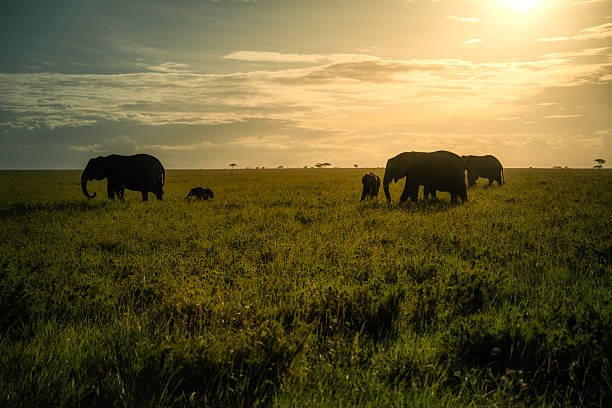
Africa is often mistakenly referred to as a single country, but it is in fact a vast continent comprising 54 diverse nations. While rich in unparalleled natural resources and human potential, answering whether "Africa is one of the richest countries in the world" requires a nuanced understanding: economically, the continent presents a complex picture of immense wealth in resources contrasted with significant development challenges, leading to varied levels of prosperity across its many states. This dichotomy means that while some African nations boast rapidly growing economies and significant mineral wealth, the continent as a whole faces issues like poverty, inequality, and infrastructure gaps, making a simple "yes" or "no" answer misleading.
To truly grasp the economic standing of Africa, one must look beyond generalizations and delve into its diverse economies, abundant resources, historical context, and ongoing development efforts. This comprehensive exploration will shed light on why Africa is often considered both immensely rich in potential and challenged by systemic issues that affect its overall economic perception globally.
Africa's Abundant Natural Resources: A Foundation of Wealth
When considering Africa's wealth, its natural resource endowment is undeniably a primary factor. The continent is a treasure trove of minerals, energy sources, and fertile land, making it crucial to global supply chains and a significant player in the world's resource market. Understanding this richness is key to answering the question: "Is Africa one of the richest continents?"
Precious Minerals and Metals
- Gold: Africa is a major producer of gold, with countries like South Africa, Ghana, Mali, and Burkina Faso being significant contributors.
- Diamonds: Nations such as Botswana, South Africa, Angola, and Namibia are world leaders in diamond production, contributing substantially to their national economies.
- Platinum Group Metals (PGMs): South Africa holds the vast majority of the world's known platinum reserves, essential for various industrial applications.
- Copper and Cobalt: The Democratic Republic of Congo and Zambia are globally important sources of copper and cobalt, critical for electronics and electric vehicle batteries.
- Other Minerals: Africa also boasts significant reserves of iron ore, chromium, manganese, uranium, bauxite, and phosphates, all vital for global industries.
Oil, Gas, and Energy Potential
Beyond minerals, Africa is rich in energy resources. Countries like Nigeria, Angola, Algeria, and Libya are major oil and natural gas producers. The continent also possesses immense potential for renewable energy, particularly solar, hydro, and wind power, positioning it as a future leader in green energy development. The Grand Ethiopian Renaissance Dam, for instance, highlights the immense hydropower potential. This vast energy wealth is a core component of African economic status.
Agricultural Land and Biodiversity
Africa holds about 60% of the world's uncultivated arable land, offering tremendous agricultural potential. It is a major producer of cocoa, coffee, tea, cotton, and various fruits and vegetables. Its rich biodiversity also supports a thriving tourism industry, which leverages its unique wildlife and natural landscapes.
Economic Realities: A Continent of Contrasts
Despite its vast natural wealth, Africa's economic reality is complex and varied. While it is resource-rich, many African countries face significant socio-economic challenges that impact overall prosperity. This dichotomy makes it difficult to give a simple answer to the question of "wealth in Africa."
GDP vs. GDP Per Capita
Africa's collective GDP is substantial, driven by large economies like Nigeria, South Africa, and Egypt. However, when examining African GDP per capita, which measures average individual wealth, the figures are often lower compared to other regions. This is due to large populations and the historical challenge of converting resource wealth into broad-based economic development and improved living standards for all citizens. Many of the benefits from resource extraction do not always trickle down effectively to the general population.
Vast Disparities Among Nations
It is crucial to remember that Africa is not a monolithic entity. The economic standing of its 54 nations varies dramatically:
- Economically Strong Nations: Countries like Mauritius, Seychelles, Botswana, and South Africa generally exhibit higher human development indices and more diversified economies, albeit with internal challenges.
- Resource-Rich but Developing: Nations such as Nigeria (oil), Angola (oil), and the DRC (minerals) have significant natural wealth but grapple with governance issues, inequality, and poverty.
- Emerging Economies: East African nations like Kenya, Rwanda, and Ethiopia have shown impressive growth rates in recent years, driven by services, agriculture, and infrastructure investments.
These disparities highlight why generalizations about Africa's economic status can be misleading. The question "Is Africa one of the richest countries in the world?" fundamentally misrepresents the continent's diverse economic landscape.
Poverty and Inequality
Despite economic growth in many areas, poverty in Africa remains a significant challenge. A substantial portion of the population still lives below the poverty line, and income inequality is pronounced in many countries. This is often exacerbated by rapid population growth, insufficient job creation, and unequal access to education, healthcare, and basic services. The challenge for many African governments is to ensure that economic growth is inclusive and translates into tangible improvements for all citizens.
Key Economic Drivers and Growth Sectors
Beyond traditional resource extraction, Africa's economies are diversifying, with several sectors driving impressive growth and offering significant opportunities for the future. This diversification is crucial for improving Africa's economic status.
Agriculture and Agri-processing
Agriculture remains the backbone of many African economies, employing a large percentage of the workforce. There's a growing focus on modernizing farming practices, increasing productivity, and developing agri-processing industries to add value to raw agricultural products. This shift from subsistence farming to commercial agriculture is vital for food security and economic growth.
Technology and Innovation
Africa is experiencing a digital revolution. High mobile phone penetration rates have fueled innovation in FinTech, e-commerce, and mobile health services. Countries like Kenya, Nigeria, and South Africa are emerging as tech hubs, demonstrating how technology can leapfrog traditional development stages and create new economic opportunities. This sector is a testament to the continent's capacity for innovation and its youthful demographic's embrace of new technologies.
Manufacturing and Services
While still nascent in many regions, manufacturing is growing, particularly in textiles, automotive assembly, and light industries. The services sector, including banking, telecommunications, and tourism, is also expanding rapidly, contributing significantly to GDP in many nations. This move towards industrialization and a service-based economy is vital for sustained economic growth in Africa.
Challenges to Achieving Full Economic Potential
Despite its immense resources and growth potential, Africa faces several systemic challenges that impede its journey toward widespread prosperity. Addressing these issues is paramount for unlocking the continent's true economic power and addressing the underlying factors behind questions about "poverty in Africa."
Governance and Political Instability
Political instability, conflict, and weak governance structures in some regions deter investment and disrupt economic activity. A lack of transparent and accountable institutions can hinder effective policy implementation and sustainable development. Establishing robust legal frameworks and promoting good governance are critical for fostering a conducive business environment.
Infrastructure Deficits
Inadequate infrastructure—including roads, railways, ports, energy, and digital connectivity—is a major bottleneck. Limited access to reliable electricity, for example, cripples industrial growth and increases business costs. Significant investment is needed to bridge this infrastructure gap and facilitate trade and economic integration.
Corruption and Capital Flight
Corruption remains a pervasive issue in many parts of Africa, diverting resources that could otherwise be used for public services and development. This, combined with illicit financial flows and capital flight, drains billions of dollars from the continent annually, undermining efforts to build sustainable economies.
Climate Change Impacts
Africa is disproportionately affected by climate change, experiencing more frequent and severe droughts, floods, and extreme weather events. These impacts devastate agricultural output, displace communities, and strain national budgets, posing a significant threat to long-term economic stability and food security.
Human Capital Development
While Africa has a large youth population, challenges in education, healthcare, and skills development mean that the full potential of its human capital is not yet realized. Investing in quality education and vocational training is essential to create a skilled workforce capable of driving innovation and economic diversification.
Africa's Future Economic Outlook and Opportunities
Despite the challenges, the outlook for Africa's economies is largely optimistic, with significant opportunities on the horizon. The ongoing efforts and strategic initiatives position the continent for substantial future growth and a redefinition of its global economic standing.
Demographic Dividend
Africa has the youngest and fastest-growing population globally. This "demographic dividend" represents a massive potential workforce and consumer market if adequately educated, trained, and employed. This youthful energy is a key factor in future African economic growth.
African Continental Free Trade Area (AfCFTA)
The AfCFTA, launched in 2021, is set to create the world's largest free trade area, connecting 1.3 billion people across 54 countries with a combined GDP of $3.4 trillion. This initiative is expected to significantly boost intra-African trade, foster industrialization, and enhance the continent's competitiveness on the global stage. It represents a monumental step towards diversified African economies and collective prosperity.
Increased Foreign Direct Investment (FDI)
FDI inflows to Africa have been growing as global investors recognize the continent's untapped potential, growing consumer markets, and resource wealth. Investment in sectors like renewable energy, infrastructure, technology, and manufacturing is steadily increasing, contributing to job creation and economic development.
Sustainable Development and Green Economy
Many African nations are embracing sustainable development pathways, focusing on renewable energy, climate-smart agriculture, and eco-tourism. This shift towards a green economy not only addresses environmental concerns but also creates new economic opportunities and attracts impact investment.
Addressing Misconceptions and Nuance
It is crucial to reiterate that Africa cannot be viewed as a single economic entity or a "country." The continent's vastness, cultural diversity, and economic variations make such an approach inaccurate and unhelpful. While the continent as a whole may not be considered "one of the richest countries in the world" in terms of average per capita income, it is undeniably rich in resources, potential, and human ingenuity.
The narrative around Africa is shifting from one of persistent challenges to one of growing opportunities and resilience. Countries across the continent are implementing reforms, investing in infrastructure, fostering innovation, and integrating their economies. This progress, while uneven, points to a future where Africa's economic standing will be increasingly recognized for its dynamism and potential.
| Indicator | Key African Nations (e.g., Nigeria, South Africa) | Developed Economies (e.g., USA, Germany) |
|---|---|---|
| GDP (Nominal) | Significant, but lower on average per country | Very high, often among the highest globally |
| GDP Per Capita | Generally lower, with notable disparities | Significantly higher |
| Natural Resources | Extremely rich and diverse | Varies, often less dependent on raw materials |
| Economic Diversification | Increasing, but still reliant on primary sectors in many areas | Highly diversified across services, manufacturing, tech |
| Poverty Rates | Higher, but declining in many regions | Significantly lower |
| Investment Opportunities | High potential in emerging markets, resources, and tech | Stable, mature markets |
Summary: A Continent of Immense Potential and Complex Realities
In conclusion, the question "Is Africa one of the richest countries in the world?" is based on a fundamental mischaracterization of Africa as a single nation. Africa is a continent of immense natural wealth, extraordinary human potential, and a burgeoning youth population. While it is undoubtedly rich in resources such as minerals, oil, gas, and arable land, the continent faces significant challenges including historical legacies, governance issues, infrastructure deficits, and climate change impacts that affect its overall economic prosperity. These challenges often lead to lower average per capita wealth despite the vast collective resources. However, with ongoing economic diversification, regional integration initiatives like AfCFTA, and a surge in innovation and foreign investment, Africa's economic outlook is increasingly positive. The continent is not a monolith of poverty, but a dynamic and diverse region actively working to unlock its full potential and secure a more prosperous future for its 54 nations and their people.
Enjoyed this read?
Share it with your friends and colleagues.