Is Africa A Safe Continent

BSC Insights Admin
October 26, 2026
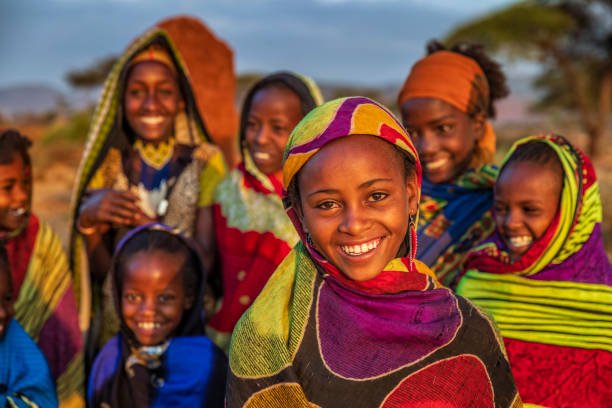
When considering the question, "Is Africa a safe continent?", the answer is nuanced but generally positive for informed travelers. Africa is not a single country but a vast continent comprising 54 incredibly diverse nations, each with its own unique political landscape, cultural norms, and varying levels of safety and security. While some regions face challenges like political instability or higher crime rates, many African countries are remarkably safe, welcoming millions of tourists annually to explore their stunning natural beauty, rich history, and vibrant cultures without incident.
The perception of Africa as a uniformly dangerous place is largely a misconception often fueled by media sensationalism that focuses on isolated conflicts or crises, rather than the everyday reality of peace and progress across much of the continent. Understanding Africa travel safety requires looking beyond broad generalizations and instead focusing on specific destinations, local conditions, and adopting sensible travel precautions.
Understanding Africa's Safety: Perception Versus Reality
The image of Africa in global media often sensationalizes conflict, poverty, and disease, leading to a skewed perception of its overall safety. This "single story" overshadows the continent's immense diversity, economic growth, and the peaceful, thriving communities that constitute the majority. For many, the mental image of Africa is one of danger, yet this is far from the truth for vast swathes of the continent, particularly those reliant on tourism.
Is it safe to travel to Africa? Millions of tourists, adventurers, and business travelers visit Africa every year, enjoying safaris, pristine beaches, bustling cities, and ancient wonders. Countries like Mauritius, Botswana, Rwanda, and Ghana consistently rank high on global peace indices, demonstrating that stability and security are the norm, not the exception, in many African nations. The challenge lies in distinguishing between the perception of risk and the actual risk in specific locations.
The reality is that personal safety concerns in Africa are often similar to those faced by travelers in any part of the world: petty crime, road safety, and health precautions. With proper planning, research, and adherence to local advice, the vast majority of visits to Africa are safe and incredibly rewarding.
Africa's Diverse Landscape: 54 Nations, Not One
To accurately assess safety, it's crucial to remember that Africa is a continent of 54 independent states, each with its own government, economy, culture, and security situation. Comparing the safety of Morocco to Somalia, or South Africa to Seychelles, is like comparing Canada to Mexico or Norway to Turkey – they are vastly different entities within a shared continent.
This diversity means that travel advisories, crime statistics, and health risks vary significantly from one country to another, and even from one region to another within the same country. For instance, while certain areas of Nigeria might experience security challenges, other parts are perfectly safe for visitors and daily life. Therefore, blanket statements about African safety are inherently misleading and unhelpful. Travelers should always research their specific destination rather than making assumptions about the entire continent.
Factors Influencing Safety in African Countries
Several key factors contribute to the safety profile of any given African nation. Understanding these can help travelers make informed decisions and prepare adequately for their journeys.
Political Stability and Governance
Political stability is a primary indicator of a country's safety. Nations with stable governments, strong rule of law, and effective public services tend to be safer. Conversely, countries experiencing political unrest, coups, or civil conflicts pose higher risks. Many African nations have made significant strides in democratic governance, leading to greater stability and security. Countries like Botswana, Namibia, and Ghana are renowned for their robust democratic institutions and peaceful transitions of power, directly contributing to their reputation for being among the safest countries in Africa.
Crime Rates (Petty vs. Violent)
Like anywhere in the world, crime exists in Africa. It's important to distinguish between petty crime (e.g., pickpocketing, bag snatching), which is common in urban areas and tourist hotspots, and violent crime. Most tourist-related incidents fall into the petty crime category, which can often be mitigated by exercising vigilance and common sense precautions. Some countries, particularly those with significant economic disparities like South Africa, do face higher rates of violent crime in certain areas. However, tourist areas are often well-policed, and tour operators are adept at navigating visitors safely.
Health Risks and Infrastructure
Health and safety are intertwined. Travelers to Africa often need to consider specific health risks such as malaria, yellow fever, dengue fever, and other tropical diseases. While these are serious, they are largely preventable through vaccinations, prophylactic medications, and insect repellent. Many African countries have improving healthcare infrastructure, especially in major cities and tourist zones, but access to advanced medical care can be limited in remote areas. Comprehensive travel insurance with medical evacuation is highly recommended when considering health and safety in Africa.
Terrorism and Extremism
In certain regions, terrorism and extremist groups pose a threat, often in specific, localized areas. West Africa's Sahel region, parts of East Africa, and North Africa have seen incidents linked to such groups. It's vital to consult up-to-date travel advisories from your home government, as these bodies monitor such threats closely and provide specific guidance on areas to avoid. It's important to note that these threats are usually highly localized and do not affect the vast majority of the continent.
Infrastructure and Road Safety
The quality of infrastructure, particularly roads, can impact safety. Poor road conditions, unpredictable driving habits, and inadequate vehicle maintenance contribute to higher road accident rates in some African countries. Many tour operators use well-maintained vehicles and experienced drivers to mitigate these risks. Public transportation outside of major cities can be less reliable or safe, making private transfers or reputable tour companies a preferred option for many visitors.
Spotlight on Safest Countries in Africa for Travelers
Despite generalizations, many African nations consistently rank as incredibly safe and welcoming destinations for international visitors. These countries have invested in tourism infrastructure, maintain stable political environments, and boast low crime rates, making them ideal for exploring Africa's vibrant cultures and landscapes.
- Botswana: Renowned for its political stability, low corruption, and world-class wildlife safaris in areas like the Okavango Delta. Botswana offers a very safe and upscale safari experience.
- Rwanda: A remarkable success story in stability and development, Rwanda is incredibly safe with very low crime rates. It's famous for gorilla trekking and its clean, organized capital, Kigali.
- Mauritius: An island paradise in the Indian Ocean, Mauritius is consistently ranked among the safest countries globally. It's known for its stunning beaches, luxurious resorts, and friendly populace.
- Namibia: Offers breathtaking desert landscapes and abundant wildlife. Namibia is very safe, particularly for self-drive adventures, with excellent infrastructure and a sparse population.
- Ghana: Known for its warm hospitality, rich history, and vibrant culture. Ghana is considered one of West Africa's safest and most stable countries, popular for cultural tours and coastal relaxation.
- Tanzania: Home to the Serengeti, Mount Kilimanjaro, and Zanzibar, Tanzania attracts millions of tourists annually. The main tourist circuits are very safe, with a strong focus on traveler security for safari and beach holidays.
- Seychelles: Another Indian Ocean gem, Seychelles boasts pristine beaches and clear waters. It is extremely safe, ideal for couples and families seeking a tranquil escape.
Even within countries like South Africa, which can have higher overall crime rates, popular tourist destinations such as Cape Town, the Garden Route, and Kruger National Park are generally safe for visitors, especially when using reputable tour operators and exercising caution.
Essential Safety Tips for Africa Travel
Regardless of your destination, adopting sensible precautions and being well-prepared is key to ensuring a safe and enjoyable trip to any part of the world, including Africa. Here are crucial safety tips for Africa travel:
- Research Your Destination Thoroughly: Before you go, consult government travel advisories (e.g., U.S. State Department, UK Foreign Office) for specific warnings or recommendations for your chosen country or region. Understand local laws, customs, and political situations.
- Choose Reputable Tour Operators: For safaris, excursions, and inter-city travel, use established, well-reviewed tour companies. They have local expertise and prioritize client safety.
- Secure Comprehensive Travel Insurance: Ensure your policy covers medical emergencies, evacuations, trip cancellations, and lost luggage. This is non-negotiable for understanding African safety.
- Address Health Precautions: Visit your doctor well in advance to discuss necessary vaccinations (Yellow Fever, Hepatitis, Typhoid, etc.) and malaria prophylaxis if traveling to high-risk areas. Pack a basic first-aid kit.
- Protect Valuables and Be Aware of Your Surroundings: Minimize carrying large amounts of cash or expensive jewelry. Use hotel safes. Be vigilant in crowded areas, especially in cities, to guard against petty theft. Avoid walking alone at night in unfamiliar areas.
- Dress Respectfully and Observe Local Customs: Modest dress can prevent unwanted attention and shows respect for local culture, particularly in conservative regions or religious sites.
- Stay Hydrated and Sun Protected: Africa's climate can be intense. Drink plenty of bottled water and use high-SPF sunscreen, hats, and sunglasses.
- Be Cautious with Food and Water: Stick to bottled water, avoid ice cubes in drinks outside reputable establishments, and choose freshly cooked, hot food to minimize the risk of foodborne illnesses.
- Transportation Safety: If driving, understand local road conditions and traffic laws. For taxis, use reputable services, agree on fares beforehand, or use ride-sharing apps where available. Avoid overcrowded or poorly maintained public transport.
- Keep Emergency Contacts Handy: Have local emergency numbers, your embassy contact, and your tour operator's details readily accessible.
The Economic Impact: How Tourism Fosters Safety and Stability
Tourism plays a vital role in the economies of many African countries, providing jobs, foreign exchange, and investment opportunities. This economic reliance on tourism often creates a strong incentive for governments and local communities to ensure the safety and security of visitors. Destinations that successfully attract tourists tend to invest more in infrastructure, security forces, and community development, which in turn contributes to overall stability and lower crime rates.
When you choose to visit an African country, you are often directly supporting local businesses, conservation efforts, and the livelihoods of countless individuals. This positive feedback loop means that responsible tourism can be a powerful force for peace and security across the continent, enhancing African security challenges by empowering communities and economies.
Conclusion: Is Africa A Safe Continent for Travelers? Yes, With Nuance.
To conclude, "Is Africa a safe continent?" The definitive answer is that Africa, as a whole, is not inherently unsafe. It is a continent of immense variety, offering a multitude of safe, enriching, and unforgettable travel experiences. While challenges exist in specific, localized areas, these do not reflect the reality of the majority of African nations. By understanding the continent's diversity, researching specific destinations, and adhering to practical travel safety advice, travelers can confidently explore the vast beauty, rich history, and vibrant cultures that Africa has to offer.
The key lies in informed travel: choosing well-established destinations, utilizing reputable service providers, staying abreast of current events and travel advisories, and exercising common sense. Travelers who approach Africa with an open mind and proper preparation will discover that it is not only safe but also one of the world's most welcoming and rewarding continents to explore, promising adventures and memories that last a lifetime. The perception of universal danger is a myth; the reality is an opportunity for incredible, safe exploration.
Enjoyed this read?
Share it with your friends and colleagues.