Is Africa Safe For White Tourists

BSC Insights Admin
October 01, 2026
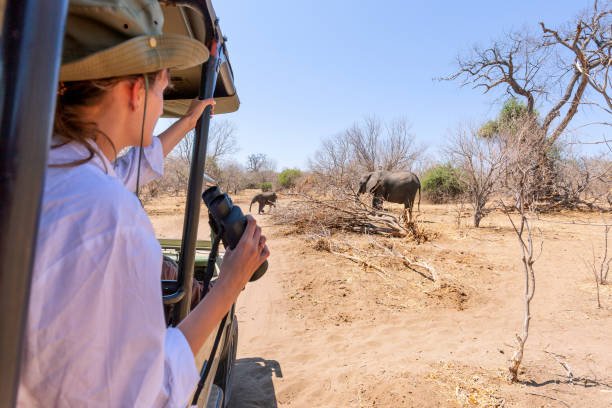
Is Africa safe for white tourists? Yes, Africa can be very safe for white tourists, as it is for travelers of all backgrounds, when destinations are thoroughly researched, reputable tour operators are used, and standard travel safety precautions are observed. The perception of Africa as uniformly dangerous is a widespread misconception; it is a vast continent comprising 54 diverse countries, each with its own unique safety profile, cultural nuances, and varying levels of risk.
Many white tourists enjoy incredible, incident-free trips across various African nations, experiencing its rich cultures, breathtaking landscapes, and unparalleled wildlife. While some regions do face challenges such as political instability or higher crime rates, these are typically localized. Understanding the continent's diversity and preparing adequately are key to a secure and rewarding travel experience.
Understanding Perceptions Versus Reality of Africa Travel Safety
The question, "Is Africa safe for white tourists?" often stems from media portrayals and historical narratives that tend to generalize an entire continent. This perception often overshadows the reality of numerous peaceful, stable, and welcoming countries that thrive on tourism.
The Myth of a Monolithic Continent
Africa is not a single country but a landmass larger than China, India, the United States, and most of Europe combined. To ask about the safety of "Africa" is akin to asking about the safety of "Europe" or "Asia." Each nation, from Morocco in the north to South Africa in the south, and Kenya in the east to Senegal in the west, offers distinct experiences and safety considerations.
- Diversity of Nations: Countries like Botswana and Mauritius consistently rank among the safest globally, while others might have specific regions with travel advisories.
- Media Influence: News often focuses on conflict or crisis, inadvertently creating an exaggerated sense of danger for the entire continent, rather than highlighting the vast areas that are peaceful and safe for visitors.
- Local Realities: Millions of people, including expatriates and local tourists of all ethnicities, live and travel safely within African countries every day.
General Safety Considerations for All Tourists in Africa
While the initial question specifies 'white tourists,' many safety considerations are universal for all international travelers. These considerations primarily revolve around awareness, preparedness, and respecting local customs.
Common Risks and How to Mitigate Them
Like any travel destination worldwide, Africa presents certain risks. These are often similar to those found in major cities across Europe, North America, or Asia.
- Petty Crime: Pickpocketing, bag snatching, and minor scams are common in crowded tourist areas or major cities.
- Mitigation: Be vigilant, secure your belongings, avoid flashing valuables, and be wary of overly friendly strangers offering unsolicited help.
- Health Concerns: Malaria, yellow fever, and other tropical diseases are prevalent in certain regions.
- Mitigation: Consult a travel doctor well in advance for recommended vaccinations and prophylactic medications. Use insect repellent, sleep under mosquito nets, and stay hydrated.
- Road Safety: Road conditions and driving standards can vary significantly, leading to higher risks of accidents.
- Mitigation: Opt for reputable transport services, avoid night driving where possible, and ensure your vehicle is in good condition with an experienced driver.
- Political Instability: Some countries or regions may experience political unrest or civil strife.
- Mitigation: Always check government travel advisories (e.g., from your home country's foreign affairs department) before and during your trip. Avoid demonstrations or large political gatherings.
Addressing Specific Concerns for White Tourists in Africa
The query about 'white tourists' often implies concerns about being targeted due to perceived wealth or racial dynamics. While these are valid points to consider, it's crucial to contextualize them.
Perceived Wealth and Targeting
Any visibly foreign tourist, regardless of race, can be perceived as wealthy and therefore a potential target for petty crime in certain areas. This is not unique to Africa but a global phenomenon.
- Visibility: White tourists might stand out in certain communities, making them more noticeable. However, this visibility is generally met with curiosity and hospitality, not hostility.
- Economic Disparities: In areas with significant economic inequality, any tourist might be seen as an opportunity for unscrupulous individuals. This is about economic perception, not racial animosity.
- Reducing Risk: Dress modestly, avoid ostentatious displays of jewelry or electronics, and be mindful of your surroundings, especially after dark.
Racial Dynamics and Interactions
For the most part, interactions between white tourists and local populations in Africa are positive and welcoming. Many African cultures are known for their hospitality (Ubuntu in Southern Africa is a prime example), and tourists are generally treated with respect and warmth.
- Cultural Sensitivity: Learning a few basic phrases in the local language and understanding cultural etiquette (e.g., greetings, dress codes, bargaining practices) can greatly enhance interactions and demonstrate respect.
- Rare Incidents: While isolated incidents involving racial undertones can occur anywhere in the world, they are not representative of the broader African experience for tourists. Most African nations are multi-ethnic and accustomed to visitors from diverse backgrounds.
Safest Countries and Regions for White Tourists in Africa
When planning a trip, selecting a destination known for its stability and strong tourism infrastructure is a primary step in ensuring safety. Here are some of the most recommended countries:
Top Destinations for Safe Travel in Africa
Many African countries have well-established tourism industries that prioritize visitor safety.
- Botswana: Consistently ranked as one of Africa's safest countries, known for its political stability, low crime rates, and commitment to high-end, low-impact wildlife tourism in areas like the Okavango Delta.
- Namibia: Offers stunning desert landscapes, abundant wildlife, and generally very low crime rates outside of some urban areas. It's an excellent choice for self-drive adventures.
- Rwanda: A remarkable success story in stability and development, known for its gorilla trekking and pristine natural beauty. It boasts very low crime rates and a welcoming atmosphere.
- Ghana: Celebrated for its friendly people, rich history, and vibrant culture. Ghana is considered one of West Africa's most stable and safest nations for tourists.
- Mauritius and Seychelles: These island nations off the coast of East Africa are renowned for their luxurious resorts, pristine beaches, and exceptionally low crime rates, making them ideal for relaxing holidays.
- Tanzania and Kenya: Famous for their safari circuits (Serengeti, Maasai Mara) and coastal attractions. While urban centers like Nairobi and Dar es Salaam require standard urban safety precautions, the safari camps and lodges are typically very secure.
- Morocco: A culturally rich destination in North Africa with a well-developed tourism sector. Major tourist cities like Marrakech and Fes are generally safe, with petty crime being the main concern.
- Egypt: Home to ancient wonders, Egypt has made significant strides in bolstering tourist security, especially around its major historical sites and resorts along the Red Sea.
- South Africa: While it has a reputation for high crime rates in certain areas, particularly in large townships, major tourist hubs like Cape Town, Kruger National Park, and the Garden Route are generally very safe with robust tourism security measures in place. It's crucial to stick to recommended tourist zones and use reputable transport.
Essential Safety Tips for Traveling in Africa
Regardless of your destination in Africa, adopting a proactive and informed approach to safety will significantly enhance your travel experience. These tips are valuable for all tourists.
Practical Advice for a Secure African Adventure
Being prepared and aware are your best defenses against potential issues.
- Thorough Research: Before booking, delve into the specific safety conditions of your chosen country and even the particular regions you plan to visit. Websites of your government's foreign affairs department, reputable travel blogs, and forums offer valuable current information.
- Choose Reputable Operators: For safaris, tours, and accommodations, always opt for well-established, highly-rated companies. They prioritize client safety and have experienced guides and secure logistics.
- Secure Accommodation: Book hotels or lodges with good security (e.g., 24/7 reception, secure entry, CCTV). Read reviews carefully regarding safety.
- Be Aware of Your Surroundings: Pay attention to people and situations around you. Trust your instincts. If a situation feels uncomfortable, remove yourself from it.
- Minimize Displays of Wealth: Avoid wearing expensive jewelry, carrying large amounts of cash, or openly displaying high-end electronics. Try to blend in rather than stand out.
- Travel Insurance: Invest in comprehensive travel insurance that covers medical emergencies, evacuations, trip cancellations, and lost luggage. This is non-negotiable for any international travel.
- Health Precautions: Consult a travel doctor weeks before your trip for necessary vaccinations (e.g., Yellow Fever, Hepatitis), malaria prophylaxis, and general health advice. Carry a basic first-aid kit.
- Local Transport Wisdom: Be cautious when using public transport. Taxis should be licensed and booked through reputable services or hotels. Avoid walking alone at night, especially in unfamiliar areas.
- Respect Local Culture and Laws: Understanding and respecting local customs, dress codes, and laws can prevent misunderstandings and show respect for your hosts.
- Emergency Contacts: Keep a list of emergency numbers (local police, embassy/consulate, tour operator) readily accessible. Inform someone back home of your itinerary.
- Stay Connected: Consider purchasing a local SIM card upon arrival for easier communication, especially in emergencies.
Debunking Common Myths About Travel in Africa
Many of the concerns about traveling to Africa stem from misinformation or broad generalizations. Addressing these myths helps paint a more accurate picture.
Myth vs. Fact: What You Need to Know
Separating fact from fiction is vital for informed travel planning.
| Myth | Reality |
|---|---|
| Africa is one dangerous country. | Africa is a continent of 54 diverse nations, many of which are peaceful, stable, and very safe for tourists. |
| All crime targets foreigners. | While tourists can be targets of petty crime (like anywhere), the majority of crime in Africa is localized and often affects residents. |
| Only wealthy tourists can afford safety. | Safety is more about informed decisions, preparedness, and common sense than solely about wealth. Budget travelers can also travel safely. |
| Wild animals are a constant threat. | In safari areas, responsible tour operators ensure safe viewing distances and provide guides. Incidents are rare and usually a result of not following rules. |
Responsible Tourism and Positive Contribution
Traveling to Africa as a white tourist also presents an opportunity to engage in responsible tourism, which benefits local communities and fosters positive cross-cultural exchange.
Making a Positive Impact
Your travel choices can contribute to the sustainable development and well-being of the places you visit.
- Support Local Businesses: Choose locally owned accommodations, restaurants, and tour operators to ensure your money directly benefits the community.
- Engage Respectfully: Seek opportunities to learn about local cultures and traditions. Engage with locals respectfully, ask questions, and share experiences.
- Environmental Stewardship: Adhere to guidelines for eco-tourism, especially in national parks and wildlife reserves, to minimize your environmental footprint.
- Cultural Exchange: Embrace the opportunity for genuine cultural exchange. Most Africans are incredibly welcoming and proud to share their heritage.
Conclusion
In summary, the answer to "Is Africa safe for white tourists?" is a resounding yes, with the critical caveat that informed planning, responsible choices, and adherence to general travel safety guidelines are essential. Africa offers an unparalleled array of travel experiences, from thrilling safaris and pristine beaches to vibrant cities and ancient historical sites. By choosing reputable operators, staying informed about your specific destination, taking sensible precautions against common risks, and engaging with an open mind, white tourists, like all travelers, can safely and profoundly enjoy the immense beauty, diversity, and hospitality that the African continent has to offer. Do not let generalized fears deter you from an enriching and unforgettable adventure.
Enjoyed this read?
Share it with your friends and colleagues.