Did Africa Sell The Slaves To America

BSC Insights Admin
September 30, 2026
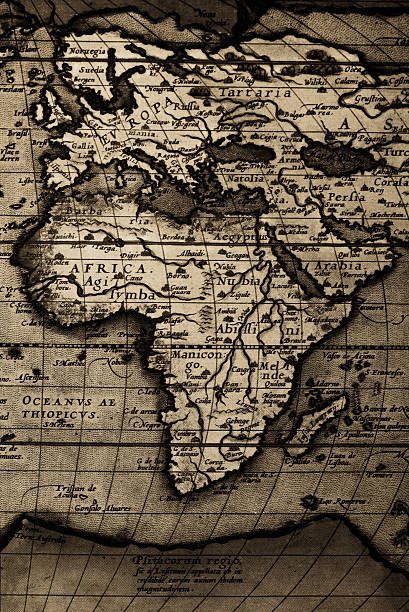
The question, "Did Africa sell the slaves to America?" requires a nuanced historical understanding, as the answer is neither a simple yes nor no. While some African kingdoms and merchants participated in the transatlantic slave trade, selling captured individuals to European traders, it is crucial to recognize that "Africa" is a vast continent, not a monolithic entity. This complex exchange was primarily driven by immense European demand for labor in the Americas, transforming existing African systems of servitude into a brutal, racialized, and industrial-scale chattel slavery enterprise.
A Complex History: The Transatlantic Slave Trade
To fully grasp the dynamics of the transatlantic slave trade, it's essential to understand its origins and the global context in which it operated. This was not a purely African enterprise, nor was it solely European; it was a devastating collaboration, albeit one with unequal power dynamics.
Origins and European Demand
The transatlantic slave trade, also known as the triangular trade, emerged as European colonial powers established plantations in the Americas, particularly for crops like sugar, tobacco, and cotton. The labor-intensive nature of these cash crops created an insatiable demand for a cheap, controllable workforce. Initial attempts to use indigenous populations failed due to disease and resistance, and indentured servitude from Europe proved insufficient and expensive. This led Europeans to turn their gaze towards Africa.
- Economic Imperative: The burgeoning colonial economies of the New World became dependent on enslaved labor for profitability.
- Disease and Resistance: Native American populations were decimated by European diseases and actively resisted enslavement.
- Racial Justification: Over time, a system of racial ideology developed to justify the enslavement of Africans, portraying them as inherently inferior.
African Societies Before European Contact
Before the arrival of Europeans, various forms of servitude and slavery existed within African societies. However, these systems differed significantly from the chattel slavery that developed under European influence.
- Diverse Forms of Servitude: Pre-existing African slavery often involved debt bondage, criminal punishment, or capture during warfare.
- Integration and Rights: Enslaved individuals in African societies often had certain rights, could marry, own property, achieve freedom, and their status was generally not hereditary or permanent in the same racialized way.
- Absence of Racial Basis: Enslavement was not based on race but on tribal, ethnic, or geopolitical factors.
The European demand for enslaved people for the Americas fundamentally altered these existing structures, transforming limited, often temporary forms of servitude into a vast, dehumanizing industry focused on export and lifelong bondage based on race.
The Role of African Kingdoms and Merchants
It is undeniable that certain African kingdoms and merchants played a role in the transatlantic slave trade. However, this participation was diverse, often coerced, and occurred within a framework dictated by European maritime and economic power.
Diverse African Responses
"Africa" was and remains a continent of diverse cultures, political structures, and economic systems. There was no single African response to the European demand for enslaved people. Some powerful coastal kingdoms, such as the Kingdom of Dahomey, the Ashanti Confederacy, and the Kingdom of Kongo, engaged in the trade, sometimes becoming major suppliers. Other groups actively resisted, and many communities were simply victims, raided by more powerful neighbors who were themselves seeking European goods or protection.
- Participation of Elite: Rulers and merchants in certain African states saw economic and strategic advantages in trading enslaved people for European goods.
- Resistance and Victimization: Numerous African communities were targets of raids, kidnapping, and warfare, becoming unwilling victims of the slave trade.
- Internal Conflicts: European traders often exploited existing rivalries and conflicts between African groups, supplying weapons to those willing to capture and sell people.
Economic Incentives and European Influence
European traders primarily offered manufactured goods in exchange for enslaved individuals. These goods included:
- Firearms and Ammunition: These were highly coveted, providing a military advantage to kingdoms that possessed them, often leading to an arms race where groups felt compelled to participate in the trade to defend themselves or expand their power.
- Textiles and Cloth: European fabrics were popular and often seen as luxury items.
- Alcohol and Tobacco: Spirits like rum were frequently traded.
- Iron and Tools: Metal goods were valuable for agriculture and warfare.
This exchange created a powerful economic incentive for some African elites, integrating them into a global trade network that ultimately proved devastating for the continent. The desire for these goods, especially firearms, often fueled inter-group warfare, with the defeated becoming the primary source of captives for the slave markets.
The Mechanics of Capture and Sale
The process of acquiring enslaved people was brutal and systematic:
- Capture: This typically occurred through raids on villages, warfare between kingdoms, or kidnapping by professional slave hunters.
- Forced Marches: Captives were then marched long distances, often in chains, to coastal trading forts (also known as "factories" or "castles") controlled by European powers like the British, Dutch, Portuguese, and French.
- Holding Pens: At these forts (e.g., Elmina Castle, Cape Coast Castle), enslaved people were held in horrific conditions, often for months, awaiting the arrival of slave ships.
- Sale to Europeans: European factors would negotiate prices with African merchants or rulers, exchanging goods for human lives. This stage represented the point of sale from African hands to European hands.
This phase highlights the critical intersection where African and European agents collaborated, albeit with the European side possessing overwhelming naval, economic, and military superiority that shaped the terms of trade.
From African Shores to American Plantations
Once purchased by European traders, enslaved Africans faced the terror of the Middle Passage and the brutal reality of chattel slavery in the Americas.
The Horrors of the Middle Passage
The journey across the Atlantic, known as the Middle Passage, was one of the most inhumane chapters in human history. Enslaved individuals were packed tightly into the holds of ships, often with barely enough room to move, for voyages that could last from weeks to months.
- Brutal Conditions: Overcrowding, lack of sanitation, disease, and starvation were rampant.
- High Mortality Rates: A significant percentage of enslaved people died during the passage, with estimates ranging from 10% to 20% or even higher on some voyages.
- Resistance and Trauma: Many attempted suicide or revolted, facing severe punishment. The psychological and physical trauma inflicted was immense.
Chattel Slavery in the Americas
Upon arrival in the Americas, enslaved Africans were sold at auctions and subjected to a system of chattel slavery. This form of slavery was distinct from many pre-existing systems:
- Racialized: Enslavement was based entirely on race, primarily targeting people of African descent.
- Hereditary: The status of slavery was passed down from mother to child, ensuring a self-reproducing labor force.
- Absolute Ownership: Enslaved people were considered property, not persons, with no legal rights.
- Economic Engine: Chattel slavery was the fundamental economic engine of many colonies, particularly in the Caribbean and the Southern United States, fueling agricultural and industrial development for centuries.
The Enduring Legacy of Slavery
The transatlantic slave trade and the institution of slavery in the Americas had profound and lasting impacts on both continents, shaping societies, economies, and racial dynamics for centuries.
Economic, Social, and Cultural Impact
- Underdevelopment in Africa: The removal of millions of productive individuals, combined with the destabilization caused by perpetual warfare and raids, contributed significantly to the economic and social underdevelopment of many regions in Africa.
- Wealth Generation in the West: The labor of enslaved Africans generated immense wealth for European colonial powers and their descendants, contributing to the rise of industrial capitalism.
- Racial Inequality: The legacy of slavery created deeply entrenched systems of racial hierarchy and inequality that continue to manifest in systemic racism, discrimination, and economic disparities in countries like the United States and throughout the Americas.
- Cultural Resilience: Despite the horrors, enslaved Africans and their descendants forged new cultures, music, spiritual traditions, and forms of resistance that enriched global society and are a testament to human resilience.
The Fight for Abolition
The institution of slavery was met with constant resistance from enslaved people themselves, through overt rebellions, covert acts of sabotage, and the preservation of cultural identity. Eventually, powerful abolitionist movements emerged in Europe and the Americas, fueled by moral arguments and changing economic landscapes.
- Slave Rebellions: Major uprisings like the Haitian Revolution demonstrated the enslaved people's determination for freedom.
- Abolitionist Movements: Figures such as Olaudah Equiano, William Wilberforce, and Frederick Douglass played pivotal roles in advocating for the end of slavery.
- Legal End of Trade: The transatlantic slave trade was officially abolished by various European nations and the U.S. in the early 19th century, though illegal trade persisted.
- Emancipation: Slavery itself was gradually abolished in the Americas throughout the 19th century, culminating with the Emancipation Proclamation and the 13th Amendment in the United States.
Understanding the Nuance: Beyond Simplistic Narratives
It is crucial to resist simplistic narratives that either absolve one party entirely or blame another solely for the transatlantic slave trade history. Understanding this period requires acknowledging the agency and actions of all involved, while also recognizing the vastly different levels of power and coercion at play.
Rejecting Monolithic Views
The notion of a single, unified "Africa" selling its people is a harmful oversimplification. The continent comprised thousands of distinct ethnic groups, languages, and political entities. Some groups were victims, others collaborators under various pressures, and still others actively resisted.
Key takeaway: No single "Africa" existed to make a collective decision. African involvement was fractured and driven by diverse motivations and circumstances.
The Role of Power Dynamics
While some African leaders and merchants participated, the overwhelming power dynamics favored the Europeans. European ships, advanced weaponry, and insatiable demand created a coercive environment. African participation, while real, often occurred within a system initiated and sustained by European economic and military might. The ability to demand specific goods and control the maritime routes gave Europeans significant leverage.
Conclusion
In conclusion, the question of whether Africa sold slaves to America is complex. The historical record indicates that some African kingdoms and merchants did participate in the transatlantic slave trade, selling individuals they had captured in warfare or through other means to European traders. However, this participation was not monolithic, nor did it represent the will of an entire continent. It was part of a larger, brutal system primarily driven by European colonial expansion and an immense demand for labor in the Americas. The African role in transatlantic slavery must be understood within the context of European economic and military superiority, the internal political landscapes of diverse African societies, and the profound dehumanization inherent in the institution of chattel slavery. A comprehensive understanding of this tragic period requires acknowledging the roles of all parties, recognizing the vast power imbalances, and confronting the enduring legacy of slavery on global societies today.
Enjoyed this read?
Share it with your friends and colleagues.