Does Africa Still Have Ebola

BSC Insights Admin
October 01, 2026
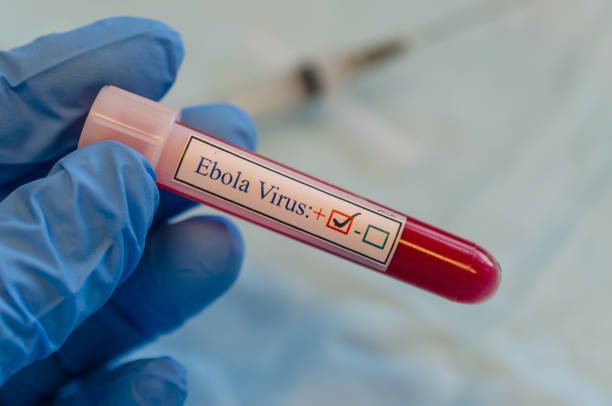
Yes, Ebola virus disease (EVD) still exists in Africa, but its presence is significantly different from the widespread epidemics of the past. While sporadic outbreaks continue to occur, particularly in Central and West Africa, the continent has made monumental strides in enhancing its preparedness, response capabilities, and containment strategies. These efforts have largely transformed Ebola from a devastating, uncontrolled threat into a manageable public health challenge, with localized outbreaks swiftly identified and brought under control through rapid response, effective treatments, and advanced vaccination programs.
Understanding Ebola Virus Disease (EVD)
Ebola Virus Disease, commonly known simply as Ebola, is a rare but severe and often fatal illness caused by infection with one of the Ebola virus species. The virus is transmitted to people from wild animals and then spreads in the human population through direct contact with blood, secretions, organs, or other body fluids of infected people, and with surfaces and materials (e.g., bedding, clothing) contaminated with these fluids. Understanding Ebola virus transmission is crucial for prevention.
What is Ebola?
Ebola is a viral hemorrhagic fever. There are several species of Ebola virus, with Zaire ebolavirus being the most deadly and responsible for the majority of outbreaks. The virus attacks the immune system and organs, causing severe internal bleeding and organ failure. The disease has a high fatality rate if not treated promptly, but advances in medical care have significantly improved survival rates.
Symptoms and Diagnosis of EVD
Symptoms of Ebola typically appear suddenly and can include fever, severe headache, muscle pain, fatigue, and sore throat. These are often followed by vomiting, diarrhea, rash, symptoms of impaired kidney and liver function, and in some cases, both internal and external bleeding (e.g., oozing from the gums, blood in the stool). Early detection of EVD is critical. Diagnosis is confirmed through laboratory tests, often using RT-PCR (reverse transcription polymerase chain reaction) testing on blood samples.
Treatment and Vaccines for Ebola
Significant progress has been made in the fight against Ebola. While there is no definitive cure, several effective treatments and vaccines are now available. For treatment, monoclonal antibody therapies such as Inmazeb and Ebanga have shown high efficacy in improving survival rates. These treatments work by neutralizing the virus in the patient's body. Furthermore, the Ebola vaccine, Ervebo (rVSV-ZEBOV), has proven highly effective in preventing the disease and controlling outbreaks. Ring vaccination strategies, where contacts of confirmed cases and frontline workers are vaccinated, are a cornerstone of modern Ebola control efforts.
The Historical Context of Ebola in Africa
Ebola was first identified in 1976 in two simultaneous outbreaks, one in Nzara, Sudan, and the other in Yambuku, Democratic Republic of Congo (then Zaire), near the Ebola River, from which the disease takes its name. For decades, outbreaks remained relatively small and geographically limited. However, the devastating 2014-2016 West African Ebola epidemic, primarily affecting Guinea, Liberia, and Sierra Leone, changed the global perception and response to the virus. This epidemic was the largest and deadliest in history, highlighting severe gaps in global health security and preparedness.
The lessons learned from the West Africa epidemic were profound. It spurred unprecedented international collaboration, investment in research and development, and a fundamental shift in how public health emergencies are managed across the continent. This experience laid the groundwork for the more robust and coordinated Africa Ebola preparedness and response systems seen today.
Current Status: Is Ebola Present in Africa Today?
To directly answer the question, does Africa still have Ebola, the answer is yes, but the landscape has fundamentally changed. The continent continues to experience occasional, localized outbreaks, primarily due to the natural reservoir of the virus (likely fruit bats) and subsequent zoonotic spillover events to humans. However, these are now typically met with a rapid, coordinated, and effective public health response.
For example, the Democratic Republic of Congo (DRC) has faced multiple Ebola outbreaks in Africa since its discovery, including significant ones in its eastern provinces. These outbreaks, while challenging due to conflict and population mobility, have increasingly been contained more effectively than previous ones, thanks to the widespread deployment of vaccines and improved treatment protocols. Other countries like Guinea and Uganda have also experienced limited outbreaks, which were quickly brought under control.
The key takeaway is that while the virus remains endemic in animal populations in certain regions, the risk of it spiraling into large-scale human epidemics has been significantly reduced. This is a testament to strengthened national health systems and international partnerships focused on vigilance and rapid action.
Factors Contributing to Ebola's Persistence
Several factors contribute to the continued, albeit contained, presence of Ebola in Africa:
- Natural Reservoir: Fruit bats are considered the natural hosts of the Ebola virus, meaning the virus can naturally exist within them without causing disease. This provides a constant potential source for spillover events to humans or other animals.
- Bushmeat Consumption: In some regions, the hunting, butchering, and consumption of wild animals (bushmeat) can facilitate the transmission of the virus from infected animals to humans.
- Porous Borders and Population Movement: The movement of people across borders, particularly in regions with high population mobility, can pose challenges for containment if an infected individual travels unknowingly.
- Limited Healthcare Infrastructure: While improving, some remote and rural areas still lack robust healthcare facilities, making early detection and isolation more difficult in initial stages.
- Cultural Practices: Traditional burial practices, which may involve close contact with the deceased, can inadvertently contribute to the spread of the virus if the person died from Ebola and appropriate precautions are not taken.
Africa's Enhanced Preparedness and Response
The progress in managing Ebola outbreaks is largely due to comprehensive and coordinated strategies implemented across the continent. These strategies focus on multiple layers of defense:
Robust Surveillance Systems
Many African countries, with support from organizations like the World Health Organization (WHO) and the Africa Centres for Disease Control and Prevention (Africa CDC), have invested in strengthening their disease surveillance systems. This includes:
- Community-Based Surveillance: Training local communities to recognize and report unusual illnesses.
- Event-Based Surveillance: Monitoring informal sources like news reports, social media, and rumors for early signs of outbreaks.
- Laboratory Capacity: Expanding the ability to rapidly test and confirm suspected Ebola cases locally, reducing diagnostic delays.
Rapid Response Teams
The deployment of highly trained rapid response teams is crucial. These multi-disciplinary teams include epidemiologists, clinicians, logisticians, and communication specialists who can quickly deploy to outbreak sites to:
- Isolate and Treat Cases: Establishing specialized treatment centers and providing supportive care.
- Contact Tracing: Identifying and monitoring everyone who may have come into contact with an infected person.
- Safe and Dignified Burials: Ensuring that the bodies of deceased Ebola patients are handled safely and respectfully to prevent further transmission.
Effective Vaccination Campaigns
The availability and strategic deployment of the Ebola vaccine (Ervebo) have been game-changers. Ebola vaccine Africa campaigns target those at highest risk:
- Frontline health workers.
- Contacts of confirmed Ebola cases and their contacts (ring vaccination).
- Individuals in high-risk geographic areas.
These campaigns not only protect individuals but also create a protective barrier against wider spread.
Improved Treatment Protocols
Beyond supportive care, specific therapeutic drugs have significantly improved patient outcomes. The use of monoclonal antibodies has transformed Ebola care, offering hope where previously there was little. These advancements mean that Ebola treatment options are far more robust than even a few years ago.
Community Engagement and Risk Communication
Building trust and engaging with affected communities is paramount. This involves:
- Providing accurate information about Ebola prevention, symptoms, and treatment.
- Addressing misinformation and rumors.
- Involving community leaders and traditional healers in response efforts to ensure cultural sensitivity and acceptance of public health measures.
International Collaboration and Funding
Global partnerships provide critical financial and technical support for preparedness and response efforts. Organizations like WHO, CDC, Doctors Without Borders, and various national governments contribute resources, expertise, and training to strengthen Africa's capacity to manage EVD.
Challenges in Eradicating Ebola
Despite significant progress, challenges remain in the long-term fight against Ebola:
- Conflict Zones: Outbreaks in areas of conflict or political instability are incredibly difficult to manage, as access for responders is limited, and populations are often displaced, complicating contact tracing and vaccination.
- Misinformation and Vaccine Hesitancy: False information and distrust in health authorities can hinder effective response efforts, leading to refusal of vaccines or treatment.
- Limited Resources: Some regions still face shortages of trained personnel, essential supplies, and infrastructure, which can delay response times.
- Zoonotic Spillover: As long as the virus exists in its natural animal reservoir, the risk of new spillover events to humans will persist, requiring ongoing vigilance.
The Role of Public Health and Local Communities
The sustained effort against Ebola hinges on strong public health infrastructure and active community participation. Public health agencies are responsible for surveillance, outbreak investigation, laboratory confirmation, and coordinating response efforts. However, local communities are the first line of defense.
- Early Reporting: The prompt reporting of suspected cases by individuals and communities is vital for rapid response.
- Adherence to Health Guidelines: Following recommended hygiene practices (e.g., handwashing), avoiding contact with infected persons or animals, and participating in safe burial practices are crucial.
- Trust in Health Workers: Building and maintaining trust between communities and health responders facilitates cooperation and adherence to public health measures.
Looking Ahead: The Future of Ebola in Africa
The future outlook for Ebola in Africa is one of cautious optimism. While the virus is unlikely to be eradicated entirely due to its zoonotic nature, the capability to prevent, detect, and respond to outbreaks has dramatically improved. Continued investment in strengthening health systems, particularly at the primary healthcare level, ongoing research into new vaccines and treatments, and robust international cooperation will be essential. The goal is not just to contain outbreaks but to build resilient health systems that can withstand future public health threats.
Africa's Ebola preparedness and response model has become a blueprint for managing other infectious disease outbreaks, showcasing the continent's growing capacity to tackle complex health challenges. The ongoing commitment to surveillance, rapid intervention, and community engagement ensures that while Ebola in Africa remains a concern, its devastating impact is increasingly curtailed.
Conclusion
In summary, Does Africa still have Ebola? Yes, the virus continues to circulate in its natural hosts and occasionally causes human outbreaks. However, the critical distinction is that Africa is now far better equipped to manage these occurrences. Thanks to advanced vaccines, effective treatments, sophisticated surveillance systems, rapid response teams, and strengthened regional and international collaboration, the threat of large-scale, uncontrolled Ebola epidemics has been significantly diminished. The continent's journey in combating Ebola highlights resilience, innovation, and a profound commitment to public health, transforming a once-overwhelming challenge into a manageable and containable risk.
Enjoyed this read?
Share it with your friends and colleagues.