How Much Of Africa Is Sub Saharan

BSC Insights Admin
October 27, 2026
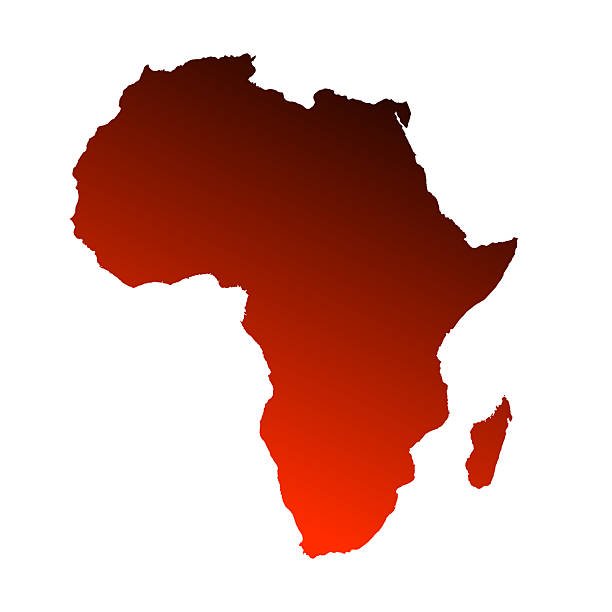
Sub-Saharan Africa constitutes a significant majority of the African continent, both geographically and demographically. Roughly 78% of Africa's landmass, encompassing 49 of its 54 recognized countries, falls within the region commonly defined as Sub-Saharan, distinguishing it from the North African countries bordering the Mediterranean Sea. This immense region is characterized by its vast geographical diversity, a rapidly growing and youthful population, rich cultural heritage, and dynamic economic landscapes.
Understanding the Geographic Extent of Sub-Saharan Africa
The term Sub-Saharan Africa primarily refers to the portion of the African continent that lies south of the Sahara Desert. This geographical demarcation is crucial, as the Sahara acts as a natural barrier, historically separating the North African Mediterranean cultures from the diverse cultures to its south. While often seen as a monolithic entity, Sub-Saharan Africa is incredibly diverse, stretching from the Atlantic Ocean in the west to the Indian Ocean in the east, and down to the southernmost tip of the continent.
Defining the Boundaries: North Africa vs. Sub-Saharan Africa
The distinction between North Africa and Sub-Saharan Africa is not merely geographical but also cultural, historical, and socio-economic. North Africa typically includes countries like Egypt, Libya, Tunisia, Algeria, and Morocco, which share strong cultural ties with the Middle East and often have a predominantly Arab and Berber population. These countries have a Mediterranean climate along their coasts and are heavily influenced by Islamic and Arabic traditions.
Conversely, Sub-Saharan Africa encompasses the remainder of the continent. The transition zone, known as the Sahel region, forms the southern border of the Sahara Desert, stretching across countries like Senegal, Mauritania, Mali, Niger, Chad, and Sudan. This zone is a crucial ecological and cultural bridge, experiencing desertification pressures but also serving as a historical trade route.
The Landmass: How Much of Africa is Sub-Saharan?
Africa is the second-largest continent in the world, with a total land area of approximately 30.37 million square kilometers (11.73 million square miles). Sub-Saharan Africa accounts for the lion's share of this vast expanse.
- Total African Landmass: ~30.37 million sq km
- Sub-Saharan African Landmass: Approximately 23.7 million sq km (around 78% of the continent)
To put this into perspective, Sub-Saharan Africa alone is larger than North America and almost twice the size of Europe. This enormous area features an incredible array of landscapes, from dense rainforests in the Congo Basin to vast savannas, towering mountains, and arid deserts. Major geographical features include the Great Rift Valley, the extensive Congo River network, the Niger River, Lake Victoria, and Kilimanjaro, Africa's highest peak.
The Countries of Sub-Saharan Africa
The United Nations geoscheme for Africa typically divides the continent into five regions: Northern Africa, Eastern Africa, Middle Africa, Southern Africa, and Western Africa. With the exception of Northern Africa, all other regions fall under the umbrella of Sub-Saharan Africa.
While the exact number can vary slightly based on political or regional definitions (especially concerning Sudan, which sometimes bridges both), the most commonly accepted count places 49 of Africa's 54 countries within Sub-Saharan Africa. The five countries typically excluded are Algeria, Egypt, Libya, Morocco, and Tunisia.
Regional Breakdown of Sub-Saharan Africa:
- Eastern Africa: Burundi, Comoros, Djibouti, Eritrea, Ethiopia, Kenya, Madagascar, Malawi, Mauritius, Mozambique, Rwanda, Seychelles, Somalia, South Sudan, Tanzania, Uganda, Zambia, Zimbabwe.
- Middle Africa (Central Africa): Angola, Cameroon, Central African Republic, Chad, Congo (Republic of the), Congo (Democratic Republic of the), Equatorial Guinea, Gabon, Sao Tome and Principe.
- Southern Africa: Botswana, Eswatini (formerly Swaziland), Lesotho, Namibia, South Africa.
- Western Africa: Benin, Burkina Faso, Cabo Verde, Côte d'Ivoire, Gambia, Ghana, Guinea, Guinea-Bissau, Liberia, Mali, Mauritania, Niger, Nigeria, Senegal, Sierra Leone, Togo.
Sudan is often included in Eastern Africa by UN definitions, thus falling under Sub-Saharan Africa, though culturally it shares characteristics with North Africa due to its historical ties and large Arab population.
Population Demographics: A Continent of Youth
Africa's total population is projected to be around 1.4 billion people. Of this, Sub-Saharan Africa is home to over 1.2 billion people, representing approximately 85-90% of the continent's total population. This makes it one of the most populous regions globally and one of the fastest-growing.
Key Demographic Characteristics:
- High Growth Rate: Sub-Saharan Africa has the highest population growth rate globally, expected to account for more than half of the world's population growth over the next few decades.
- Youthful Population: The region has the youngest population in the world, with a median age significantly lower than other continents. This presents both a demographic dividend (potential for large workforce) and significant challenges (job creation, education, healthcare).
- Urbanization: While still largely rural, Sub-Saharan Africa is experiencing rapid urbanization, with major cities like Lagos, Kinshasa, and Nairobi growing at an exponential pace.
- Ethno-linguistic Diversity: Home to thousands of distinct ethnic groups and languages, reflecting unparalleled cultural richness.
Economic Overview of Sub-Saharan Africa
The economies of Sub-Saharan Africa are incredibly diverse, ranging from resource-rich nations to those heavily reliant on agriculture or emerging service sectors. While the region faces significant development challenges, it also boasts some of the world's fastest-growing economies and immense potential.
Key Economic Features:
- Natural Resources: Many countries are rich in natural resources, including oil, gas, minerals (gold, diamonds, copper, cobalt), and agricultural land.
- Agriculture: A cornerstone of many economies, employing a large portion of the population, though often susceptible to climate variability.
- Emerging Markets: Countries like Nigeria, South Africa, Kenya, and Ethiopia are significant economic players with growing manufacturing and service sectors.
- Challenges: Despite growth, challenges persist, including poverty, income inequality, inadequate infrastructure, governance issues, and vulnerability to global commodity price fluctuations.
- Regional Integration: Economic blocs like the Economic Community of West African States (ECOWAS), the Southern African Development Community (SADC), and the East African Community (EAC) aim to foster regional trade and development.
Cultural and Linguistic Richness
The cultural tapestry of Sub-Saharan Africa is astonishingly vibrant and varied, a direct reflection of its vast geography and diverse populations. This diversity is evident in every aspect of life, from language and religion to art, music, cuisine, and social structures.
Aspects of Cultural Diversity:
- Languages: The region is a linguistic powerhouse, home to over 2,000 distinct languages, representing several major language families, including Niger-Congo, Nilo-Saharan, and Afro-Asiatic.
- Traditional Beliefs and Religions: Alongside Christianity and Islam, traditional African religions continue to play a vital role in many communities, shaping worldviews and practices.
- Art and Music: Sub-Saharan Africa is globally renowned for its rich artistic traditions, including sculpture, masks, textiles, and its diverse musical genres and rhythms, which have profoundly influenced global music.
- Cuisine: Foodways are equally varied, reflecting local produce and culinary traditions across different regions.
Challenges and Opportunities for Sub-Saharan Africa
While the question of how much of Africa is Sub-Saharan highlights its quantitative dominance, understanding the region also requires acknowledging its complex challenges and significant opportunities.
Key Challenges:
- Poverty and Inequality: Despite economic growth, poverty remains widespread, and income disparities are often stark.
- Climate Change: The region is highly vulnerable to the impacts of climate change, including droughts, floods, and desertification, which threaten food security and livelihoods.
- Conflict and Instability: While not universal, conflicts in some parts of the region displace populations and hinder development.
- Health Issues: Persistent challenges include high burdens of infectious diseases like HIV/AIDS, malaria, and tuberculosis, alongside emerging non-communicable diseases.
- Infrastructure Deficit: Lack of adequate roads, energy, and digital infrastructure often impedes economic development and access to services.
Significant Opportunities:
- Youthful Workforce: The large and growing youth population offers a potential demographic dividend if properly educated and employed.
- Natural Resources: Proper management of abundant natural resources can fuel sustainable development.
- Technological Adoption: Rapid adoption of mobile technology and digital innovation is transforming sectors from finance to agriculture.
- Investment and Trade: Increasing interest from global investors and growing intra-African trade present opportunities for economic diversification and growth.
- Regional Integration: Efforts like the African Continental Free Trade Area (AfCFTA) aim to create the world's largest free trade area, boosting economic prospects.
Conclusion
In conclusion, Sub-Saharan Africa represents the overwhelming majority of the African continent, both in terms of geographical expanse and population. Comprising 49 out of 54 African countries and approximately 78% of its landmass, it is a region defined by its immense scale, unparalleled diversity, and dynamic potential. Far from a monolithic entity, it is a mosaic of distinct cultures, varied landscapes, and diverse economies, all contributing to a vibrant and increasingly influential part of the global community. Understanding how much of Africa is Sub-Saharan is crucial for appreciating the continent's true scope, complexity, and future trajectory.
Enjoyed this read?
Share it with your friends and colleagues.