Does Africa Support Lgbtq

BSC Insights Admin
September 30, 2026
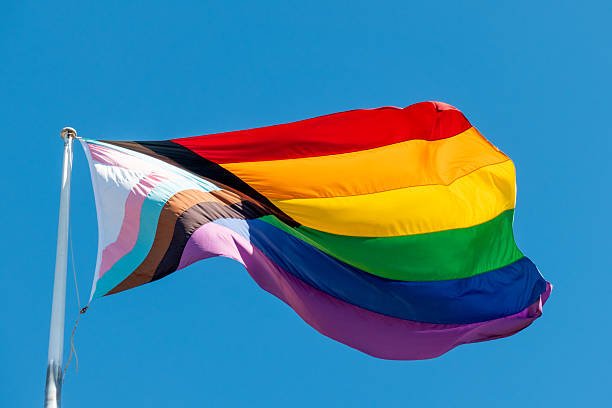
The question of whether Africa supports LGBTQ+ rights is complex and cannot be answered with a simple yes or no. Instead, it reflects a vast continent marked by profound diversity in legal frameworks, cultural norms, and societal acceptance regarding lesbian, gay, bisexual, transgender, and queer individuals. While some African nations have made strides towards legalizing same-sex relations and protecting LGBTQ+ individuals, many others maintain strict anti-homosexuality laws, often rooted in colonial-era statutes and conservative religious beliefs, leading to varied experiences for LGBTQ+ people across the continent.
The Complex Landscape of LGBTQ+ Rights Across Africa
Africa is home to 54 distinct nations, each with its own unique history, legal system, cultural heritage, and religious demographics. This inherent diversity means that the experience and legal standing of LGBTQ+ individuals in Africa vary dramatically from one country to another, making any blanket statement inaccurate and oversimplified. Understanding the nuances requires examining specific national contexts rather than a monolithic 'African' stance.
A Continent of Diversity in Views
Public opinion and governmental policies regarding homosexuality in Africa range widely. In some regions, there is a visible and growing movement for LGBTQ+ rights, while in others, societal stigma and legal persecution remain deeply entrenched. This spectrum reflects the ongoing interplay between traditional values, religious doctrines, colonial legacies, and modern human rights advocacy.
Legal Frameworks: A Spectrum of Acceptance and Criminalization
The legal status of same-sex relations in Africa is perhaps the clearest indicator of official support or opposition. Currently, over half of African countries criminalize consensual same-sex sexual acts. These laws often carry severe penalties, including lengthy prison sentences, hard labor, and in a few extremist cases, the death penalty.
- Countries with Legal Protection: South Africa stands out as the only African nation where the constitution explicitly prohibits discrimination based on sexual orientation. It was also the first African country to legalize same-sex marriage in 2006. Other countries like Angola, Botswana, Cape Verde, and Mozambique have decriminalized same-sex relations in recent years, signaling a shift towards greater tolerance.
- Countries with Criminalization: Many nations, particularly in East and West Africa, retain colonial-era laws that criminalize same-sex acts. Examples include Uganda, Nigeria, Ghana, Kenya, Tanzania, and Zambia. Penalties can range from fines to long prison terms.
- Countries with the Death Penalty: In some parts of Nigeria (under Sharia law in 12 northern states), Mauritania, and Somalia, same-sex relations can be punishable by death, though actual executions are rare.
- Countries with Unclear or Non-Existent Laws: A few countries have no explicit laws regarding same-sex relations, leading to legal ambiguity but often still strong social disapproval.
These legal frameworks significantly impact the daily lives and safety of LGBTQ+ Africans, dictating their ability to live openly, access services, and seek protection from discrimination.
Social Acceptance and Public Opinion
Beyond legal statutes, social acceptance plays a crucial role. In many African societies, prevailing cultural and religious norms often view homosexuality as taboo or 'un-African.' This perception contributes to widespread discrimination, ostracization, and violence against LGBTQ+ individuals.
Research, such as that by Afrobarometer, indicates that public opinion across many African countries tends to be largely unaccepting of homosexuality, although there are variations. Urban centers often exhibit slightly higher levels of tolerance compared to rural areas, and younger generations may hold more progressive views than older ones. However, the influence of powerful religious institutions, both Christian and Islamic, often reinforces conservative stances, making it challenging for LGBTQ+ rights movements in Africa to gain broad societal acceptance.
Factors Shaping LGBTQ+ Rights and Perceptions
Several intertwined factors contribute to the current state of LGBTQ+ support in Africa:
Colonial Legacy
A significant number of the anti-homosexuality laws currently enforced in Africa are not indigenous but were introduced by European colonial powers, particularly the British. Before colonization, some pre-colonial African societies exhibited diverse attitudes towards gender and sexuality, with evidence of various forms of same-sex relations or gender non-conformity existing without widespread criminalization. The legacy of these imposed colonial laws continues to shape legal frameworks and societal perceptions today.
Religious Influence
Both Christianity and Islam are dominant religions across Africa, and conservative interpretations of their sacred texts often condemn homosexuality. Religious leaders and institutions wield considerable influence in public discourse and policy-making, frequently opposing any move towards greater LGBTQ+ inclusion in Africa. This strong religious opposition is a primary driver of anti-LGBTQ+ sentiment and legislation.
Traditional Beliefs and Cultural Norms
Many traditional African cultures emphasize procreation, family lineage, and specific gender roles. Homosexuality is often perceived as a threat to these traditions and as 'un-African,' a narrative frequently used by political and religious leaders to justify discrimination. This notion often ignores the historical diversity of sexualities and gender expressions that may have existed in pre-colonial African societies.
Political Agendas and Scapegoating
In some countries, politicians exploit anti-LGBTQ+ sentiment to consolidate power, divert attention from other pressing issues, or appeal to conservative voter bases. LGBTQ+ individuals become convenient scapegoats, facing increased persecution during times of political instability or national elections. This instrumentalization of LGBTQ+ issues often fuels violence and discrimination.
External Influences
The role of external actors is also complex. Western nations and international human rights organizations often advocate for LGBTQ+ rights, sometimes tying aid to human rights conditions. While well-intentioned, these efforts can sometimes be framed by African governments as an imposition of Western values, inadvertently strengthening nationalist and anti-LGBTQ+ narratives. Conversely, some conservative evangelical groups from the West have also actively funded and promoted anti-LGBTQ+ legislation in Africa.
Stories of Hope and Resistance: LGBTQ+ Activism in Africa
Despite formidable challenges, vibrant LGBTQ+ activist movements are active across Africa, working tirelessly to advocate for rights, provide support, and challenge discrimination. These grassroots organizations and individuals demonstrate immense courage and resilience.
Grassroots Movements and Advocacy
Local activists are at the forefront, organizing pride events (even in hostile environments), running safe houses, providing legal aid, and conducting public awareness campaigns. They work to build solidarity, educate communities, and lobby governments for legal reform. Organizations like Sexual Minorities Uganda (SMUG), the Coalition of African Lesbians (CAL), and others are crucial in this ongoing struggle.
Legal Challenges and Victories
Activists have also pursued legal challenges, with some success. Beyond South Africa's landmark constitutional provisions, countries like Botswana (2019) and Angola (2021) have seen their high courts or legislatures decriminalize consensual same-sex sexual acts, often after persistent advocacy. These victories, though hard-won, provide hope and a blueprint for further change.
Visibility and Empowerment
Increasingly, LGBTQ+ Africans are finding platforms to share their stories, through art, literature, film, and digital media. This growing visibility helps to humanize LGBTQ+ experiences, challenge stereotypes, and foster greater understanding, slowly chipping away at entrenched prejudices.
Impact on LGBTQ+ Individuals
The lack of widespread LGBTQ+ support in Africa has severe ramifications for individuals:
- Discrimination and Violence: LGBTQ+ individuals face discrimination in housing, employment, healthcare, and education. They are also targets of physical violence, hate crimes, sexual assault, and corrective rape, often with impunity.
- Health Disparities: Stigma and discrimination create barriers to accessing essential healthcare services, including HIV/AIDS prevention and treatment, mental health support, and sexual health services. Fear of exposure often prevents individuals from seeking help.
- Mental Health Challenges: The constant threat of persecution, social ostracism, and internalized homophobia contribute to high rates of anxiety, depression, and suicide among LGBTQ+ individuals.
- Migration and Asylum: Many LGBTQ+ Africans are forced to flee their home countries to seek asylum in more tolerant nations, enduring perilous journeys and the trauma of displacement.
Country Spotlights: A Snapshot
South Africa: A Beacon of Rights
South Africa's constitution, adopted in 1996, was the first in the world to explicitly prohibit discrimination based on sexual orientation. This led to the legalization of same-sex marriage, adoption rights, and strong legal protections for LGBTQ+ citizens. While legal rights are robust, social acceptance still varies, and hate crimes against LGBTQ+ individuals, particularly Black lesbians, remain a concern.
Uganda: Stringent Anti-LGBTQ+ Laws
Uganda has some of the harshest anti-LGBTQ+ laws globally. The 2023 Anti-Homosexuality Act criminalized same-sex acts with severe penalties, including death for 'aggravated homosexuality,' and also targets those who 'promote' homosexuality. This legislation has drawn widespread international condemnation and created a climate of extreme fear and persecution for LGBTQ+ people in Uganda.
Nigeria: Divided Legal Landscape
Nigeria's legal system is complex, with both secular federal laws and Sharia law in the northern states. The 2014 Same-Sex Marriage (Prohibition) Act criminalizes not only same-sex marriage but also gay organizations and public displays of same-sex affection, with penalties up to 14 years in prison. In the northern Sharia states, same-sex relations can be punishable by flogging, imprisonment, or death by stoning, though executions are rare.
Angola and Botswana: Steps Towards Decriminalization
In contrast, Angola decriminalized same-sex sexual activity in 2021, removing an outdated law that considered 'vices against nature' illegal. Botswana's High Court decriminalized consensual same-sex relations in 2019, ruling that colonial-era laws were unconstitutional and discriminatory. These decisions represent significant progress and offer hope for similar reforms elsewhere.
Moving Forward: The Future of LGBTQ+ Rights in Africa
The journey towards greater LGBTQ+ support and acceptance in Africa is ongoing and multifaceted. It requires continued advocacy from within African societies, fostering dialogue, education, and challenging deeply ingrained prejudices. While external pressure can sometimes be counterproductive, international human rights frameworks and solidarity remain important in highlighting abuses and supporting local efforts.
Ultimately, the future of LGBTQ+ rights in Africa will be shaped by the courage of activists, the evolution of legal systems, and the slow but vital shifts in public opinion. It is a testament to the resilience of human spirit that, despite immense adversity, movements for equality continue to grow and demand recognition.
Conclusion
In conclusion, the question of whether Africa supports LGBTQ+ rights reveals a continent of stark contrasts. There is no single African stance; rather, a complex tapestry of legal protections in some nations, severe criminalization in others, and varied levels of social acceptance across communities. While significant challenges persist, fueled by colonial legacies, religious doctrines, and political opportunism, vibrant local activism and incremental legal victories demonstrate a growing momentum for change. The struggle for LGBTQ+ equality in Africa is a testament to resilience, diversity, and the universal aspiration for human dignity and rights.
Enjoyed this read?
Share it with your friends and colleagues.