Did Africa Survive 2012

BSC Insights Admin
October 07, 2026
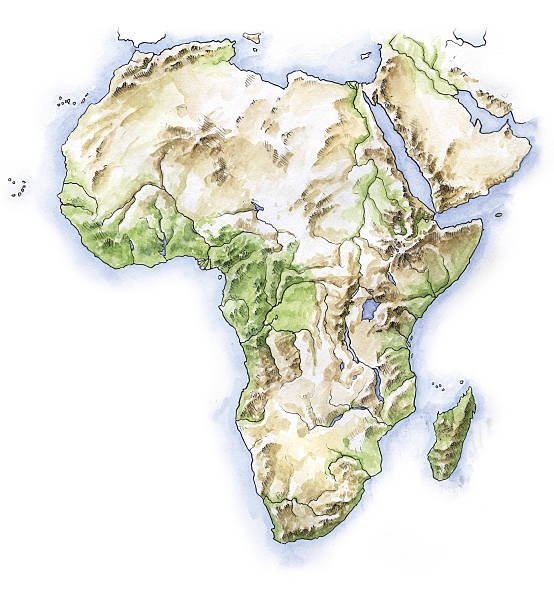
When the year 2012 arrived, it brought with it a wave of global fascination and, for some, apprehension, fueled by ancient prophecies and apocalyptic theories. However, for the continent of Africa, 2012 was not an end but a continuation of its complex, dynamic, and often surprising journey of growth and transformation. Africa not only survived 2012 but largely maintained its impressive trajectory of economic expansion and social development, confounding doomsday predictions and solidifying its position as a region of significant global importance. The continent’s inherent resilience, diverse economies, and burgeoning human capital allowed it to navigate the year as a period of ongoing evolution rather than existential threat.
The notion of 'survival' in the context of Africa and 2012 is somewhat ironic, given that the continent was already on a path of significant advancement, often dubbed 'Africa Rising.' This period saw sustained economic growth, increased foreign investment, and notable improvements in human development indicators across many nations. The global narrative of 2012, often centered on interpretations of the Mayan calendar, largely bypassed the practical realities and proactive development agendas unfolding across Africa. Instead, African nations continued to tackle real-world challenges while simultaneously seizing new opportunities, demonstrating a profound capacity for adaptation and progress that far outstripped any mythical concerns.
Debunking the 2012 Myth: Africa's Uninterrupted Trajectory
The global buzz around 2012 was largely disconnected from the realities on the ground in Africa. While parts of the world contemplated the end of an era, African countries were focused on pressing issues like infrastructure development, economic diversification, and improving public services. The continent, far from facing an apocalypse, was in the midst of a remarkable economic boom. The 'Africa Rising' narrative, which gained significant traction in the early 2010s, highlighted a period of sustained GDP growth rates that often outpaced global averages. This growth was driven by a combination of factors, including rising commodity prices, improved macroeconomic management, increased foreign direct investment, and a growing consumer class.
For instance, countries like Ethiopia, Ghana, and Rwanda were consistently among the fastest-growing economies globally, a trend that continued through 2012 and beyond. These nations were not merely surviving; they were actively building more robust economies and societies. The focus was on tangible progress, such as expanding access to education, improving healthcare systems, and fostering technological innovation. The very concept of 'surviving' 2012, in an African context, underscores a misaligned perception of the continent's agency and its capacity for self-determination and advancement, irrespective of external, speculative narratives.
Economic Resilience and Growth Post-2012
The period immediately following 2012 saw Africa solidify its economic gains. The continent's collective GDP continued to expand, attracting significant attention from international investors. This resilience was not uniform across all countries, but the overall trend was positive.
Key Drivers of Africa's Economic Expansion:
- Commodity Boom: High global demand for oil, minerals, and other raw materials boosted export revenues for resource-rich nations.
- Diversification Efforts: Many countries began strategic shifts away from over-reliance on single commodities, investing in manufacturing, services, and agriculture.
- Increased Foreign Direct Investment (FDI): FDI inflows continued to rise, signaling growing confidence in Africa's long-term economic prospects.
- Growing Consumer Markets: A rapidly expanding middle class and youth population created robust domestic demand for goods and services.
- Improved Governance: Many governments implemented economic reforms, enhanced fiscal management, and improved the business environment, though challenges persisted.
For example, in 2012, Nigeria, already Africa's most populous nation, saw its economy continue to grow, driven by its oil sector and an expanding services industry. East African economies, particularly Kenya and Ethiopia, demonstrated strong growth powered by infrastructure projects, agriculture, and burgeoning tech sectors. South Africa, as the continent's most industrialized economy, navigated global economic headwinds while continuing to play a crucial role in regional economic integration. These examples highlight a continent not in peril, but actively engaged in shaping its economic future.
Political Stability and Governance: A Mixed but Progressing Landscape
While economic progress was undeniable, the political landscape across Africa in 2012 and the years immediately after was a mix of promising democratic transitions and ongoing challenges. The concept of political stability Africa 2012 is nuanced, reflecting the continent's vast diversity.
Key Political Trends:
- Democratic Elections: Many African nations held peaceful, multi-party elections, demonstrating a commitment to democratic processes.
- Regional Integration: Organizations like the African Union (AU) and regional economic blocs (ECOWAS, SADC, EAC) continued to strengthen, fostering cooperation and peace.
- Conflict Resolution: Efforts to resolve protracted conflicts in various regions saw mixed success, with some areas achieving greater stability while others experienced renewed unrest.
- Governance Reforms: There was a continued push for anti-corruption measures, improved transparency, and stronger institutions, albeit with varying degrees of implementation and success.
The Arab Spring, which began in late 2010, had ripple effects, particularly in North Africa. However, sub-Saharan Africa, for the most part, maintained its existing political trajectories. Countries like Senegal successfully transitioned power peacefully, reinforcing democratic norms. While challenges such as political instability in Mali and the lingering effects of conflicts in other areas were present, they represented localized issues rather than a continent-wide systemic collapse. Africa's political maturity continued to evolve, with an increasing emphasis on constitutionalism and regional conflict mediation.
Social Progress and Human Development Post-2012
Beyond economics and politics, Africa also demonstrated considerable social progress around 2012, challenging outdated perceptions and highlighting improvements in the quality of life for millions. Social progress Africa encompasses advancements in health, education, poverty reduction, and access to basic services.
Table: Selected Social Indicators in Africa (Around 2012 and Beyond)
| Indicator | Trend (2010-2015) | Significance |
|---|---|---|
| Life Expectancy | Generally increasing | Improvements in healthcare, nutrition, and disease control. |
| Primary School Enrollment | Consistently high, nearing universal in many areas | Significant investment in education, reducing illiteracy. |
| Infant Mortality Rate | Steady decline | Better maternal and child health programs, vaccination campaigns. |
| Access to Clean Water | Increasing slowly | Ongoing efforts to expand infrastructure and sanitation. |
| Poverty Reduction | Moderate reduction, especially in fast-growing economies | Economic growth lifting millions out of extreme poverty. |
These trends demonstrate tangible improvements in human well-being. For example, significant strides were made in combating HIV/AIDS, malaria, and other infectious diseases, leading to increased life expectancies in many countries. Education initiatives, particularly for primary school enrollment, continued to expand, creating a more educated workforce for the future. The commitment to social upliftment and poverty alleviation remained a central theme for many African governments and international partners, contributing to Africa's resilience 2012.
Technological Advancement and Innovation: Africa's Digital Leap
Perhaps one of the most compelling narratives demonstrating Africa's dynamic nature around 2012 was its rapid adoption of technology, particularly mobile technology. This period marked a significant acceleration in digital transformation in Africa, profoundly impacting economic and social life.
Key Areas of Technological Growth:
- Mobile Penetration: Rapid increase in mobile phone ownership, bypassing traditional fixed-line infrastructure.
- Mobile Money (Fintech): Services like M-Pesa in Kenya revolutionized financial inclusion, allowing millions to access banking services via their phones. This was a critical innovation well underway by 2012.
- Internet Connectivity: Expansion of internet access, though often via mobile networks, opening up new avenues for communication, commerce, and education.
- E-commerce and Startups: Emergence of local e-commerce platforms and a burgeoning startup ecosystem, especially in tech hubs like Lagos, Nairobi, and Cape Town.
The innovative spirit of African youth was particularly evident in the tech sector. Young entrepreneurs harnessed mobile technology to create solutions for local challenges, from agricultural information services to online education platforms. This embrace of digital solutions not only fostered economic growth but also enhanced social connectivity and access to information, proving that Africa was not merely surviving but actively innovating and leapfrogging traditional development stages.
Challenges and Opportunities Beyond 2012
While Africa undeniably survived and progressed in 2012, it is crucial to acknowledge that the continent continues to face significant challenges. These challenges are not unique to Africa but are often amplified by historical contexts and ongoing global dynamics.
Persistent Challenges:
- Infrastructure Gap: Despite progress, significant investment is still needed in roads, energy, and digital infrastructure.
- Income Inequality: Economic growth has not always translated into equitable distribution of wealth, leading to persistent disparities.
- Climate Change: African nations are particularly vulnerable to the impacts of climate change, including droughts, floods, and desertification.
- Governance Issues: Corruption, weak institutions, and political instability remain hurdles in some regions.
- Youth Unemployment: A rapidly growing youth population requires significant job creation to avoid social unrest.
However, these challenges are often accompanied by immense opportunities. The continent's youthful population represents a significant demographic dividend, offering a vast workforce and a vibrant consumer market. Increased regional integration, as championed by initiatives like the African Continental Free Trade Area (AfCFTA), promises to unlock immense economic potential. Furthermore, Africa's vast natural resources, if managed sustainably, can continue to fuel development. The global pivot towards renewable energy also positions many African nations with abundant solar, wind, and geothermal resources as key players in the green economy of the future. The narrative of Africa's future is one of ongoing potential and strategic importance.
Conclusion: Africa's Enduring Strength Beyond 2012
In retrospect, the question, 'Did Africa survive 2012?' is unequivocally answered with a resounding yes, but the more pertinent observation is how the continent continued its upward trajectory, defying speculative global anxieties. 2012 was not a year of peril for Africa, but rather another chapter in its enduring story of resilience, growth, and transformation. The continent maintained its economic momentum, made tangible strides in social development, and continued its embrace of technological innovation. While significant challenges persist, Africa's diverse nations demonstrated their capacity to navigate complex global and local dynamics, consistently seeking opportunities for progress.
The true legacy of 2012 for Africa is not one of mere survival, but a testament to its inherent strength, the dynamism of its people, and the strategic importance it holds on the global stage. From burgeoning economies to advancements in healthcare and education, and a vibrant youth-driven tech scene, Africa affirmed its path as a continent actively shaping its own destiny. The 'myth of 2012 apocalypse Africa' stands firmly debunked by the continent's continued, multifaceted development and its unwavering pursuit of a brighter future.
Enjoyed this read?
Share it with your friends and colleagues.