Does Africa Have 3Rd World Countries

BSC Insights Admin
October 26, 2026
Does Africa Have 3Rd World Countries? Unpacking the Outdated Terminology
The question, "Does Africa have 3rd World countries?", often arises from a historical, albeit now outdated, classification system. The simple answer is that the term "Third World country" is largely considered obsolete and inappropriate by development experts and international organizations today. While many nations across the African continent face significant developmental challenges, often categorized as "developing countries in Africa" or "Least Developed Countries (LDCs)", classifying them under the Cold War-era "Third World" label fails to capture the continent's immense diversity, progress, and complex realities.
Instead of focusing on this problematic terminology, it is more accurate and respectful to discuss the specific economic challenges in Africa, the strides made in African development, and the ongoing efforts to foster sustainable development goals Africa-wide. This article will delve into the origins of the term, explain why it is no longer relevant, and provide a nuanced look at the contemporary African economic landscape, highlighting both persistent obstacles and remarkable advancements.
Understanding the "Third World" Term: Origins and Evolution
The concept of the "Third World" emerged during the Cold War era (roughly 1947–1991) to categorize countries that were not aligned with either the capitalist First World (led by the United States and its allies) or the communist Second World (led by the Soviet Union and its allies). These non-aligned nations, many of which were newly independent post-colonial states in Africa, Asia, and Latin America, shared common characteristics:
- Political Non-Alignment: They sought neutrality in the superpower rivalry.
- Economic Vulnerability: Many had recently gained independence and were grappling with the legacies of colonialism, including weak economies and limited infrastructure.
- Socio-Economic Challenges: High rates of poverty, low levels of industrialization, and significant health and education disparities were common.
Over time, the term "Third World" evolved beyond its original political meaning to become synonymous with "poor" or "underdeveloped" nations, carrying negative connotations and oversimplifying the vast differences among these countries. With the end of the Cold War and the shifting global political and economic landscape, the term lost its foundational relevance. It is now widely rejected by academics, policymakers, and international bodies for several reasons:
- Outdated Political Context: The First, Second, and Third World political divisions no longer exist.
- Homogenizing Diverse Nations: It inaccurately groups together countries with vastly different cultures, economies, political systems, and stages of development.
- Negative Connotations: It can be perceived as pejorative and demeaning, implying inferiority.
More appropriate and commonly used terms today include "developing countries," "emerging economies," "low-income countries," "middle-income countries," or collectively, the "Global South." For nations facing the most severe structural impediments to development, the United Nations uses the specific category of "Least Developed Countries (LDCs)."
Africa's Diverse Economic Landscape: Beyond a Single Narrative
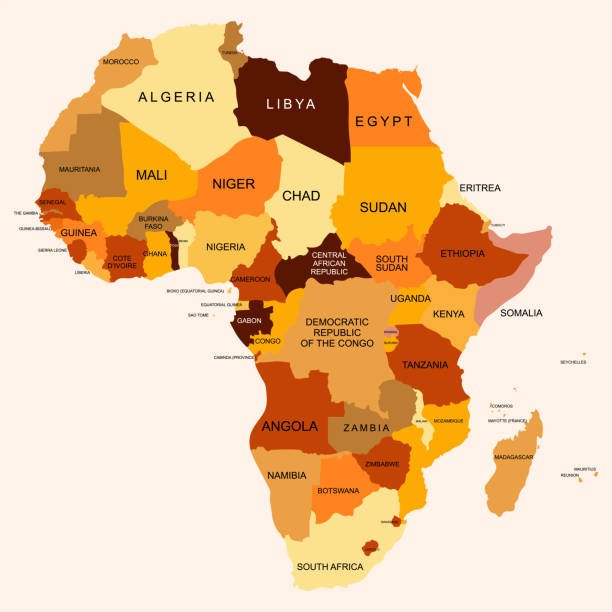
To accurately address the question, it is crucial to recognize that Africa is not a monolithic entity. It is a continent of 54 diverse countries, each with its own unique history, resources, governance structures, and developmental trajectory. Lumping them all under a single, outdated label ignores this complexity.
Countries Showing Significant Economic Growth and Diversification
Many African nations have demonstrated impressive Africa's economic growth and significant progress in recent decades. These countries are often characterized by:
- Robust GDP Growth: Nations like Rwanda, Ghana, Kenya, Ethiopia (pre-conflict), Côte d'Ivoire, and Tanzania have consistently recorded strong economic growth rates.
- Technological Innovation: Kenya, for instance, is a global leader in mobile money (M-Pesa), while Nigeria's tech ecosystem is booming.
- Infrastructure Development: Investments in roads, railways, ports, and energy are transforming landscapes in many regions.
- Diversifying African Economies: Moving beyond reliance on raw materials towards manufacturing, services, and digital economies.
For example, Rwanda has made remarkable strides in governance, ease of doing business, and healthcare. Mauritius boasts a high-income economy with strong tourism and financial services sectors. South Africa, Nigeria, and Egypt are often considered regional powerhouses, classified as emerging markets rather than "Third World."
Nations Facing Acute Development Challenges
Conversely, some African nations continue to grapple with profound development challenges, and these are often the countries that might be inaccurately associated with the "Third World" label. These are typically the Least Developed Countries (LDCs) Africa classification:
- Extreme Poverty: Countries like South Sudan, Central African Republic, and Burundi face very high rates of extreme poverty.
- Conflict and Instability: Ongoing conflicts, political instability, and humanitarian crises severely hinder development in regions like the Sahel, parts of the Horn of Africa, and the Democratic Republic of Congo.
- Weak Institutions: Challenges with governance, rule of law, and corruption impede progress.
- Limited Infrastructure: Lack of basic services like clean water, electricity, and paved roads is prevalent.
These countries require targeted international assistance and support to overcome deeply entrenched issues, but even here, there are pockets of resilience and efforts towards rebuilding and progress.
Key Development Indicators for African Nations
Rather than using outdated labels, experts rely on a range of development indicators Africa to assess a nation's progress and challenges. These metrics provide a more accurate and comprehensive picture:
Human Development Index (HDI)
Developed by the United Nations Development Programme (UNDP), the Human Development Index Africa measures a country's average achievements in three basic dimensions of human development:
- Life Expectancy at Birth: Reflecting health and longevity.
- Education: Mean years of schooling and expected years of schooling.
- Gross National Income (GNI) per Capita: Indicating living standards.
Countries are classified into very high, high, medium, and low human development. While many African nations fall into the low and medium HDI categories, there is significant variation. For instance, Mauritius and Seychelles have high HDI rankings, while countries like Niger and the Central African Republic have low HDI scores.
Economic Indicators: GDP, GNI, and Poverty Rates
- Gross Domestic Product (GDP) and Gross National Income (GNI) per capita: These figures provide insight into the economic output and average income of a country. While some African nations have very low per capita incomes, others, particularly those with significant natural resources or diversified economies, have considerably higher figures.
- Poverty Rates: The percentage of the population living below the international poverty line ($2.15 a day in 2017 PPP). While poverty in Africa remains a significant challenge, especially in Sub-Saharan Africa, many countries have made progress in reducing extreme poverty over the last two decades.
- Economic Diversification: A key indicator of sustainable development, showing a move away from reliance on a single commodity (e.g., oil, minerals) towards manufacturing, services, and technology.
Social and Infrastructure Development
- Access to Healthcare and Education: Metrics like child mortality rates, maternal mortality rates, primary school completion rates, and literacy rates are critical in assessing social progress. Significant investments have been made across Africa in these sectors, leading to improved outcomes, though disparities persist.
- Infrastructure Quality: Access to clean water, sanitation, electricity, internet, and transportation networks are fundamental for economic and social development. Many African development initiatives are focused on closing these infrastructure gaps.
Challenges Hindering Development in Parts of Africa
Despite progress, several systemic challenges to development in Africa continue to affect many nations, contributing to the perception that they are "underdeveloped."
- Poverty and Inequality: Deep-seated poverty, often exacerbated by high levels of income inequality, limits opportunities and fuels social unrest.
- Conflict and Political Instability: Ongoing conflicts, coups, and civil strife divert resources from development, displace populations, and destroy infrastructure.
- Weak Governance and Corruption: Ineffective institutions, lack of transparency, and corruption hinder economic growth and undermine public trust.
- Climate Change Vulnerability: Many African countries are highly vulnerable to the impacts of climate change, including droughts, floods, and desertification, which threaten livelihoods and food security.
- Disease Burden: While progress has been made, diseases like malaria, tuberculosis, and HIV/AIDS continue to strain healthcare systems and reduce productivity.
- Colonial Legacy: The long-term impacts of colonialism, including arbitrary borders, economic exploitation, and weak institutional structures, continue to pose challenges for post-colonial Africa.
- Debt Burdens: High levels of external debt can constrain government spending on essential services and development projects.
Progress and Opportunities: The New Narrative of Africa
The narrative of Africa is increasingly shifting from one of despair to one of opportunity and innovation. The continent is experiencing significant positive trends:
- Robust Economic Growth: Several African economies are among the fastest-growing globally, driven by increased foreign direct investment, rising domestic consumption, and improved macroeconomic management.
- Technological Leapfrogging: Africa is at the forefront of mobile-led innovation, with widespread adoption of mobile banking, e-commerce, and digital services. This is fostering new industries and creating jobs.
- Demographic Dividend: With the youngest population in the world, Africa possesses immense human capital potential. Investments in education, health, and skill development are crucial to harness this "demographic dividend."
- Regional Integration: The African Continental Free Trade Area (AfCFTA) is a landmark initiative aimed at creating a single continental market for goods and services, fostering intra-African trade, and boosting industrialization and economic integration.
- Rising Entrepreneurship: A vibrant entrepreneurial ecosystem is emerging, with young Africans creating innovative solutions to local challenges, from agritech to renewable energy.
- Focus on Sustainable Development Goals (SDGs): African nations are actively working towards achieving the SDGs, demonstrating commitment to addressing poverty, hunger, health, education, gender equality, and climate action.
This positive trajectory underscores the importance of focusing on specific country contexts and acknowledging the dynamism and resilience of African societies.
Moving Beyond Outdated Terminology for a Nuanced Understanding
To truly understand the continent, it is imperative to move beyond the simplistic and demeaning label of "Third World countries." This term not only misrepresents the political realities of the past but also fails to capture the intricate tapestry of development that exists across Africa today.
Instead, we should embrace a more nuanced approach, recognizing the spectrum of development stages, the unique challenges each nation faces, and the remarkable strides many are making. Engaging with terms like "developing countries," "emerging markets," and understanding concepts such as the Human Development Index or the UN's Least Developed Countries list provides a far more accurate and respectful framework for discussion.
The future of African development is being shaped by its own people, driven by innovation, regional cooperation, and a strong desire for self-determination and prosperity. Focusing on these realities allows for more constructive dialogue and effective partnerships to support sustainable progress.
Conclusion
In conclusion, the question "Does Africa have 3rd World countries?" is based on an antiquated and inappropriate classification system. While many African nations are still grappling with the complexities of development and face significant socio-economic challenges, labeling them as "Third World" is reductive and ignores the continent's incredible diversity, potential, and ongoing progress. It is more accurate to describe them as "developing countries in Africa" or, in specific cases, as "Least Developed Countries," based on internationally recognized criteria. Africa is a continent of immense contrasts, where robust Africa's economic growth, technological innovation, and strong commitments to sustainable development goals Africa coexist with persistent issues of poverty, conflict, and governance. A respectful and informed understanding requires moving beyond outdated labels and appreciating the unique journeys of each of Africa's 54 nations.
Enjoyed this read?
Share it with your friends and colleagues.