Does Africa Experience Tornadoes

BSC Insights Admin
October 07, 2026
Does Africa Experience Tornadoes? Understanding a Continent's Stormy Side
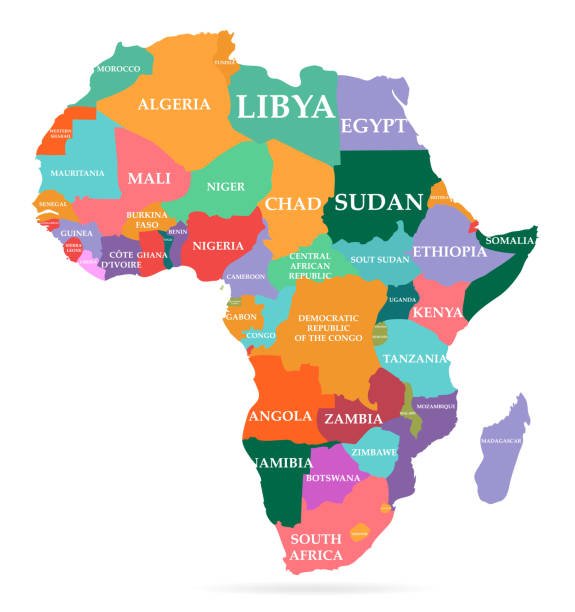
Yes, Africa does experience tornadoes, though their frequency and intensity vary significantly across the continent compared to regions like the central United States. While not as widely publicized or as common as in North America, these powerful rotating columns of air do occur, particularly in certain susceptible regions, with South Africa often identified as a primary hotspot for tornado activity.
Understanding the occurrence of tornadoes in Africa requires a look into the continent's diverse climatology, atmospheric conditions, and geographical features that can give rise to the severe thunderstorms capable of producing these phenomena. This article delves into where and why tornadoes form in Africa, their impact, and the broader context of extreme weather on the continent.
Understanding Tornadoes: A Global Perspective
Before examining Africa's specific tornado landscape, it is essential to grasp the fundamental nature of these intense weather events and their global distribution.
What is a Tornado?
A tornado is a rapidly rotating column of air that is in contact with both the surface of the Earth and a cumulonimbus cloud or, in rare cases, the base of a cumulus cloud. They are often referred to as 'twisters' or 'cyclones,' though the latter term is more accurately used for tropical cyclones (hurricanes/typhoons). Tornadoes form from severe thunderstorms known as supercells, which possess a deep, persistent rotating updraft called a mesocyclone.
The conditions necessary for tornado formation typically include a combination of warm, moist air near the surface, cooler, dry air aloft, and significant wind shear (a change in wind speed and/or direction with height). This atmospheric instability, coupled with strong updrafts, can create the rotational forces needed for a tornado to develop.
Global Tornado Activity
Globally, tornadoes are most common in the United States, particularly in the region known as 'Tornado Alley' and 'Dixie Alley,' which frequently experiences the perfect storm of atmospheric conditions. However, tornadoes occur on every continent except Antarctica. Other significant regions include parts of Argentina, Brazil, Paraguay, northern India, Bangladesh, Australia, and various parts of Europe. While Africa is not as prominent on the global tornado map as the US, the phenomenon is a real and impactful part of its meteorological landscape.
Tornado Activity Across the African Continent
The distribution of tornadoes in Africa is far from uniform, with certain regions experiencing these events with greater regularity and intensity than others.
South Africa: The African Tornado Hotspot
South Africa is unequivocally the most tornado-prone country on the African continent. This is due to a unique convergence of atmospheric and geographical factors. The interior plateau of South Africa, particularly the Free State, Gauteng, KwaZulu-Natal, and Mpumalanga provinces, frequently experiences severe thunderstorms during the summer months (October to March).
The interaction of moist, unstable air masses originating from the Indian Ocean with drier, cooler air from the Atlantic Ocean and the high-altitude topography of the Highveld creates an ideal environment for the development of supercell thunderstorms. These storms often lead to significant hail, damaging winds, and, occasionally, tornadoes. Historical data indicates that South Africa records an average of several significant tornadoes each year, though many occur in rural areas and may not receive widespread media attention.
Notable tornado events in South Africa include the 1999 Mount Ayliff tornado, which tragically killed 25 people and injured hundreds, and the 2011 Duduza and Ficksburg tornadoes, which caused substantial damage and fatalities. More recently, areas like Bronkhorstspruit, Umzinto, and Pietermaritzburg have also experienced destructive tornado outbreaks, underscoring the ongoing threat.
Madagascar and Other Coastal Regions
Madagascar, an island nation off Africa's southeastern coast, also experiences tornadoes, particularly in relation to tropical cyclones. When tropical cyclones make landfall or pass nearby, the frictional effects and interaction with land can generate significant wind shear and instability, leading to the formation of smaller, often weaker, tornadoes (sometimes referred to as mini-tornades or waterspouts that move inland). These events, while typically less intense than supercell-driven tornadoes, can still cause localized damage and pose a threat to coastal communities.
Other coastal regions along the southeastern and eastern parts of Africa, influenced by the warm waters of the Indian Ocean and seasonal weather patterns, can also be susceptible to tornado formation, albeit less frequently and generally less intensely than in South Africa.
East Africa and the Great Lakes Region
The Great Lakes region of East Africa, including countries like Uganda, Kenya, and Tanzania, experiences significant convective activity due to topography and the presence of large water bodies like Lake Victoria. While classical supercell tornadoes are rare, waterspouts (tornadoes over water) are relatively common over Lake Victoria. These can occasionally move inland, causing localized damage. The complex terrain and atmospheric dynamics in this region can foster strong thunderstorms, but the specific conditions for persistent, strong tornadoes are less frequently met compared to South Africa.
West and North Africa: Less Frequent, But Not Immune
In West and North Africa, tornadoes are considerably rarer. The prevailing desert and semi-arid climates in much of North Africa do not typically support the sustained atmospheric moisture and instability required for tornado formation. However, coastal areas, particularly along the Mediterranean or Atlantic coasts (e.g., Morocco, Algeria), can occasionally experience isolated tornado events when specific meteorological conditions align, often in conjunction with stronger frontal systems moving across the region. These occurrences are generally localized and less predictable.
West Africa, particularly during the monsoon season, experiences intense thunderstorms, but the atmospheric setup typically favors squall lines and derecho-like events (widespread damaging straight-line winds) rather than classic rotating supercells that produce tornadoes. When tornadoes do occur, they are often weaker and short-lived.
Central Africa's Unique Climate
Central Africa, characterized by its equatorial climate and extensive rainforests, experiences consistent rainfall and high humidity. While thunderstorms are a daily occurrence, the thermal profiles and wind shear patterns often do not support the development of strong, long-lived supercells capable of producing significant tornadoes. The dynamics tend to favor heavy rainfall and localized downbursts rather than rotating storms.
Factors Contributing to Tornado Formation in Africa
The formation of tornadoes in Africa is a complex interplay of several meteorological and geographical factors:
Atmospheric Instability and Wind Shear
- Moisture Advection: The advection of warm, moist air from the Indian Ocean, particularly during the austral summer, is crucial for fueling thunderstorms over southern Africa.
- Lapse Rates: Steep lapse rates (temperature decreasing rapidly with height) create an unstable atmosphere, allowing air parcels to rise quickly and form powerful updrafts.
- Wind Shear: Significant changes in wind speed and/or direction with altitude (wind shear) are vital for initiating and sustaining the rotation within a thunderstorm, leading to a mesocyclone and potential tornado genesis. The presence of low-level jet streams in certain regions of South Africa enhances this shear.
Topographical Influences
Africa's diverse topography plays a role. The high interior plateau of South Africa, for instance, can enhance atmospheric lifting and provide a favorable environment for storm development. The Great Escarpment, which separates the coastal plains from the interior plateau, can also influence air mass interactions and storm intensity. In contrast, flat, open plains can allow storms to organize and persist for longer durations.
Interaction of Air Masses
The convergence of different air masses is a primary driver of severe weather. In South Africa, the meeting of warm, moist air from the east (Indian Ocean) with cooler, drier air from the west (Atlantic Ocean) or continental interior creates fronts and boundaries that act as triggers for severe thunderstorm development. These frontal zones are often where the atmospheric ingredients for tornadoes come together most effectively.
Role of Tropical Cyclones
For regions like Madagascar and Mozambique, tropical cyclones are significant drivers of tornado activity. As these powerful low-pressure systems make landfall, the rapid change in surface friction, coupled with the existing rotational motion of the cyclone, can create localized areas of intense wind shear and instability, spawning peripheral tornadoes. These tornadoes are often short-lived but can be quite destructive.
The Impact of African Tornadoes
Despite being less frequent than in other parts of the world, tornadoes in Africa can have devastating consequences due to several factors.
Damage to Infrastructure and Agriculture
African tornadoes, even moderate ones, can cause significant damage. Rural communities, often characterized by less robust construction, are particularly vulnerable. Homes built with lighter materials can be completely destroyed. Agricultural areas suffer immense losses, as crops can be flattened, and livestock killed, leading to food insecurity and economic hardship for affected populations. Essential infrastructure such as power lines, roads, and communication networks can also be severely impacted, hindering recovery efforts.
Human Toll and Displacement
The human cost of tornadoes in Africa can be high. Fatalities and serious injuries are a tragic consequence, particularly in densely populated informal settlements or rural areas where shelter options are limited. The destruction of homes forces thousands into temporary shelters, leading to displacement and exacerbating existing social and economic vulnerabilities. Access to immediate medical care and emergency services can also be challenging in remote areas.
Challenges in Disaster Preparedness
One of the most significant challenges is the lack of comprehensive warning systems and robust disaster preparedness infrastructure in many African countries. Unlike regions with dedicated radar networks and public alert systems, many communities receive little to no advanced warning of an approaching tornado. This lack of preparedness means that people have less time to seek safe shelter, increasing their risk. Limited financial resources, coupled with the vastness and varied development levels across the continent, make the implementation of widespread, sophisticated meteorological infrastructure difficult.
Climate Change and Future Tornado Trends in Africa
The nexus between climate change and extreme weather events, including tornadoes, is a subject of ongoing scientific research globally. For Africa, this relationship is particularly critical, given the continent's high vulnerability to climate impacts.
Potential for Increased Severity or Frequency
While directly linking individual tornado events to climate change is complex, scientific models suggest that a warming planet could lead to more frequent or intense severe thunderstorms. Warmer oceans provide more moisture to the atmosphere, and altered atmospheric circulation patterns could enhance the conditions favorable for severe weather. Some projections indicate that parts of Africa could experience increased atmospheric instability, a key ingredient for tornado formation. However, specific projections for tornado frequency and intensity in Africa remain uncertain due to the complex nature of these events and regional variations.
Data Gaps and Research Needs
One of the major hurdles in understanding future tornado trends in Africa is the significant data gap. Historically, meteorological observation networks in many parts of Africa have been sparse compared to other continents. This makes it challenging to establish robust baselines for tornado frequency and intensity, and thus, to accurately detect long-term trends or attribute changes to climate change. More localized research, improved monitoring systems, and regional climate modeling are crucial for better predicting and preparing for future tornado risks across Africa.
Safety and Preparedness for Tornadoes in Africa
Given the reality of tornado occurrences, preparedness is paramount, especially for communities in vulnerable regions.
Before a Tornado
- Stay Informed: Pay attention to local weather forecasts and warnings during severe thunderstorm seasons.
- Identify Safe Shelter: Know the safest place in your home or community. This is typically an interior room on the lowest floor, away from windows. If a cellar or underground shelter is available, it is the safest option.
- Emergency Kit: Prepare an emergency kit with essential supplies like water, non-perishable food, a first-aid kit, a battery-powered radio, and flashlights.
- Family Plan: Develop a family emergency plan, including meeting points and communication strategies.
During a Tornado
- Seek Immediate Shelter: If a tornado warning is issued or you see a tornado, seek shelter immediately.
- Go to the Lowest Level: Move to an interior room on the lowest floor of a sturdy building. Stay away from windows and doors.
- Protect Your Head: Crouch down and cover your head with your arms or a helmet.
- Outside: If caught outdoors with no immediate shelter, lie in a ditch or low-lying area and cover your head, protecting yourself from flying debris. Do not seek shelter under bridges or overpasses.
After a Tornado
- Stay Safe: Be cautious of downed power lines, damaged buildings, and debris.
- Listen for Updates: Use a battery-powered radio to get official information and instructions.
- Report Damage: Report injuries and significant damage to emergency services.
- Help Others: If safe to do so, help those around you, but prioritize your own safety.
Conclusion
In conclusion, the question of whether Africa experiences tornadoes is unequivocally answered with a yes. While not on the scale or frequency seen in certain other continents, these powerful atmospheric events are a significant weather hazard, particularly in South Africa, and to a lesser extent, in other coastal and high-convection regions. The interplay of unique meteorological conditions, geographical features, and sometimes the influence of tropical cyclones creates the necessary ingredients for their formation.
The impact of African tornadoes on infrastructure, agriculture, and human lives underscores the critical need for enhanced research, improved meteorological monitoring, and robust disaster preparedness strategies across the continent. As climate patterns evolve, understanding and adapting to these severe weather phenomena will become increasingly vital for safeguarding communities and fostering resilience in the face of nature's formidable power.
Enjoyed this read?
Share it with your friends and colleagues.