Did Africa Trade Slaves

BSC Insights Admin
September 30, 2026
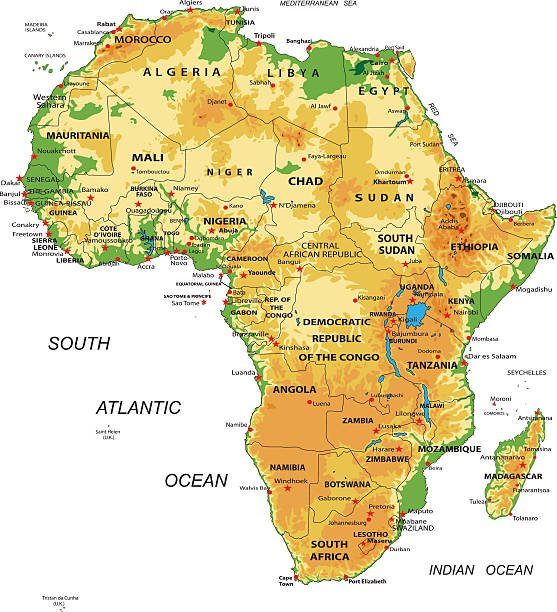
Did Africa trade slaves? The answer is complex and nuanced: yes, various African societies participated in different forms of servitude and engaged in the sale of people for centuries, both internally and to external traders. However, it is crucial to understand that these practices were diverse, evolved over time, and differed significantly from the racialized chattel slavery that became central to the transatlantic slave trade. Africans were simultaneously perpetrators, facilitators, and, overwhelmingly, victims of these historical systems.
Understanding Pre-Colonial Forms of Servitude in Africa
Before the advent of European chattel slavery, many African societies practiced various forms of servitude that were distinct from the later transatlantic system. These were often integrated into the social, economic, and political fabric of kingdoms and communities across the continent. It is important to avoid anachronistically applying modern definitions of slavery to ancient and diverse African practices.
Types of Servitude in Pre-Colonial Africa
While the term 'slavery' is often used broadly, pre-colonial African societies recognized several categories of unfree labor or dependency. These included:
- Debt Bondage: Individuals or families might enter servitude to pay off debts. This was often temporary, and the status could be inherited if the debt wasn't repaid.
- War Captives: People captured during inter-ethnic or inter-state warfare were often incorporated into the victorious society. Their status could range from domestic servants to soldiers, and their descendants might eventually be fully integrated.
- Criminal Punishment: Individuals convicted of certain crimes could be enslaved as a form of punishment or restitution to the community.
- Pledging of Children: In times of famine or hardship, parents might 'pledge' their children to wealthier families for a period, often with the expectation of their return or eventual integration into the new family.
- Hereditary Servitude: Some groups held hereditary status as servants or cultivators, but often with rights to land, marriage, and protection that were denied to those in chattel slavery.
Key distinctions from later European-style chattel slavery included that these forms of servitude were rarely based on race, and those in servitude often had certain rights. They could marry, own property, serve in armies, and their descendants could sometimes achieve full freedom and integration into society. Their status was often a matter of social dependence rather than absolute property ownership, and the goal was typically assimilation rather than permanent, dehumanizing exploitation.
African Participation in the Trans-Saharan and Indian Ocean Slave Trades
Long before the transatlantic trade, parts of Africa were involved in extensive slave trades across the Sahara Desert and into the Indian Ocean. These trades primarily involved the movement of people from sub-Saharan Africa to North Africa, the Middle East, and parts of Asia.
The Trans-Saharan Slave Trade
Beginning as early as the 1st century CE and intensifying with the Arab conquest of North Africa in the 7th century, the trans-Saharan slave trade saw millions of Africans transported across the desert. African rulers and traders played a significant role in capturing and selling individuals to Arab and Berber merchants. These captives were primarily used for domestic labor, concubinage, agricultural work, and military service in North Africa and the Middle East. The scale of this trade was immense, lasting for over a millennium, and had profound impacts on the demography and social structures of West and Central Africa.
The Indian Ocean Slave Trade
Similarly, the Indian Ocean slave trade connected East Africa with the Arabian Peninsula, Persia, India, and even as far as China. African captives, primarily from the East African coast and interior, were transported across the Indian Ocean from ports like Zanzibar and Kilwa. This trade, also active for many centuries, involved a network of African, Arab, and Swahili traders. The enslaved were used in various capacities, including pearl diving, plantation labor, and as domestic servants. Both the trans-Saharan and Indian Ocean trades highlight long-standing patterns of African involvement in the sale of people, driven by local conflicts and external demand.
The Transatlantic Slave Trade: A Cataclysmic Shift
While previous forms of servitude and slave trading existed, the transatlantic slave trade, which began in the 16th century, represented a monumental shift in scale, nature, and brutality. European powers, particularly Portugal, Spain, Britain, France, and the Netherlands, created an unprecedented demand for labor to fuel their burgeoning plantation economies in the Americas. This demand transformed existing African practices and introduced a new, brutal form of racialized chattel slavery.
African Involvement and European Demand
European traders did not typically venture far into the African interior to capture enslaved people themselves. Instead, they relied on existing African networks of trade and warfare. Coastal African states and powerful interior kingdoms, such as the Kingdom of Kongo, Dahomey, Ashanti, and Oyo, became crucial intermediaries. These African polities would:
- Wage War: Capture individuals from rival ethnic groups or weaker communities through warfare.
- Raid Villages: Conduct raids specifically for the purpose of acquiring captives.
- Exchange for Goods: Trade these captives with European merchants at coastal forts and trading posts for manufactured goods like textiles, alcohol, firearms, and cowrie shells.
The introduction of firearms by Europeans dramatically escalated inter-ethnic conflict, turning local skirmishes into larger-scale slave raids, as African rulers sought to acquire more weapons to defend themselves or dominate their neighbors. This created a vicious cycle, intensifying the demand for enslaved people within Africa to fuel the external trade.
The Nature of Transatlantic Slavery
The system of slavery developed in the Americas was distinct from pre-colonial African servitude:
- Racial Basis: It was predicated on the idea of racial inferiority, with Africans deemed inherently suitable for enslavement.
- Chattel Property: Enslaved individuals were considered absolute property (chattel) with no rights, subject to sale, inheritance, and brutal treatment.
- Hereditary Status: The status of enslavement was hereditary, perpetuating generations in bondage.
- Dehumanization: The system was designed to strip individuals of their humanity, culture, and identity to maximize labor exploitation.
The transatlantic slave trade forcibly removed an estimated 10 to 12 million Africans from their homelands, devastating communities, disrupting social structures, and hindering economic development for centuries. While African rulers and traders played a role in facilitating this trade, it was ultimately driven by European colonial expansion and the demand for labor in the New World, leading to an entirely new and exceptionally cruel form of human exploitation.
Internal Slavery and its Transformation
The presence of the transatlantic slave trade also profoundly affected internal slavery within Africa. As the demand for captives increased, so did the incentives for local African societies to acquire and hold enslaved people for their own use, or to sell them into the external markets. This led to:
- Expansion of Domestic Slavery: Societies that previously had limited forms of servitude expanded their practices, often holding larger numbers of people in bondage.
- Increased Warfare and Raiding: The quest for captives for sale fueled inter-state conflicts and internal raiding, destabilizing vast regions.
- Economic Restructuring: Some African economies became heavily reliant on the slave trade, distorting traditional agricultural and manufacturing practices.
By the time the transatlantic trade began to wane, many African societies had developed internal systems of slavery that were often more rigid and exploitative than their pre-colonial predecessors, albeit still differing from the racialized chattel slavery of the Americas. The legacy of these internal systems continued well into the 20th century in some regions.
Abolition and Lasting Legacies
The abolition of the transatlantic slave trade by European powers in the 19th century did not immediately end slavery within Africa. In many parts of the continent, internal systems of servitude persisted and even intensified for a period, as demand shifted or societies adapted. European colonial powers, upon conquering African territories, often found existing systems of slavery and, while sometimes condemning them, rarely moved swiftly or effectively to eradicate them, often tolerating or even benefiting from them for administrative or labor purposes.
The legacy of African involvement in the slave trades is a complex and painful one. It includes:
- Demographic Depletion: Millions of lives lost and entire regions depopulated.
- Economic Stagnation: Development was hampered by constant conflict and the redirection of resources from productive endeavors to slave raiding.
- Social Disruption: Erosion of trust, fragmentation of communities, and entrenched hierarchies.
- Historical Trauma: A deep-seated collective trauma that continues to impact identity and inter-group relations.
Acknowledging Africa's role in the slave trade is not to diminish the culpability of European nations or the unique brutality of racial chattel slavery. Rather, it offers a more complete and accurate historical understanding, recognizing the complex interplay of internal dynamics and external forces that shaped this tragic chapter in human history.
Conclusion
In conclusion, the question of did Africa trade slaves is unequivocally yes, but the historical reality is far from simplistic. African societies engaged in various forms of servitude and participated in the sale of people long before and during the era of European expansion. From the trans-Saharan and Indian Ocean trades to their crucial role as intermediaries in the transatlantic slave trade, Africans were active participants. However, it is vital to differentiate these diverse practices from the brutal, racialized, and hereditary chattel slavery imposed by Europeans in the Americas. Understanding this nuanced history means acknowledging the agency of African actors while simultaneously recognizing the devastating and ultimately destructive impact of external demand on African societies, making them both participants and profound victims in the global history of slavery.
Enjoyed this read?
Share it with your friends and colleagues.