Is Africa Tropical

BSC Insights Admin
October 26, 2026
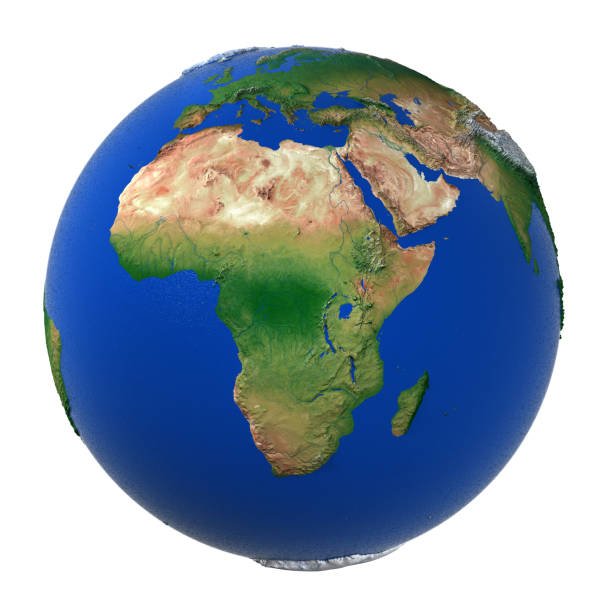
When asking Is Africa Tropical, the answer is largely yes, but with significant nuance. A vast majority of Africa's landmass lies between the Tropic of Cancer and the Tropic of Capricorn, making it predominantly a tropical continent characterized by warm temperatures year-round and distinct wet and dry seasons. However, due to its immense size and varied geography, Africa also encompasses a remarkable spectrum of other climate zones, from scorching deserts to cool highlands and even temperate coastal regions.
Understanding What "Tropical" Means
To fully grasp whether Africa is tropical, it's essential to define what "tropical" entails both geographically and climatically.
Geographical Definition
- Tropics of Cancer and Capricorn: Geographically, the tropics are the region of the Earth surrounding the Equator, bounded by the Tropic of Cancer in the Northern Hemisphere at approximately 23.5° N latitude and the Tropic of Capricorn in the Southern Hemisphere at approximately 23.5° S latitude. This band experiences the sun directly overhead at least once a year.
- Dominance: Over 80% of Africa lies within these tropical boundaries, making it the most tropical of all continents by this measure.
Climatic Characteristics of Tropical Zones
Climatically, tropical regions share several key features:
- High Temperatures: Consistently warm to hot temperatures throughout the year, with minimal seasonal variation.
- High Humidity: Often associated with significant moisture in the air.
- Seasonal Rainfall: While some areas have consistent rainfall (tropical rainforests), most tropical zones experience distinct wet and dry seasons.
- Biologically Rich: These climates often support diverse ecosystems, from dense rainforests to sprawling savannas.
Africa's Predominantly Tropical Nature
The majority of Africa's climate zones are indeed tropical, manifesting in several distinct types across the continent.
Equatorial Climate (Tropical Rainforest)
Located immediately around the Equator, this zone experiences hot, humid conditions with abundant rainfall distributed fairly evenly throughout the year. Areas like the Congo Basin, parts of West Africa (e.g., Ghana, Nigeria), and the eastern coast of Madagascar fall into this category. This is the quintessential tropical climate in Africa, fostering incredible biodiversity.
Tropical Savanna Climate (Wet and Dry)
Flanking the equatorial zone both north and south, the tropical savanna is the most widespread climate pattern in Africa. It features high temperatures year-round but with very distinct wet and dry seasons. The dry season can be prolonged and severe, while the wet season brings intense rainfall. Iconic landscapes like the Serengeti in East Africa and vast areas of Southern Africa (Zambia, Zimbabwe) are characterized by this climate, supporting diverse wildlife and large grassland ecosystems.
Beyond the Tropics: Africa's Climate Diversity
Despite its largely tropical character, Africa's sheer size and geographical features mean it hosts a surprising array of non-tropical and sub-tropical climates.
Desert Climate
Africa is home to the world's largest hot desert, the Sahara, in the north, and significant deserts like the Kalahari and Namib in the south. These regions are characterized by extreme heat during the day, cold nights, and extremely low precipitation. They are some of the driest places on Earth, representing a stark contrast to the humid tropical zones.
Semi-Arid Climate (Steppe)
Bordering the desert regions are semi-arid zones, such as the Sahel region stretching across Africa just south of the Sahara. These areas receive more rainfall than deserts but still significantly less than savannas, supporting sparse grasslands and shrublands. This climate is highly vulnerable to desertification.
Mediterranean Climate
Two distinct areas of Africa exhibit a Mediterranean climate: the northern coast along the Mediterranean Sea (parts of Morocco, Algeria, Tunisia) and the southwestern tip of South Africa (around Cape Town). These regions experience hot, dry summers and mild, wet winters, similar to the climate found in countries like Italy or Greece. This is a significant example of a temperate zone in Africa.
Highland Climate
Mountainous regions across Africa, such as the Ethiopian Highlands, the Atlas Mountains in North Africa, and individual peaks like Mount Kilimanjaro and Mount Kenya, experience cooler temperatures due to high altitude. These highland climates can range from temperate to even alpine, with significant rainfall in some areas, creating unique microclimates that support different vegetation and agricultural practices than surrounding lowland tropical areas.
This wide array of African climate zones demonstrates that while the continent is predominantly tropical, its climate is far from uniform.
Factors Influencing Africa's Climate Patterns
Several geographical and atmospheric factors contribute to the complex and diverse African climate patterns:
- Latitude: As discussed, proximity to the Equator is the primary driver of tropical conditions. The further north or south one travels from the Equator, the more varied the climate becomes.
- Altitude: Higher elevations lead to cooler temperatures. This is why mountains in otherwise hot regions can have snow-capped peaks.
- Ocean Currents: The Benguela Current off the southwestern coast of Africa brings cold water, contributing to the aridity of the Namib Desert and cooler conditions in parts of Southern Africa. Conversely, the warm Agulhas Current off the southeastern coast influences warmer, wetter conditions.
- Proximity to Large Water Bodies: Coastal areas often have more moderate temperatures and higher humidity than inland regions.
- Intertropical Convergence Zone (ITCZ): This crucial meteorological belt, where trade winds from the Northern and Southern Hemispheres converge, moves seasonally, dictating the timing and intensity of rainfall in tropical Africa. Its movement is key to the distinct wet and dry seasons of the savanna.
Understanding these influences is vital for comprehending the full scope of Africa's climate diversity.
Impact of Africa's Varied Climates
The diverse climate zones have profound impacts on various aspects of Africa, from its ecosystems to its human populations and economies.
Biodiversity and Ecosystems
Africa's climate diversity translates into an extraordinary range of ecosystems and biodiversity. From the dense biodiversity of the tropical rainforests (e.g., the Congo Basin, home to gorillas and okapis) to the vast savannas supporting iconic wildlife like lions, elephants, and zebras, and the unique extremophiles of the deserts, each climate zone fosters specialized life forms. The African biodiversity is a direct reflection of its varied climates.
Agriculture and Livelihoods
Climate dictates agricultural practices across the continent. Tropical zones support crops like cocoa, coffee, palm oil, and various root crops. Savannas are ideal for livestock grazing and drought-resistant cereals like millet and sorghum. The Mediterranean regions grow olives, grapes, and citrus fruits. However, variable rainfall and extreme weather events pose significant challenges for food security, particularly in the semi-arid and savanna zones.
Human Settlement and Culture
Human settlements throughout Africa have adapted to their local climate conditions. Housing styles, clothing, and even social customs are often shaped by the prevailing weather. Nomadic pastoralism is common in arid and semi-arid regions, while settled agriculture thrives in more fertile, wetter areas.
Climate Change and Africa
While discussing Is Africa Tropical and its climate variations, it's crucial to acknowledge the profound impact of global climate change. Africa is widely considered one of the continents most vulnerable to climate change impacts, despite contributing the least to global greenhouse gas emissions.
Key Impacts
- Increased Frequency and Intensity of Extreme Weather: This includes more severe droughts in already dry regions, leading to water scarcity and agricultural failure, and more intense floods in coastal and riverine areas.
- Desertification: The expansion of desert conditions into semi-arid lands, particularly in the Sahel, threatening livelihoods and ecosystems.
- Rising Temperatures: While Africa is naturally warm, further temperature increases can exacerbate heat stress and impact crop yields.
- Sea-Level Rise: Threatening low-lying coastal cities and infrastructure.
These challenges highlight the importance of understanding African climate zones and developing robust adaptation and mitigation strategies to protect the continent's people and natural resources.
Conclusion
In conclusion, the question of Is Africa Tropical is best answered with a comprehensive understanding of its geography and climatology. While the vast majority of Africa's landmass falls within the geographical tropics and exhibits predominantly tropical climates – such as the equatorial rainforests and widespread savannas – the continent's immense size, diverse topography, and varied oceanic influences create a rich tapestry of other distinct climate zones. From the hyper-arid deserts of the Sahara and Kalahari to the temperate Mediterranean coasts and cool highland regions, Africa truly is a continent of unparalleled environmental contrasts. This remarkable African climate diversity supports an incredible array of ecosystems, influences human lifestyles, and presents unique challenges and opportunities for its inhabitants.
Enjoyed this read?
Share it with your friends and colleagues.